Understanding Surface Safety Valves: Essential Components for Industrial Safety
Sep 11,2025
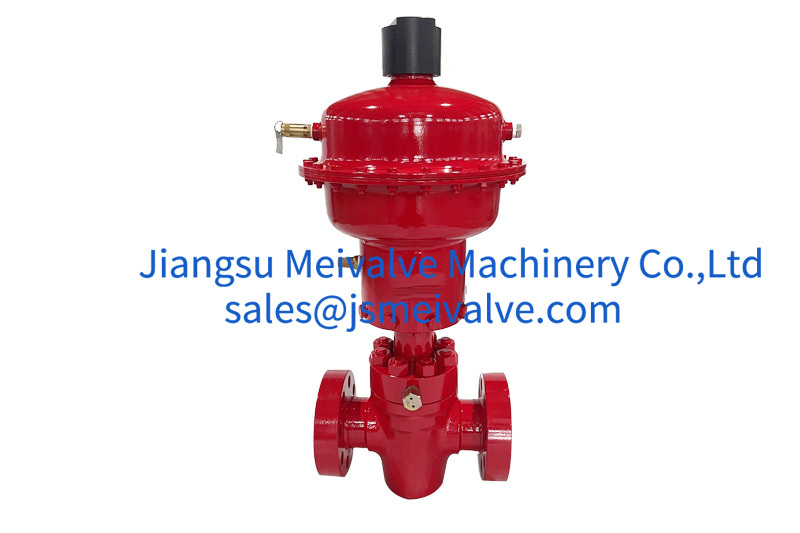
Surface Safety Valves (SSVs) are critical components in industrial systems, particularly in oil and gas operations, where they play a vital role in safeguarding equipment and personnel from hazardous conditions. These valves are specifically designed to prevent overpressure scenarios by automatically releasing excess pressure from a system. Understanding the function and importance of surface safety valves can help in ensuring safety and compliance in industrial operations.
The primary function of a Surface Safety Valve is to protect the integrity of system components by opening at a predetermined pressure level. When the pressure within a system exceeds this threshold, the SSV activates, allowing fluid or gas to escape. This mechanism helps to prevent catastrophic failures such as explosions or equipment damage, which can arise from excessive pressure build-up.
One of the key aspects of Surface Safety Valves is their rapid response capability. SSVs are designed to operate quickly, ensuring that excess pressure is alleviated promptly. This is crucial in high-stakes environments where every second counts. Additionally, these valves are typically equipped with a manual reset feature, allowing operators to close the valve once the situation is stabilized.
Maintenance and regular inspection of Surface Safety Valves are essential to ensure their reliability and functionality. Over time, these valves may experience wear and tear, which can affect their performance. Routine checks can help detect potential issues, ensuring that the valve is in optimal working condition. Employing best practices for maintenance can greatly reduce the risk of failure.
Furthermore, understanding the different types of Surface Safety Valves available is beneficial for selecting the right valve for specific applications. There are various designs, including spring-loaded and pilot-operated valves, each with unique characteristics suited for particular operational requirements. The choice of valve can depend on factors such as the system's pressure range, fluid type, and the specific safety standards that must be adhered to.
In addition to their mechanical functions, Surface Safety Valves are subject to stringent regulations and standards to ensure their reliability and safety. Compliance with industry standards not only enhances operational safety but also contributes to the overall efficiency and effectiveness of industrial processes.
In summary, Surface Safety Valves are indispensable in maintaining safety in industrial operations. Their ability to manage pressure and prevent accidents makes them vital components in various systems. Understanding their operation, maintenance, and the standards governing them can greatly contribute to a safer working environment, ensuring that both personnel and equipment are protected from potential hazards.
Hot Tags:


Contact Us
E-mail:
sales@jsmeivalve.com
Phone:
+86-15900826755
Address:
No. 888 Jiatong Road, Jianhu County Economic Development Zone, Yancheng City, Jiangsu Province



中企跨境-全域组件
制作前进入CSS配置样式
WhatsApp:
邮箱:
电话:
屏蔽页面上图片的alt/title提示
图片alt标题设置: MeiValve Machinery
CSS / JS 文件放置地