Understanding Surface Safety Valves: Essential Components for Industrial Safety
Sep 15,2025
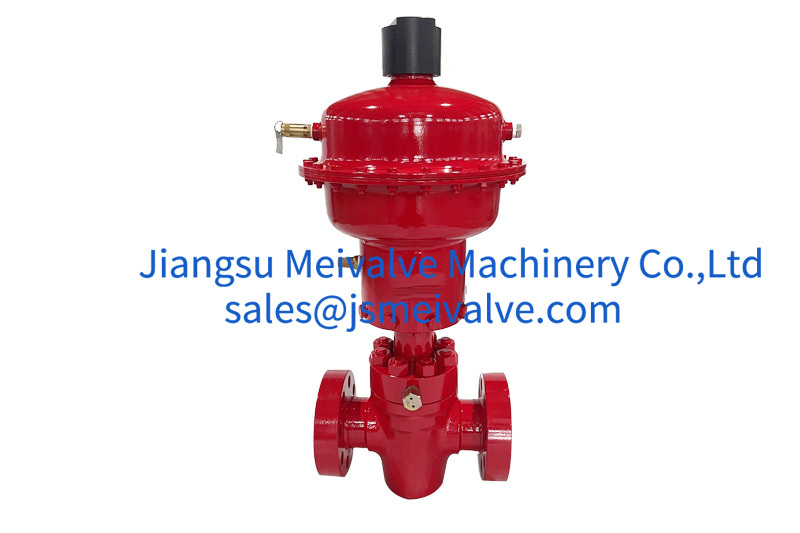
Surface Safety Valves (SSVs) are vital components used in various industrial applications, particularly in oil and gas production, where they play a critical role in maintaining safety and operational integrity. These valves are designed to automatically relieve pressure from a system when it exceeds a predetermined limit, thereby preventing equipment failure or catastrophic events resulting from overpressure. Their primary function is to protect personnel, equipment, and the environment, making them an indispensable part of safety protocols in hazardous industries.
The operation of a Surface Safety Valve is relatively straightforward. When the internal pressure of a system exceeds the valve's set pressure, the valve opens to allow the excess pressure to escape. This process not only prevents potential damage to the equipment but also enhances safety by minimizing the risk of explosions or spills. SSVs are typically installed on the surface of production wells and are often found in various processes, including drilling, refining, and chemical processing.
There are several types of Surface Safety Valves, each designed to cater to specific operational needs. The most common types include spring-loaded safety valves and pilot-operated safety valves. Spring-loaded safety valves utilize a spring mechanism to maintain closure until the set pressure is reached, while pilot-operated safety valves use a small pilot valve to control the larger main valve, allowing for more precise pressure management. Understanding the differences and applications of these types is crucial for professionals in the field to make informed decisions about system safety.
In addition to their primary function of pressure relief, Surface Safety Valves must comply with industry regulations and standards. Regular maintenance and testing of these valves are imperative to ensure their reliability and effectiveness. Scheduled inspections help identify any wear or malfunction, allowing for timely repairs or replacements. This proactive approach not only complies with safety regulations but also enhances overall system efficiency, reducing downtime and potential costs associated with equipment failure.
Moreover, the selection of the right Surface Safety Valve is influenced by several factors, including fluid characteristics, temperature, and pressure conditions. Professionals in the field must consider these variables to ensure the chosen valve meets the specific requirements of their application. Collaborating with experienced engineers or valve specialists can provide valuable insights into optimal valve selection and installation practices.
In conclusion, Surface Safety Valves are essential components in safeguarding industrial operations against the risks associated with overpressure. By understanding their functionality, types, and maintenance needs, professionals can enhance both safety and efficiency in their applications. The importance of these valves cannot be overstated, as they are critical not only for regulatory compliance but also for the protection of personnel and the environment in high-risk industries.
Hot Tags:


Contact Us
E-mail:
sales@jsmeivalve.com
Phone:
+86-15900826755
Address:
No. 888 Jiatong Road, Jianhu County Economic Development Zone, Yancheng City, Jiangsu Province



中企跨境-全域组件
制作前进入CSS配置样式
WhatsApp:
邮箱:
电话:
屏蔽页面上图片的alt/title提示
图片alt标题设置: MeiValve Machinery
CSS / JS 文件放置地