Surface Safety Valves: A Critical Element in Effective Risk Management Strategies
Sep 20,2025
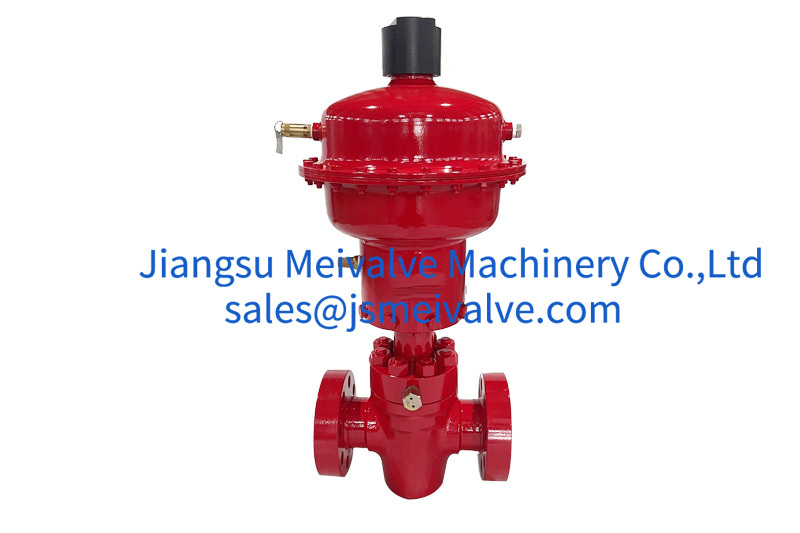
Surface Safety Valves: A Critical Element in Effective Risk Management Strategies
Table of Contents
- 1. Introduction to Surface Safety Valves
- 2. Understanding Surface Safety Valves
- 3. The Importance of Surface Safety Valves in Risk Management
- 4. Mechanism of Action for Surface Safety Valves
- 5. Applications of Surface Safety Valves Across Industries
- 6. Regulatory Compliance and Standards
- 7. Maintenance Best Practices for Surface Safety Valves
- 8. Future Trends in Surface Safety Valve Technology
- 9. Frequently Asked Questions (FAQs)
- 10. Conclusion
1. Introduction to Surface Safety Valves
Surface safety valves (SSVs) are essential devices in the industrial sector designed to protect equipment and personnel from hazardous overpressure conditions. Their primary function is to automatically release excess pressure from vessels, pipelines, and other equipment, thus preventing catastrophic failures that could lead to accidents or environmental hazards. Understanding the critical role that SSVs play in risk management strategies is crucial for industries that rely on high-pressure systems, such as oil and gas, chemical processing, and manufacturing.
2. Understanding Surface Safety Valves
Surface safety valves are specialized pressure relief devices that operate in response to predetermined pressure limits. When the pressure within a system exceeds its safe threshold, the valve opens to vent excess pressure, ensuring the system operates within safe parameters. SSVs are engineered to function reliably under extreme conditions, making them indispensable in preventing equipment damage, personal injury, and environmental catastrophes.
These valves come in various designs, including spring-loaded, pilot-operated, and electrical actuated types, each suited for specific applications and operational environments. The choice of valve depends on factors such as the nature of the fluid, pressure levels, temperature, and the intended application.
3. The Importance of Surface Safety Valves in Risk Management
Surface safety valves play a vital role in risk management strategies within industrial environments. By preventing overpressure scenarios, these valves help mitigate risks associated with explosions, equipment failure, and hazardous material release. The significance of SSVs extends beyond mere compliance with regulations; they embody a proactive approach to safety that prioritizes the well-being of personnel and the integrity of the environment.
Incorporating SSVs into a broader risk management framework enables organizations to:
- **Enhance Safety:** Reduce the likelihood of accidents that can result in injuries or fatalities.
- **Protect Assets:** Safeguard valuable equipment and infrastructure from damage due to overpressure.
- **Ensure Compliance:** Adhere to industry regulations and standards, reducing the risk of legal repercussions and fines.
- **Promote Operational Continuity:** Minimize downtime caused by accidents or equipment failures, ensuring consistent production and service delivery.
4. Mechanism of Action for Surface Safety Valves
The functioning of surface safety valves is based on a straightforward yet effective mechanism. Here’s a breakdown of how they operate:
4.1 Initial Conditions
Under normal operating conditions, the SSV remains closed, allowing the system to maintain its operating pressure. The valve's spring mechanism holds it tightly sealed, preventing fluid from escaping.
4.2 Pressure Increase
As pressure builds up within the system due to various factors such as thermal expansion, blockage, or equipment malfunction, the pressure reaches the set point of the valve.
4.3 Valve Activation
When the internal pressure exceeds the preset threshold, the spring becomes compressed, and the valve opens. This action allows the excess pressure to escape, reducing the risk of an overpressure event.
4.4 Pressure Stabilization
Once the pressure drops back to a safe level, the valve automatically closes, returning to its initial state. This cycle repeats as necessary, ensuring continuous monitoring and protection of the system.
5. Applications of Surface Safety Valves Across Industries
Surface safety valves find applications in various sectors, each utilizing these critical devices to enhance safety and risk management. Key industries include:
5.1 Oil and Gas
In the oil and gas sector, SSVs protect drilling rigs, production platforms, and processing facilities from overpressure scenarios. They are instrumental in maintaining safe operating conditions in pipelines and storage tanks.
5.2 Chemical Processing
Chemical plants rely on SSVs to prevent dangerous over-pressurization of reactors, storage tanks, and transport systems. This ensures the safe handling of volatile chemicals and minimizes the risk of explosions.
5.3 Manufacturing
In manufacturing facilities, particularly those utilizing steam and gas systems, surface safety valves are essential for maintaining equipment integrity and ensuring worker safety.
5.4 Water and Wastewater Treatment
Water treatment facilities utilize SSVs to manage pressure in treatment and distribution systems, ensuring safe operation and compliance with environmental standards.
6. Regulatory Compliance and Standards
Adhering to regulatory standards is a critical aspect of implementing surface safety valves. Organizations must comply with guidelines set forth by regulatory bodies such as the American Society of Mechanical Engineers (ASME), the American National Standards Institute (ANSI), and local environmental agencies.
Proper documentation and testing of SSVs are crucial for compliance. Regular inspections and maintenance ensure that valves function correctly and meet the required safety standards. By proactively maintaining SSVs, organizations not only comply with regulations but also foster a culture of safety and accountability.
7. Maintenance Best Practices for Surface Safety Valves
Regular maintenance of surface safety valves is essential to ensure their reliability and functionality. Here are some best practices for maintaining SSVs:
7.1 Routine Inspections
Conducting routine inspections helps identify wear and tear or potential issues before they become critical. Inspection schedules should be based on industry standards, manufacturer recommendations, and operational conditions.
7.2 Functional Testing
Performing functional tests regularly verifies that the SSV operates correctly. This involves simulating overpressure conditions to confirm that the valve opens and closes as intended.
7.3 Cleaning and Lubrication
Keeping SSVs clean and properly lubricated ensures smooth operation. Contaminants can hinder performance, leading to failures in critical situations.
7.4 Documentation and Record-Keeping
Maintaining detailed records of inspections, tests, and maintenance activities provides a historical reference that can be invaluable for compliance and troubleshooting.
8. Future Trends in Surface Safety Valve Technology
The landscape of surface safety valves is evolving, driven by advancements in technology and a growing emphasis on safety and efficiency. Key trends shaping the future of SSVs include:
8.1 Smart Technology Integration
The integration of smart technology into SSVs enhances monitoring and control capabilities. Sensors and IoT devices can provide real-time data on valve performance, enabling predictive maintenance and reducing downtime.
8.2 Enhanced Materials
Advances in materials science are leading to the development of more robust and corrosion-resistant SSVs. These materials improve longevity and performance, particularly in challenging environments.
8.3 Automation and Remote Operation
The push for automation in industrial processes is extending to surface safety valves. Remote operation capabilities allow for more efficient monitoring and control, reducing the reliance on manual checks.
9. Frequently Asked Questions (FAQs)
9.1 What are surface safety valves used for?
Surface safety valves are primarily used to prevent overpressure situations in various industrial applications, protecting equipment and personnel from potential hazards.
9.2 How do I choose the right surface safety valve?
Selecting the right surface safety valve depends on factors such as fluid type, pressure range, temperature, and the specific application. Consult with a qualified engineer for guidance.
9.3 How often should surface safety valves be inspected?
Regular inspections should be conducted based on industry standards, typically every 6 to 12 months, depending on the application and regulatory requirements.
9.4 Can surface safety valves be repaired?
Yes, surface safety valves can often be repaired or refurbished by qualified professionals, but replacement may be necessary if they are severely damaged or outdated.
9.5 What regulations govern the use of surface safety valves?
Surface safety valves are subject to regulations set by organizations such as ASME and ANSI, as well as local environmental and safety agencies, which dictate installation, maintenance, and testing standards.
10. Conclusion
Surface safety valves are a critical component of risk management strategies across various industries, ensuring safe operations and protecting assets from the dangers of overpressure. By understanding their mechanisms, applications, and maintenance best practices, organizations can enhance their safety protocols and foster a culture of compliance and risk awareness. With advancements in technology steering the future of SSVs, staying informed and proactive will be key to ensuring a safe and efficient industrial environment.
Hot Tags:


Contact Us
E-mail:
sales@jsmeivalve.com
Phone:
+86-15900826755
Address:
No. 888 Jiatong Road, Jianhu County Economic Development Zone, Yancheng City, Jiangsu Province



中企跨境-全域组件
制作前进入CSS配置样式
WhatsApp:
邮箱:
电话:
屏蔽页面上图片的alt/title提示
图片alt标题设置: MeiValve Machinery
CSS / JS 文件放置地