Understanding Surface Safety Valves: Essential Components for Industrial Safety
Sep 25,2025
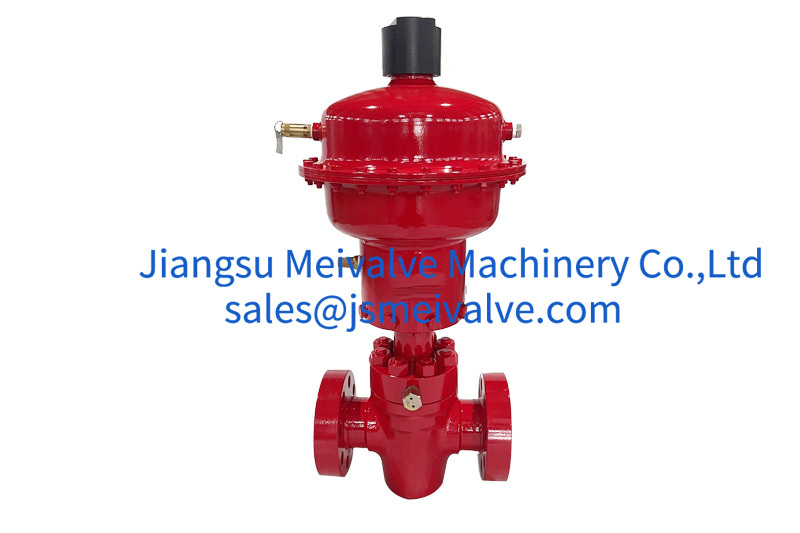
Surface Safety Valves (SSVs) are critical safety components used in various industrial applications, particularly in the oil and gas sector. Their primary purpose is to protect equipment and personnel from overpressure situations. These valves are designed to automatically release pressure when it exceeds a predetermined limit, thereby preventing potential hazards such as explosions or equipment failure.
The operation of a Surface Safety Valve is straightforward yet vital. When the pressure within a system rises above the set point, the valve opens, allowing excess pressure to escape. This action helps maintain the system's integrity and safety. Once the pressure drops back to a safe level, the valve closes automatically, ensuring that the system can resume normal operations without manual intervention.
Surface Safety Valves are typically installed in various locations, including wellheads, pipelines, and processing facilities. Their applications extend beyond oil and gas; they are also found in chemical plants, water treatment facilities, and any environment where pressurized systems are in use. Given their importance, understanding the specifications and optimal performance of SSVs is vital for industry professionals tasked with maintaining safety standards.
Selecting the right Surface Safety Valve involves considering several factors, including the type of fluid handled, the anticipated pressure ranges, and the environmental conditions. Proper sizing and selection ensure that the valve functions correctly when needed, providing reliable protection against pressure surges.
Maintenance of Surface Safety Valves is equally critical. Regular inspections and testing are necessary to ensure their functionality. Industry standards often require routine checks to verify that SSVs are in good working order, as any malfunction can lead to severe consequences. Operators should follow manufacturer guidelines and industry best practices for maintenance, which may include cleaning, part replacement, and performance testing.
In conclusion, Surface Safety Valves are indispensable for maintaining safety in industrial environments. Their ability to automatically relieve pressure protects both equipment and personnel, making them a vital component of any safety management system. By understanding their function, applications, and maintenance requirements, industry professionals can better ensure the reliability and safety of their operations. Regular attention to these components not only enhances safety but also contributes to the overall efficiency of industrial processes.
Hot Tags:


Contact Us
E-mail:
sales@jsmeivalve.com
Phone:
+86-15900826755
Address:
No. 888 Jiatong Road, Jianhu County Economic Development Zone, Yancheng City, Jiangsu Province



中企跨境-全域组件
制作前进入CSS配置样式
WhatsApp:
邮箱:
电话:
屏蔽页面上图片的alt/title提示
图片alt标题设置: MeiValve Machinery
CSS / JS 文件放置地