How to Effectively Educate Your Team on Surface Safety Valve Functionality
Sep 30,2025
How to Effectively Educate Your Team on Surface Safety Valve Functionality
Table of Contents
- Introduction to Surface Safety Valves
- The Importance of Educating Your Team on Surface Safety Valves
- Understanding the Components of Surface Safety Valves
- Common Applications of Surface Safety Valves in Industry
- Effective Training Methodologies for Surface Safety Valve Education
- Developing Effective Training Materials
- Hands-On Training and Simulation Techniques
- Measuring the Effectiveness of Training Programs
- Conclusion
- Frequently Asked Questions
Introduction to Surface Safety Valves
Surface safety valves play a critical role in maintaining safety and operational efficiency in various industrial settings. These valves are designed to protect equipment and personnel from excess pressure, ensuring systems operate within safe limits. Understanding their functionality is essential for anyone involved in industries like oil and gas, chemical processing, and manufacturing.
Educating your team about surface safety valve functionality not only promotes a safer work environment but also enhances productivity and compliance with industry regulations. This article aims to provide a comprehensive framework for effective education on this crucial topic.
The Importance of Educating Your Team on Surface Safety Valves
Educating your team about surface safety valves is paramount for several reasons:
Enhancing Safety Protocols
Knowledge of how safety valves function allows employees to respond quickly and appropriately to potential emergencies. Proper training can reduce the risk of accidents and injuries, creating a safer workplace.
Boosting Operational Efficiency
When team members understand how to operate and maintain safety valves effectively, they can help optimize processes. This understanding leads to fewer operational disruptions, ensuring that production timelines are met.
Regulatory Compliance
Many industries are governed by strict regulations regarding equipment safety. Educating your team about surface safety valves ensures compliance with these regulations, helping to avoid costly fines and legal issues.
Understanding the Components of Surface Safety Valves
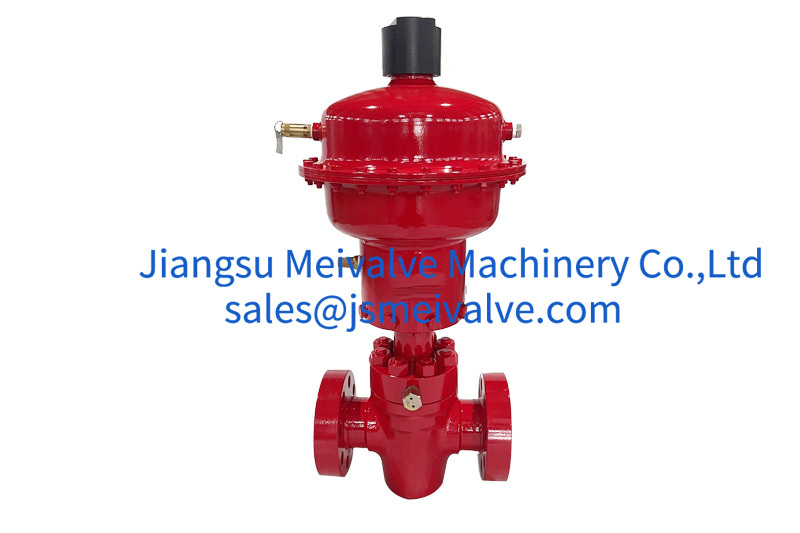
To effectively educate your team, a thorough understanding of the components that make up surface safety valves is crucial. The primary components include:
1. Valve Body
The valve body houses all internal components and is where the primary action takes place. It is essential that your team understands its design and material features to ensure effective operation.
2. Spring Mechanism
The spring mechanism is responsible for holding the valve closed until the pressure reaches a predetermined level. Teach your team about the significance of spring tension and its impact on valve performance.
3. Seat and Disc
The seat and disc are vital for creating a tight seal. Understanding wear and tear on these components is crucial for maintenance training.
4. Actuator
The actuator’s role is to open the valve when pressure levels exceed safe limits. Your team should be trained to identify actuator functionality and testing methods.
5. Connection Ports
Connection ports facilitate the flow of fluids or gases. Educating your team about proper connections can prevent leaks and ensure optimal valve performance.
Common Applications of Surface Safety Valves in Industry
Surface safety valves are utilized in various applications across multiple industries:
1. Oil and Gas Industry
In this sector, safety valves are crucial for protecting drilling rigs and processing facilities from excessive pressure.
2. Chemical Processing
Surface safety valves are vital in chemical plants to prevent leaks and explosions caused by overpressure.
3. Power Generation
In power plants, safety valves help manage steam pressure, ensuring safe operations.
4. Manufacturing
Many manufacturing processes rely on safety valves to regulate pressures in hydraulic and pneumatic systems.
Effective Training Methodologies for Surface Safety Valve Education
Once the importance and components have been established, it’s time to delve into effective training methodologies.
1. Classroom Training
Classroom training provides a structured environment for teaching the theoretical aspects of surface safety valves. Use visual aids such as diagrams and videos to enhance understanding.
2. E-Learning Modules
Develop e-learning courses that allow employees to learn at their pace. Online quizzes can help reinforce knowledge and assess understanding.
3. Workshops and Seminars
Organize workshops where experts can share their knowledge and experiences. This direct interaction can motivate employees and foster a culture of continuous learning.
Developing Effective Training Materials
Creating well-structured training materials is key to effective education. Consider the following:
1. Comprehensive Manuals
Develop detailed manuals that cover all aspects of surface safety valves, including their function, maintenance, and troubleshooting.
2. Visual Aids
Incorporate diagrams, charts, and videos to illustrate complex concepts. Visual aids can significantly enhance understanding and retention.
3. Real-Life Case Studies
Utilize case studies to provide context and real-world examples of surface safety valve failures and successes. This can help employees appreciate the importance of their training.
Hands-On Training and Simulation Techniques
Practical experience is essential for reinforcing theoretical knowledge. Incorporate the following hands-on training techniques:
1. Simulated Environments
Use simulators to replicate real-world scenarios. This safe environment allows team members to practice their skills without risk.
2. On-the-Job Training
Pair less experienced employees with seasoned workers for on-the-job training. This mentorship can boost confidence and enhance learning.
3. Regular Drills
Conduct regular drills to prepare your team for emergencies. Practice makes perfect, and simulations can help identify areas for improvement.
Measuring the Effectiveness of Training Programs
To ensure that your educational efforts are successful, it’s essential to measure their effectiveness:
1. Pre-and Post-Training Assessments
Administer assessments before and after training sessions to evaluate knowledge gains. This will help you identify areas that need further attention.
2. Feedback Surveys
Gather feedback from participants about the training content, delivery, and overall experience. This information can help refine future training programs.
3. Performance Metrics
Monitor key performance indicators (KPIs) related to safety and operational efficiency. Improvements in these areas can directly correlate with effective training.
Conclusion
Educating your team on surface safety valve functionality is not just beneficial; it is essential for maintaining safety and optimizing operations in industrial environments. By employing a variety of training methodologies, developing effective materials, and ensuring hands-on experience, you can empower your team to understand and operate safety valves proficiently. This investment in education will pay dividends in the form of enhanced safety, efficiency, and regulatory compliance.
Frequently Asked Questions
1. What are surface safety valves primarily used for?
Surface safety valves are designed to protect systems from excess pressure, preventing potential hazards such as explosions or equipment damage.
2. How often should surface safety valves be tested?
Testing frequency can vary based on regulations and specific operational requirements, but it is generally recommended to test safety valves at least once a year.
3. What training methods are most effective for educating teams on safety valves?
A combination of classroom training, e-learning, hands-on simulations, and real-life case studies tends to be the most effective approach.
4. How can we measure the effectiveness of our training programs?
Use pre-and post-training assessments, feedback surveys, and performance metrics to gauge the effectiveness of your training initiatives.
5. What are the common failures associated with surface safety valves?
Common failures can include leaks, valve sticking, and improper installation. Regular maintenance and training can help mitigate these issues.
By following the strategies outlined in this article, you can ensure your team is well-equipped to manage surface safety valves effectively, contributing to a safer and more productive work environment.
Hot Tags:


Contact Us
E-mail:
sales@jsmeivalve.com
Phone:
+86-15900826755
Address:
No. 888 Jiatong Road, Jianhu County Economic Development Zone, Yancheng City, Jiangsu Province



中企跨境-全域组件
制作前进入CSS配置样式
WhatsApp:
邮箱:
电话:
屏蔽页面上图片的alt/title提示
图片alt标题设置: MeiValve Machinery
CSS / JS 文件放置地