Understanding Surface Safety Valves: Essential Components for Industrial Safety
Oct 05,2025
---
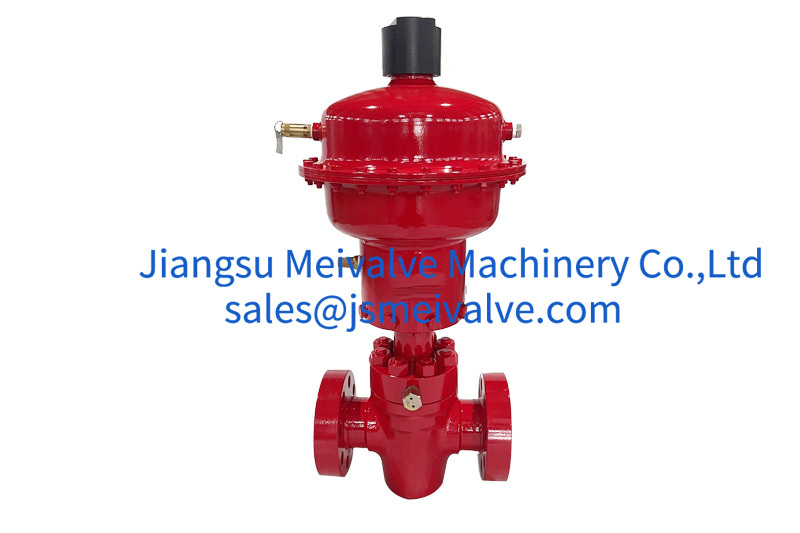
Surface Safety Valves (SSVs) are vital components in various industrial applications, particularly in the oil and gas sector, where they ensure the safety and integrity of pressurized systems. These valves are designed to automatically release excess pressure from a system, protecting equipment and personnel from potentially hazardous situations. In this article, we'll delve into the functionality, types, and maintenance practices associated with Surface Safety Valves, providing valuable insights for professionals in the field.
**Functionality of Surface Safety Valves**
The primary function of a Surface Safety Valve is to prevent overpressure conditions in pressurized systems. When the pressure within a system exceeds a predetermined limit, the SSV opens to release excess fluid or gas, thereby preventing catastrophic failures such as explosions or equipment damage. This automatic response is crucial in maintaining operational safety, as it minimizes risks associated with pressure buildup.
**Types of Surface Safety Valves**
There are several types of Surface Safety Valves, each designed for specific applications and operating conditions. The most common types include:
1. **Conventional Safety Valves**: These are the simplest and most widely used type. They open when the set pressure is exceeded and close when normal conditions are restored.
2. **Balanced Safety Valves**: These valves are designed to minimize the effect of back pressure on the valve performance, making them suitable for applications with varying upstream pressures.
3. **Pilot-Operated Safety Valves**: These valves use a pilot to control the main valve, allowing for more precise control and the ability to handle higher pressures.
Choosing the right type of valve is essential to ensure optimal performance and safety in any given application.
**Maintenance Practices for Surface Safety Valves**
Regular maintenance of Surface Safety Valves is crucial to ensure their reliability and effectiveness. Here are some best practices:
- **Routine Inspections**: Schedule regular inspections to check for signs of wear, corrosion, or damage. This helps in identifying potential issues before they escalate.
- **Testing**: Conduct pressure relief testing at specified intervals to ensure the valve operates correctly under various conditions. Testing should be in line with industry standards and manufacturer recommendations.
- **Cleaning and Lubrication**: Keep the valve components clean and properly lubricated to prevent sticking or malfunction. This is especially important in harsh environments where debris can accumulate.
- **Documentation**: Maintain accurate records of inspections, maintenance activities, and testing results. This not only helps in compliance with safety regulations but also aids in tracking the valve's performance over time.
In conclusion, Surface Safety Valves are indispensable in safeguarding industrial operations. Understanding their functionality, selecting the appropriate types, and implementing rigorous maintenance practices can significantly enhance safety and operational efficiency. By prioritizing the care of these valves, professionals can mitigate risks and ensure a safe working environment.
Hot Tags:


Contact Us
E-mail:
sales@jsmeivalve.com
Phone:
+86-15900826755
Address:
No. 888 Jiatong Road, Jianhu County Economic Development Zone, Yancheng City, Jiangsu Province



中企跨境-全域组件
制作前进入CSS配置样式
WhatsApp:
邮箱:
电话:
屏蔽页面上图片的alt/title提示
图片alt标题设置: MeiValve Machinery
CSS / JS 文件放置地