Understanding Surface Safety Valves: Essential Components for Industrial Safety
Oct 15,2025
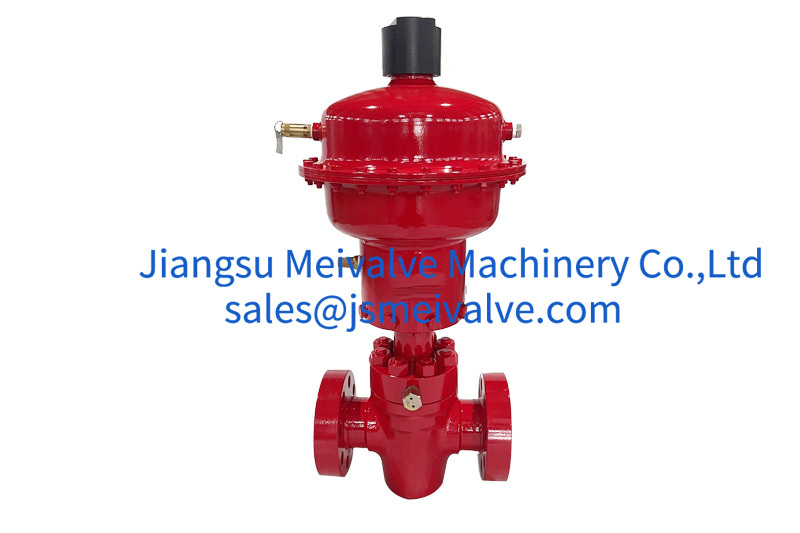
In the realm of industrial equipment and components, surface safety valves (SSVs) play a pivotal role in maintaining operational safety and system integrity. These valves are designed to automatically release pressure from a system when it exceeds a predetermined limit, thereby preventing catastrophic failures and ensuring the safety of both personnel and equipment.
Surface safety valves are typically installed on oil and gas production equipment, as well as in various other industrial applications where pressurized systems are prevalent. Their primary function is to provide a fail-safe mechanism that activates in response to overpressure conditions. SSVs are engineered to handle high-pressure environments and are often made from durable materials that can withstand harsh operating conditions.
The operation of a surface safety valve is primarily based on the principle of pressure differentials. When the pressure within a system rises above the set point, the valve's mechanism triggers, allowing excess pressure to be vented safely. This release helps to stabilize pressure levels, preventing potential equipment failures or explosions that could arise from excessive pressure buildup.
In addition to their safety functions, surface safety valves are also subject to strict regulatory standards. Compliance with industry codes ensures that these valves operate reliably and effectively. Regular maintenance, testing, and inspection are critical to ensure that SSVs are functioning as intended. Failure to maintain these valves can lead to serious safety risks, including equipment damage, environmental harm, and loss of life.
One crucial aspect to consider when integrating surface safety valves into an industrial system is their sizing and selection. Properly sizing an SSV is essential to ensure that it can handle the maximum expected flow rates during a pressure relief event. Various factors, such as the type of fluid being handled, the operating pressure, and the environmental conditions, must be taken into account during the selection process.
Moreover, advancements in technology have led to the development of more sophisticated SSV designs, including those that incorporate electronic monitoring systems. These innovations allow for real-time monitoring of valve performance and system pressure levels, further enhancing safety protocols in industrial operations.
In conclusion, surface safety valves are indispensable components in the industrial landscape, providing critical protection against overpressure scenarios. Their ability to quickly and effectively manage excess pressure not only safeguards equipment but also ensures the safety of personnel working in potentially hazardous environments. By understanding the importance of SSVs and adhering to best practices in their selection, installation, and maintenance, industries can significantly mitigate risks and enhance operational safety.
Hot Tags:


Contact Us
E-mail:
sales@jsmeivalve.com
Phone:
+86-15900826755
Address:
No. 888 Jiatong Road, Jianhu County Economic Development Zone, Yancheng City, Jiangsu Province



中企跨境-全域组件
制作前进入CSS配置样式
WhatsApp:
邮箱:
电话:
屏蔽页面上图片的alt/title提示
图片alt标题设置: MeiValve Machinery
CSS / JS 文件放置地