Why Regular Testing of Surface Safety Valves is Crucial for Industrial Safety
Oct 20,2025
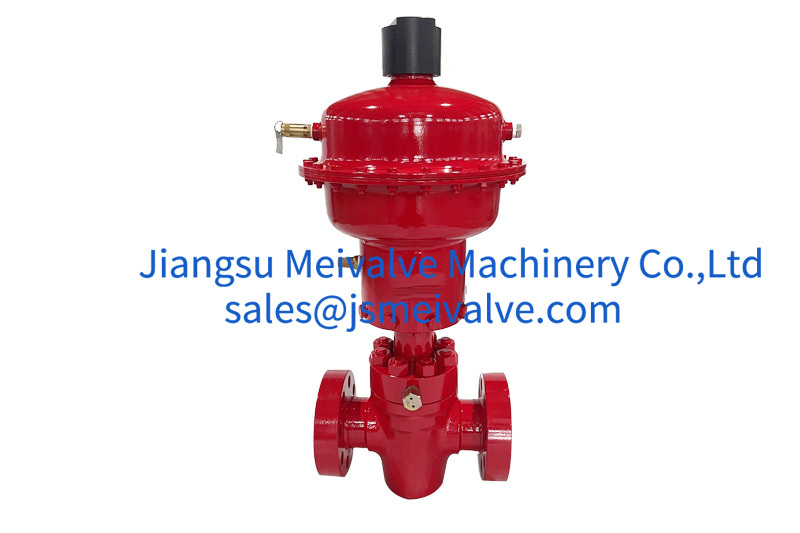
Why Regular Testing of Surface Safety Valves is Crucial for Industrial Safety
In the industrial sector, safety is paramount. Among the various components that contribute to a safe operational environment, **surface safety valves (SSVs)** play a pivotal role. These valves are essential for preventing overpressure situations and protecting equipment and personnel from potential hazards. However, the effectiveness of these valves hinges on regular testing and maintenance. This article will explore the reasons why consistent testing of surface safety valves is not just recommended but critical in industrial applications.
Understanding Surface Safety Valves
What Are Surface Safety Valves?
**Surface safety valves** are critical devices used in various industrial applications, including oil and gas, chemical processing, and power generation. Their primary function is to automatically release excess pressure when it surpasses a predetermined threshold, thereby preventing catastrophic failures such as explosions or equipment damage.
The Role of Surface Safety Valves in Industry
Surface safety valves serve multiple roles in the industrial ecosystem:
- **Pressure Regulation**: They help maintain system pressure within safe limits.
- **Emergency Protection**: In emergencies, they act swiftly to avert disasters.
- **Compliance**: Regular testing ensures adherence to safety regulations and industry standards.
The Importance of Regular Testing
Why Testing is Essential
1. **Safety Assurance**: The foremost reason for regular testing is safety. Defective valves can lead to severe incidents, including fires or explosions. Regular testing helps identify malfunctions before they escalate into dangerous situations.
2. **Operational Efficiency**: Properly functioning valves contribute to overall system efficiency. Regular testing ensures that valves are not only operational but also performing optimally, which can reduce downtime and improve productivity.
3. **Regulatory Compliance**: Many industries are governed by strict safety regulations that mandate regular testing of safety devices. Failing to comply can result in hefty fines and legal repercussions.
Consequences of Neglecting Regular Testing
Neglecting the testing of surface safety valves can have dire consequences. Here are some potential risks:
- **Increased Risk of Accidents**: A malfunctioning valve can fail to release excessive pressure, leading to catastrophic failures.
- **Financial Loss**: Equipment failure can result in costly repairs and lengthy downtime, affecting overall productivity.
- **Legal Ramifications**: Non-compliance with safety regulations can lead to fines, lawsuits, and damage to an organization's reputation.
Best Practices for Testing Surface Safety Valves
Developing a Testing Schedule
Establishing a **comprehensive testing schedule** is crucial. Factors to consider include:
- **Manufacturer Guidelines**: Always adhere to the manufacturer's recommendations for testing frequency.
- **Operational Conditions**: Evaluate the environment in which the valves operate. Harsh conditions may necessitate more frequent testing.
Testing Methods for Surface Safety Valves
1. **Functionality Testing**: This involves checking the valve's ability to open and close under pressure. It is critical to simulate actual operating conditions during testing.
2. **Leak Testing**: Inspect for leaks around the valve body and connections. Even minor leaks can compromise safety.
3. **Set Pressure Verification**: Ensure that the valve opens at the specified set pressure. This test is crucial for ensuring optimal performance.
Documentation and Record Keeping
Maintaining thorough records of all testing activities is essential. Documentation should include:
- Test dates
- Results
- Any maintenance performed
- Recommendations for future testing
Common Challenges in Testing Surface Safety Valves
Identifying Issues During Testing
One challenge encountered during testing is identifying subtle issues that may not be immediately apparent. Employing advanced diagnostic tools can aid in detecting problems that may require further investigation or maintenance.
Training Personnel for Effective Testing
Proper training of personnel responsible for testing is vital. Staff should be knowledgeable about the specific procedures and safety protocols associated with surface safety valves to ensure thorough testing.
Innovations in Surface Safety Valve Technology
Advancements in Valve Design
Recent innovations in valve technology have led to the development of smarter, more reliable surface safety valves. These modern designs often include features such as:
- **Remote Monitoring Systems**: Allow for real-time assessment of valve performance.
- **Self-Diagnostics**: Help in automatically identifying any malfunctions.
Integration with Safety Systems
Surface safety valves can be integrated with broader safety management systems, providing a comprehensive approach to industrial safety. This integration ensures that all safety devices work cohesively to protect personnel and equipment.
FAQs About Surface Safety Valve Testing
1. How often should surface safety valves be tested?
The frequency of testing typically depends on manufacturer guidelines, industry regulations, and operational conditions. As a general rule, testing should be conducted at least annually.
2. What are the signs that a surface safety valve needs testing?
Signs include unusual noises, leaks, failure to open at the designated pressure, or visible corrosion. Regular inspections can help identify these issues early.
3. Can I perform surface safety valve testing in-house?
Yes, but ensure that your personnel are adequately trained and equipped with the necessary tools and procedures to perform the tests effectively and safely.
4. What should I do if a valve fails during testing?
If a valve fails, it should be immediately removed from service and inspected. Depending on the issue, it may need to be repaired or replaced.
5. Are there any certifications required for testing personnel?
Yes, many industries require personnel to have specific certifications related to valve testing and maintenance. Ensuring compliance with these requirements is crucial for safety.
Conclusion
Regular testing of surface safety valves is an indispensable practice in maintaining industrial safety and operational efficiency. By understanding the critical role these valves play, adhering to best practices for testing, and embracing advancements in technology, organizations can significantly reduce the risks associated with equipment failure. As industries evolve, so too must our commitment to safety. Investing in regular testing not only protects personnel and equipment but also enhances overall productivity and compliance with safety regulations. Prioritize the integrity of your surface safety valves—it's an investment in safety that pays dividends in operational success.
Hot Tags:


Contact Us
E-mail:
sales@jsmeivalve.com
Phone:
+86-15900826755
Address:
No. 888 Jiatong Road, Jianhu County Economic Development Zone, Yancheng City, Jiangsu Province



中企跨境-全域组件
制作前进入CSS配置样式
WhatsApp:
邮箱:
电话:
屏蔽页面上图片的alt/title提示
图片alt标题设置: MeiValve Machinery
CSS / JS 文件放置地