How to Select the Right Surface Safety Valve for Hazardous Environments
Nov 09,2025
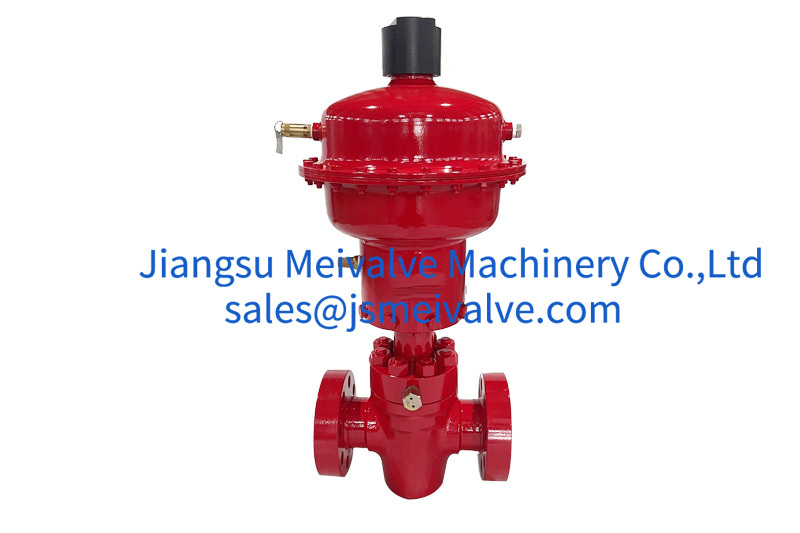
How to Select the Right Surface Safety Valve for Hazardous Environments
Table of Contents
- Understanding Surface Safety Valves
- The Importance of Safety Valves in Hazardous Environments
- Key Factors to Consider When Selecting a Surface Safety Valve
- Pressure Ratings and Setpoints
- Material Compatibility
- Valve Type and Design
- Environmental Conditions
- Certifications and Standards
- Maintenance and Reliability
- Best Practices for Installation
- Common Misconceptions About Surface Safety Valves
- Frequently Asked Questions
- Conclusion
Understanding Surface Safety Valves
Surface safety valves play a vital role in protecting equipment and personnel in various industrial applications, especially within hazardous environments. These valves are designed to prevent overpressure conditions and are critical safety devices used in oil and gas extraction, chemical processing, and other high-risk operations. They act automatically to release excess pressure, ensuring that systems operate within their designed limits.
The Importance of Safety Valves in Hazardous Environments
The significance of selecting the correct surface safety valve cannot be overstated. In hazardous environments, the risk of catastrophic failures due to overpressure can lead to severe accidents, including explosions and equipment damage. Therefore, implementing reliable safety valves is essential to safeguard human life, protect equipment, and minimize environmental impact.
Safety valves are not just regulatory requirements; they are integral to maintaining operational integrity. They ensure that processes run smoothly and that any potential hazards are managed effectively.
Key Factors to Consider When Selecting a Surface Safety Valve
Pressure Ratings and Setpoints
Understanding pressure ratings and setpoints is fundamental when selecting a surface safety valve. The valve must be able to handle the maximum expected pressure within the system while ensuring it opens at the correct setpoint to relieve pressure.
1. **Maximum Allowable Working Pressure (MAWP)**: Always check the MAWP of your system. The safety valve should be rated higher than this pressure to avoid premature opening or failure.
2. **Setpoint**: Determine the appropriate setpoint for the valve. This is the pressure at which the valve should activate to relieve excess pressure, requiring careful calibration to balance safety and operational efficiency.
Material Compatibility
Material compatibility is another crucial consideration. The selected valve material must withstand the specific chemicals and conditions present in the environment. Corrosive substances can degrade certain materials, leading to valve failure.
1. **Corrosion Resistance**: Opt for materials like stainless steel or specialized alloys for environments with corrosive agents.
2. **Temperature and Pressure Compatibility**: Ensure that the chosen materials can operate effectively under the temperature and pressure conditions of your specific application.
Valve Type and Design
Different types of surface safety valves are available, each designed for specific applications and environments. Common valve types include:
1. **Spring-Loaded Safety Valves**: Ideal for most applications, these valves utilize a spring mechanism to maintain pressure.
2. **Pilot-Operated Safety Valves**: These valves are suitable for larger systems, offering precise control and efficient pressure regulation.
Choosing the right design enhances performance and reliability, ensuring that the valve meets the unique demands of your operation.
Environmental Conditions
Evaluating environmental conditions is essential when selecting a surface safety valve. Factors such as temperature extremes, humidity, and presence of corrosive gases should influence your choice.
1. **Operating Temperature Range**: Ensure the valve can function within the specific temperature range of your environment.
2. **Humidity and Atmospheric Conditions**: Take into account the humidity levels and whether the valve will be exposed to harsh atmospheric conditions that could affect its performance.
Certifications and Standards
Valves used in hazardous environments must comply with strict industry standards to ensure safety and reliability. Look for certifications such as:
1. **American Society of Mechanical Engineers (ASME)**: Ensure compliance with ASME standards for pressure relief valves.
2. **. Standards**: The American Petroleum Institute (.) provides guidelines for safety valves used in oil and gas.
Select valves that meet or exceed these standards to enhance safety and operational performance.
Maintenance and Reliability
Maintenance is critical to the longevity and reliability of surface safety valves. Choose valves that are designed for easy maintenance and have a track record of reliability in your specific industry.
1. **Inspection Frequency**: Regular inspections and testing are necessary to ensure that safety valves function properly.
2. **Ease of Maintenance**: Select designs that allow for straightforward access and minimal downtime during maintenance tasks.
Best Practices for Installation
Proper installation of surface safety valves is as crucial as their selection. Follow these best practices to ensure effective installation:
1. **Follow Manufacturer Guidelines**: Always adhere to the manufacturer's installation instructions to avoid operational issues.
2. **Consult with Professionals**: Engage experienced technicians for installation, especially in complex environments.
3. **Test Post-Installation**: After installation, conduct thorough testing to ensure the valve operates correctly under expected conditions.
Common Misconceptions About Surface Safety Valves
Several misconceptions exist regarding surface safety valves. Here we address a few of them:
1. **"One Size Fits All"**: Many believe that any safety valve can fit any application. In reality, each application has its unique requirements that must be met for optimal performance.
2. **"Maintenance is Optional"**: Some operators underestimate the importance of regular maintenance. Neglecting maintenance can lead to valve failure, resulting in hazardous conditions.
3. **"All Safety Valves are the Same"**: Different types of safety valves serve different purposes. Understanding the differences is essential for making the right choice.
Frequently Asked Questions
What is a surface safety valve, and how does it work?
A surface safety valve is a critical safety device designed to release excess pressure in systems that handle hazardous materials. It operates automatically, opening when pressure exceeds a predefined limit.
How often should surface safety valves be inspected?
It is recommended that surface safety valves be inspected at least once a year, or more frequently depending on the operating conditions and manufacturer guidelines.
Can I use the same safety valve in different applications?
Not necessarily. Each application has specific requirements, and using the same valve across different systems may not meet operational or safety standards.
What materials are commonly used for surface safety valves?
Common materials include stainless steel, bronze, and specialized alloys, chosen based on the environmental conditions and the materials processed.
How do I know if my surface safety valve is malfunctioning?
Signs of malfunction may include unusual noises, leaks, or failure to open at the set pressure. Regular testing and inspection can help identify issues early.
Conclusion
Selecting the right surface safety valve for hazardous environments is a critical task that demands careful consideration of various factors, including pressure ratings, material compatibility, and operational requirements. By understanding these elements and adhering to best practices for installation and maintenance, organizations can enhance safety and efficiency in their operations. Ultimately, investing in the right safety valve not only protects personnel and equipment but also ensures compliance with industry standards, fostering a culture of safety in the workplace.
Hot Tags:


Contact Us
E-mail:
sales@jsmeivalve.com
Phone:
+86-15900826755
Address:
No. 888 Jiatong Road, Jianhu County Economic Development Zone, Yancheng City, Jiangsu Province



中企跨境-全域组件
制作前进入CSS配置样式
WhatsApp:
邮箱:
电话:
屏蔽页面上图片的alt/title提示
图片alt标题设置: MeiValve Machinery
CSS / JS 文件放置地