Understanding Surface Safety Valves: Essential Components for Industrial Safety
Nov 14,2025
---
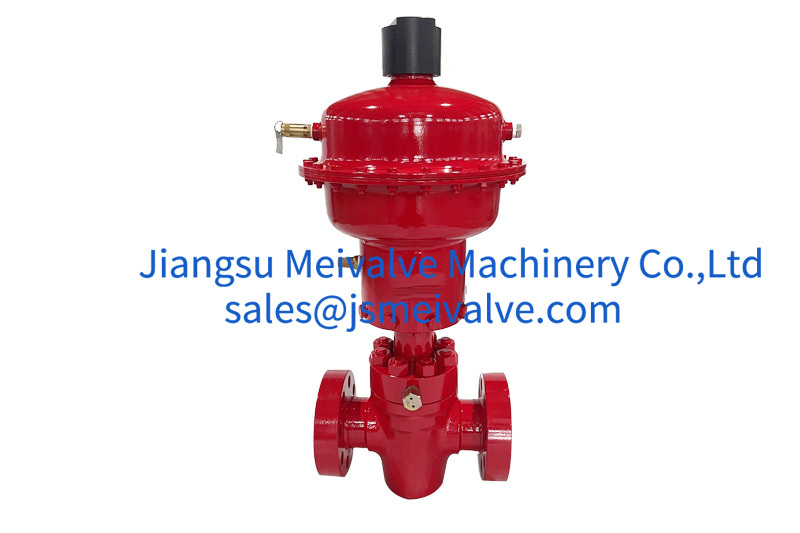
Surface Safety Valves (SSVs) are crucial components in the realm of industrial safety, particularly in sectors involving high-pressure systems, such as oil and gas, petrochemicals, and power generation. Designed to mitigate the risk of overpressure scenarios, these valves play a pivotal role in maintaining safety and operational integrity.
At the core of their functionality, Surface Safety Valves are engineered to automatically release pressure from a system when it exceeds a predetermined threshold. This automatic response prevents catastrophic failures that could arise from excessive pressure buildup, such as explosions or equipment damage. Consequently, understanding the operation and maintenance of SSVs is essential for professionals overseeing industrial systems.
The primary mechanism of an SSV involves a spring-loaded design that holds the valve closed under normal operating conditions. When the pressure reaches the set limit, the force exerted by the fluid overcomes the spring tension, causing the valve to open and relieve excess pressure. This function is vital in ensuring the safety of personnel and equipment, as it acts as a fail-safe during potential emergencies.
Surface Safety Valves are utilized in various applications, including wellhead control systems in oil extraction, pressure relief in storage tanks, and protection for pipelines. Their strategic placement in these systems is imperative for effective pressure management and overall safety. It is also worth noting that SSVs can be equipped with additional features, such as monitoring systems that provide real-time data on valve performance, enhancing operational efficiency.
For professionals responsible for industrial safety, regular inspections and maintenance of Surface Safety Valves are indispensable. Ensuring that valves are calibrated correctly and functioning as intended can prevent malfunctions and costly downtimes. Periodic testing, including seat leakage tests and full functional tests, should be part of a comprehensive maintenance strategy to uphold safety standards.
Moreover, understanding the regulatory frameworks surrounding the use of Surface Safety Valves is crucial. Different industries may have specific standards and guidelines governing the installation, testing, and maintenance of these devices. Staying informed about these regulations ensures compliance and enhances the overall safety culture within the organization.
In conclusion, Surface Safety Valves are integral to ensuring safe operating environments in high-pressure industrial settings. Their fundamental role in pressure management, coupled with regular maintenance and adherence to safety regulations, empowers professionals to mitigate risks effectively. By prioritizing the functionality and reliability of SSVs, industries can protect their workforce, equipment, and investments, fostering a safer operational landscape.
Hot Tags:


Contact Us
E-mail:
sales@jsmeivalve.com
Phone:
+86-15900826755
Address:
No. 888 Jiatong Road, Jianhu County Economic Development Zone, Yancheng City, Jiangsu Province



中企跨境-全域组件
制作前进入CSS配置样式
WhatsApp:
邮箱:
电话:
屏蔽页面上图片的alt/title提示
图片alt标题设置: MeiValve Machinery
CSS / JS 文件放置地