Understanding Surface Safety Valves: Essential Insights for Industrial Applications
Nov 24,2025
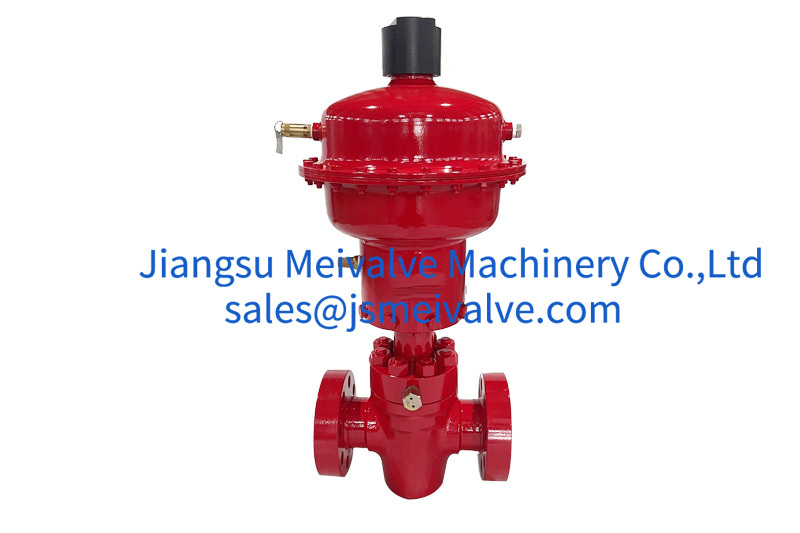
Surface Safety Valves (SSVs) are crucial components in the realm of industrial equipment, particularly in the oil and gas industry, where they ensure the safe operation of various systems. These valves are designed to prevent overpressure scenarios by automatically releasing fluids when the pressure exceeds predetermined limits. Understanding the function and significance of SSVs is essential for anyone involved in industrial operations.
One of the primary functions of a surface safety valve is to act as a safety mechanism. In situations where pressure builds up due to equipment malfunction or other unforeseen circumstances, the SSV activates to release excess pressure, thereby protecting the system from damage. This automatic response is vital for preventing catastrophic failures that could lead to unsafe conditions or environmental hazards.
The design of surface safety valves is meticulously engineered to meet strict industry standards. They are typically constructed from robust materials that can withstand harsh conditions, including extreme temperatures and corrosive environments. Additionally, SSVs are designed with precision to ensure reliability and effective pressure release. Regular maintenance and testing of these valves are essential to ensure their proper functionality, as any failure could result in severe consequences.
In terms of installation, surface safety valves must be strategically placed within a system to optimize their effectiveness. They are usually located at the surface of production wells or in pipelines where pressure monitoring is critical. Proper sizing and selection are key factors in ensuring that the SSV can handle the expected pressure levels without failure.
Moreover, understanding the operational parameters of surface safety valves is crucial for maintaining system integrity. Operators need to be familiar with the specific pressure settings and the conditions under which the valves will activate. This knowledge is essential for effective safety management and assists in the overall operational planning of industrial activities.
In conclusion, surface safety valves are indispensable in safeguarding industrial systems from overpressure situations. Their reliable performance not only protects equipment but also ensures the safety of personnel and the environment. For industries where pressure control is vital, investing time in understanding and maintaining these safety valves can lead to enhanced operational efficiency and safety compliance. Regular training and awareness about the functionality of SSVs are recommended for all personnel involved in industrial operations, as they play a critical role in overall system safety.
Hot Tags:


Contact Us
E-mail:
sales@jsmeivalve.com
Phone:
+86-15900826755
Address:
No. 888 Jiatong Road, Jianhu County Economic Development Zone, Yancheng City, Jiangsu Province



中企跨境-全域组件
制作前进入CSS配置样式
WhatsApp:
邮箱:
电话:
屏蔽页面上图片的alt/title提示
图片alt标题设置: MeiValve Machinery
CSS / JS 文件放置地