The Relationship Between Surface Safety Valves and System Integrity: Ensuring Optimal Performance
Nov 29,2025
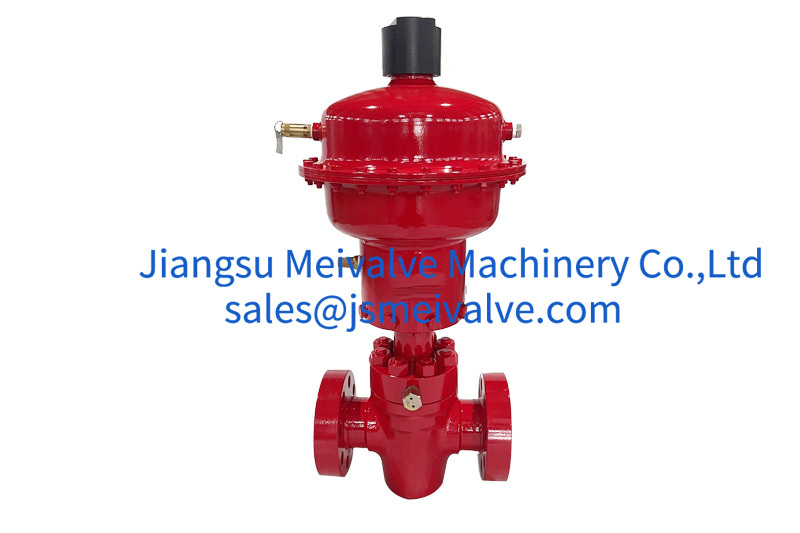
The Relationship Between Surface Safety Valves and System Integrity
Introduction to Surface Safety Valves
Surface safety valves (SSVs) play a crucial role in the integrity of industrial systems. These components are designed to protect equipment and personnel by preventing overpressure conditions. By understanding the function and importance of SSVs, organizations can ensure optimal system performance and safety.
What Are Surface Safety Valves?
Surface safety valves are automatic devices that release excess pressure from a system to prevent catastrophic failures. Typically found in oil and gas industries, these valves are essential for maintaining the integrity of pipelines, storage tanks, and various processing systems. When pressure exceeds a predetermined level, the SSV opens, allowing gas or liquid to escape safely.
The Functionality of Surface Safety Valves
The primary function of surface safety valves is to monitor and control pressure within a system. They are equipped with a spring-loaded mechanism that responds to pressure changes. When pressure builds up, the valve opens, ensuring that the system remains within safe operating parameters. This process not only protects equipment but also mitigates risks to personnel and the environment.
Importance of System Integrity
System integrity refers to the overall health and reliability of a system. It encompasses various factors, including the physical condition of equipment, the effectiveness of safety measures, and adherence to operational standards. Maintaining system integrity is vital to prevent failures, reduce downtime, and ensure the safety of personnel.
The Impact of Surface Safety Valves on System Integrity
Surface safety valves are integral to maintaining system integrity in multiple ways:
1. **Prevention of Overpressure**: By regulating pressure levels, SSVs prevent structural damage to equipment and minimize the risk of leaks or ruptures.
2. **Protection Against Catastrophic Failure**: When systems exceed their pressure limits, the consequences can be severe. SSVs act as a safeguard, allowing for controlled release and preventing explosive failures.
3. **Compliance with Regulatory Standards**: Many industries are subject to stringent safety regulations. Properly functioning SSVs help organizations meet these requirements, ensuring legal compliance and enhancing overall safety.
Key Features of Surface Safety Valves
Understanding the features of surface safety valves is essential for selecting the right valve for specific applications. Key characteristics include:
1. Set Pressure
The set pressure is the threshold at which the valve opens. This parameter must be carefully determined based on the application and system requirements. An incorrectly set pressure can lead to either premature valve operation or catastrophic system failure.
2. Flow Capacity
The flow capacity of an SSV indicates the volume of fluid that can pass through the valve when it is open. This characteristic is critical for ensuring that the valve can effectively relieve pressure in emergencies.
3. Construction Material
The material used in the construction of surface safety valves affects their durability and suitability for various environments. Common materials include stainless steel, carbon steel, and alloy compositions, each chosen based on the application’s specific requirements.
4. Type of Actuation
SSVs can be actuated mechanically or electronically. Mechanical actuation relies on traditional spring mechanisms, while electronic options can incorporate advanced monitoring systems for real-time pressure assessment.
Best Practices for Maintaining Surface Safety Valves
To ensure the optimal performance of surface safety valves and, consequently, system integrity, it is vital to follow best practices:
1. Regular Inspection and Testing
Routine inspection and testing of SSVs are crucial for identifying potential issues. Regular checks help ensure that valves open at the correct pressure and function as intended.
2. Maintenance and Repair
Scheduled maintenance is necessary to keep SSVs in good working condition. This includes cleaning, lubricating moving parts, and replacing worn components. Addressing minor issues before they escalate can prevent costly downtime and enhance system integrity.
3. Documentation and Record-Keeping
Maintaining accurate records of inspections, maintenance, and testing is essential for tracking the performance of surface safety valves over time. This documentation can provide insights into the valve's reliability and inform future maintenance needs.
Case Studies: The Role of Surface Safety Valves in Real-World Applications
Examining real-world applications of surface safety valves highlights their importance in ensuring system integrity across different industries.
1. Oil and Gas Industry
In the oil and gas sector, SSVs are critical for managing pressure in pipelines and storage tanks. For instance, a major oil company implemented a comprehensive SSV maintenance program, significantly reducing incidents of overpressure and enhancing safety across its operations.
2. Chemical Processing
In chemical processing plants, SSVs protect against the risks associated with volatile substances. By adhering to strict maintenance schedules, a leading chemical manufacturer improved the reliability of its pressure safety systems, leading to fewer shutdowns and enhanced operational efficiency.
Technological Advances in Surface Safety Valves
Innovation continues to shape the landscape of surface safety valves. Recent technological advances focus on enhancing performance, reliability, and monitoring capabilities.
1. Smart Safety Valves
Smart safety valves incorporate sensors and IoT technology to provide real-time data on pressure levels and valve performance. This innovation allows for proactive maintenance and immediate response to potential issues.
2. Enhanced Materials
Developments in materials science have led to the creation of advanced alloys that offer greater resistance to corrosion and wear. These materials can extend the lifespan of SSVs, reducing overall maintenance costs.
3. Advanced Control Systems
Modern control systems enhance the functionality of surface safety valves by integrating them into broader safety and monitoring frameworks. This capability ensures that operators receive timely alerts and can take swift action when needed.
FAQs About Surface Safety Valves and System Integrity
1. What is the primary purpose of surface safety valves?
The primary purpose of surface safety valves is to prevent overpressure conditions in systems, ensuring safety and protecting equipment from damage.
2. How often should surface safety valves be inspected?
Surface safety valves should be inspected regularly, typically at least once a year, but this may vary based on industry standards and specific operational conditions.
3. What are the signs of a malfunctioning surface safety valve?
Signs of a malfunctioning SSV may include leaks, failure to open at the set pressure, or visible corrosion and damage to the valve body.
4. Can surface safety valves be retrofitted into existing systems?
Yes, surface safety valves can often be retrofitted into existing systems, though careful consideration must be given to compatibility and regulatory requirements.
5. What are the consequences of not maintaining surface safety valves?
Failing to maintain surface safety valves can lead to catastrophic system failures, increased downtime, and potential harm to personnel and the environment.
Conclusion
The relationship between surface safety valves and system integrity is vital for the safety and efficiency of industrial operations. By understanding the significance of SSVs, their key features, and best practices for maintenance, organizations can ensure optimal performance and safeguard their systems. With technological innovations continuously improving the reliability of these essential components, the future of industrial safety looks promising. Investing in surface safety valves is not just a regulatory requirement; it's a commitment to operational excellence and safety.
Hot Tags:


Contact Us
E-mail:
sales@jsmeivalve.com
Phone:
+86-15900826755
Address:
No. 888 Jiatong Road, Jianhu County Economic Development Zone, Yancheng City, Jiangsu Province



中企跨境-全域组件
制作前进入CSS配置样式
WhatsApp:
邮箱:
电话:
屏蔽页面上图片的alt/title提示
图片alt标题设置: MeiValve Machinery
CSS / JS 文件放置地