
How Technology is Transforming the Future of Surface Safety Valves
Dec 09,2025
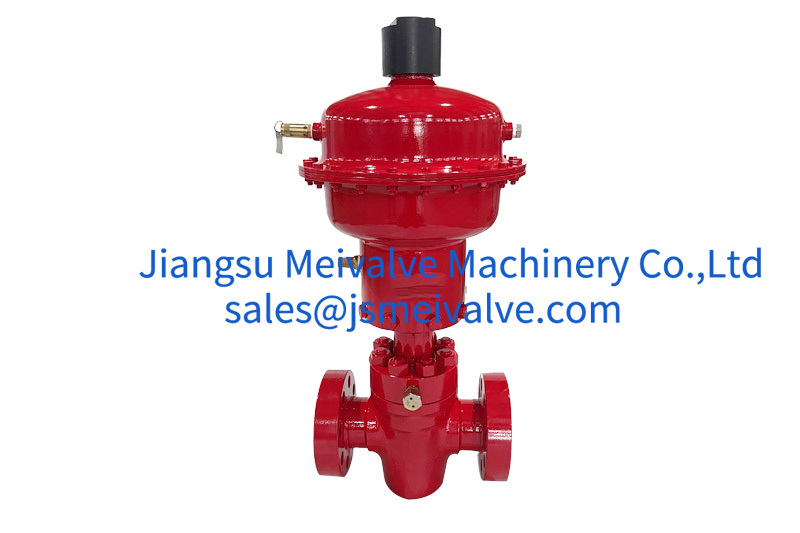
How Technology is Transforming the Future of Surface Safety Valves
The world of industrial equipment, particularly in the realm of safety valves, is undergoing a revolutionary transformation driven by technological advancements. Surface safety valves, pivotal in safeguarding against overpressure scenarios, are now more efficient, reliable, and intelligent than ever before. This article delves deep into the various ways technology is shaping the landscape of surface safety valves, detailing innovations, applications, and future trends that industry professionals should be aware of.
Table of Contents
- Introduction to Surface Safety Valves
- The Importance of Surface Safety Valves in Industrial Applications
- Key Technological Advancements in Surface Safety Valves
- The Rise of Smart Safety Valves
- Data Analytics and Predictive Maintenance
- Innovative Materials in Valve Manufacturing
- Regulatory Compliance and Technological Adaptations
- Future Trends in Surface Safety Valve Technology
- Conclusion
- Frequently Asked Questions
Introduction to Surface Safety Valves
Surface safety valves serve as critical components in pressure relief systems across various industries, including oil and gas, chemical processing, and manufacturing. Their primary function is to prevent catastrophic failures by releasing excess pressure, thus ensuring safety and operational integrity. With technological advancements, the design, functionality, and operational efficiency of these valves have evolved significantly. This article explores the myriad ways these changes are shaping the future of surface safety valves.
The Importance of Surface Safety Valves in Industrial Applications
Surface safety valves are essential for maintaining safety and compliance in industrial operations. Their ability to swiftly release pressure can prevent explosions, equipment failures, and environmental hazards. In industries where high-pressure systems are the norm, such as oil and gas extraction, the reliability of surface safety valves is paramount. Regular advancements in technology not only enhance their performance but also extend their lifecycle, ultimately leading to safer operational environments.
Key Technological Advancements in Surface Safety Valves
Modern technology has ushered in a new era for surface safety valves. Key advancements include:
1. Digitalization and IoT Integration
The integration of digital technologies and the Internet of Things (IoT) into surface safety valves allows for seamless monitoring and control. These smart valves can communicate data regarding their performance and condition in real-time, enabling proactive maintenance and reducing the risk of unexpected failures.
2. Enhanced Material Technologies
Recent advancements in material science have led to the development of more robust and corrosion-resistant materials. These materials enhance the durability and reliability of surface safety valves, particularly in harsh industrial environments.
3. Advanced Actuation Systems
Electric and pneumatic actuation systems have improved the responsiveness of surface safety valves. These advanced systems enable quicker response times to pressure fluctuations, ensuring optimal safety in critical applications.
The Rise of Smart Safety Valves
Smart safety valves represent a significant leap forward in valve technology. Equipped with sensors and IoT capabilities, these valves provide real-time analytics and performance data, allowing for better decision-making and operational efficiency.
1. Remote Monitoring and Control
Smart safety valves can be monitored remotely, providing operators with real-time insights into operational performance. This feature reduces the need for manual inspections and enhances safety by enabling quicker responses to potential issues.
2. Predictive Analytics for Maintenance
Through the collection and analysis of performance data, predictive analytics can forecast when a valve is likely to fail or require maintenance. This proactive approach minimizes downtime and repair costs, ensuring sustained productivity.
Data Analytics and Predictive Maintenance
The role of data analytics in optimizing surface safety valves cannot be overstated. By analyzing historical and real-time data, companies can identify trends, potential issues, and performance benchmarks.
1. Improving Safety Protocols
Data-driven insights allow organizations to refine their safety protocols, ensuring that they are not only compliant with regulations but also tailored to specific operational environments. This adaptability enhances the overall safety landscape.
2. Streamlining Operations
Utilizing data analytics helps in streamlining operations by reducing unnecessary maintenance and focusing resources on critical areas. This boosts overall efficiency and lowers operational costs.
Innovative Materials in Valve Manufacturing
The development of innovative materials has been transformative for the manufacturing of surface safety valves. Advanced materials provide higher resistance to environmental factors and extend the valve's lifespan.
1. Corrosion-Resistant Alloys
Corrosion-resistant alloys are increasingly used in valve construction to combat the harsh conditions often faced in industrial applications, particularly in the oil and gas sector. These materials ensure longevity and reliability.
2. Lightweight Composites
Lightweight composite materials are being employed to reduce the overall weight of safety valves. This shift not only eases installation but also enhances the performance of the valves under different operational pressures.
Regulatory Compliance and Technological Adaptations
As technology evolves, so too do the regulatory standards governing surface safety valves. Companies must adapt their systems and practices to meet these standards, ensuring safety and compliance in their operations.
1. Adapting to New Standards
Technological advancements often lead to the creation of new industry standards. Organizations must stay abreast of these changes and adapt their safety valve technologies accordingly to ensure compliance and avoid penalties.
2. Importance of Certifications
Certifications from recognized bodies are essential to demonstrate compliance with safety standards. Investing in certified technology not only enhances safety but also builds trust with stakeholders and customers.
Future Trends in Surface Safety Valve Technology
The future of surface safety valves looks promising, with several key trends expected to shape their evolution:
1. Increased Automation
Automation will continue to play a crucial role in the development of surface safety valves, making them more efficient and less reliant on manual interventions.
2. Greater Integration with Industry 4.0
As industries move toward Industry 4.0, surface safety valves will increasingly integrate with smart factory systems, enhancing overall operational efficiency through interoperable technologies.
3. Emphasis on Sustainability
With a growing focus on environmental responsibility, the development of eco-friendly materials and energy-efficient technologies will become a priority in the manufacturing of surface safety valves.
Conclusion
The landscape of surface safety valves is rapidly changing, driven by advancements in technology that enhance their functionality, reliability, and efficiency. From smart valve technologies to innovative materials, these developments are not only improving safety but also transforming how industries operate. Staying informed about these technological trends is essential for professionals in the field to ensure that they remain competitive and compliant in an ever-evolving industrial environment.
Frequently Asked Questions
1. What are surface safety valves used for?
Surface safety valves are used to prevent overpressure situations in industrial systems by releasing excess pressure, thereby safeguarding equipment and personnel.
2. How do smart safety valves improve operational efficiency?
Smart safety valves integrate IoT technology, allowing for real-time monitoring and predictive maintenance, which reduces downtime and maintenance costs.
3. What materials are commonly used in the manufacture of surface safety valves?
Common materials include corrosion-resistant alloys and lightweight composites, which enhance durability and performance under various conditions.
4. How does data analytics impact the maintenance of surface safety valves?
Data analytics helps identify performance trends and potential issues, enabling predictive maintenance that minimizes unexpected failures and operational disruptions.
5. What future trends should we expect in surface safety valve technology?
Future trends include increased automation, greater integration with Industry 4.0 technologies, and a heightened focus on sustainability in manufacturing practices.
Hot Tags:
PREVIOUS:


Contact Us
E-mail:
sales@jsmeivalve.com
Phone:
+86-15900826755
Address:
No. 888 Jiatong Road, Jianhu County Economic Development Zone, Yancheng City, Jiangsu Province



WhatsApp:
邮箱:
电话:
屏蔽页面上图片的alt/title提示
图片alt标题设置: MeiValve Machinery
CSS / JS 文件放置地