
Understanding the Mechanisms Behind Wellhead Expanding Gate Valves: A Comprehensive Guide
Dec 15,2025
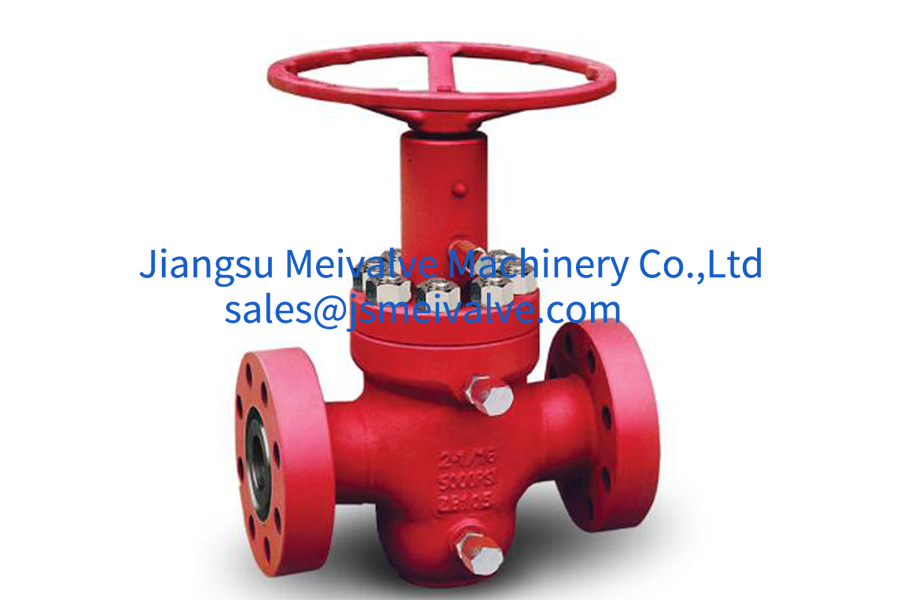
Understanding the Mechanisms Behind Wellhead Expanding Gate Valves
Table of Contents
- 1. Introduction to Wellhead Expanding Gate Valves
- 2. Mechanisms of Wellhead Expanding Gate Valves
- 3. Advantages of Wellhead Expanding Gate Valves
- 4. Applications in the Oil and Gas Industry
- 5. Maintenance and Troubleshooting
- 6. Conclusion
- 7. Frequently Asked Questions
1. Introduction to Wellhead Expanding Gate Valves
Wellhead expanding gate valves (WEGVs) are essential components in modern oil and gas extraction processes. These valves play a crucial role in managing the flow of fluids in wellhead systems, ensuring safety and efficiency. Designed to withstand high pressures and aggressive environments, expanding gate valves are known for their unique sealing mechanisms and robust construction. In this article, we will explore the inner workings of these valves, their advantages, applications, and best maintenance practices.
2. Mechanisms of Wellhead Expanding Gate Valves
2.1 Design Features of Expanding Gate Valves
Expanding gate valves feature a unique design that sets them apart from traditional gate valves. The primary components include the valve body, gate, seat, and actuator. The gate is typically made from durable materials resistant to corrosion and wear, ensuring longevity even in harsh conditions. A noteworthy feature of WEGVs is their ability to create a tight seal when the valve is closed. This is achieved through a mechanical expanding mechanism that presses the gate against the seat, preventing leaks effectively.
2.2 Operating Principles of Expanding Gate Valves
The operation of a wellhead expanding gate valve is straightforward yet effective. When the valve is opened, the gate retracts away from the seat, allowing fluid to flow freely. Conversely, closing the valve engages the expanding mechanism, which forces the gate to expand and seat tightly against the valve body. This operation not only ensures a solid barrier against leaks but also minimizes the risk of fluid backflow, enhancing system reliability.
3. Advantages of Wellhead Expanding Gate Valves
Wellhead expanding gate valves offer numerous advantages, making them a preferred choice in various industrial applications. Some of the key benefits include:
- **Enhanced Safety:** The robust design minimizes the risk of leaks, safeguarding personnel and the environment.
- **High Pressure Tolerance:** These valves can operate under extreme pressure conditions, making them suitable for demanding applications.
- **Durability and Longevity:** Constructed from high-quality materials, they exhibit excellent resistance to wear and corrosion, extending their operational lifespan.
- **Low Maintenance Requirements:** The design minimizes wear on moving parts, thereby reducing the frequency and cost of maintenance.
4. Applications in the Oil and Gas Industry
Wellhead expanding gate valves play a pivotal role in the oil and gas sector. Their applications include:
- **Wellhead Control:** WEGVs are used to manage the flow of oil and gas at the wellhead, ensuring controlled extraction.
- **Pipeline Management:** These valves are essential for regulating fluid flow in pipelines, providing an effective method for isolation during maintenance.
- **Refinery Operations:** In refineries, expanding gate valves are utilized for their reliable sealing capabilities in various processes.
5. Maintenance and Troubleshooting
To ensure optimal performance and longevity, regular maintenance of wellhead expanding gate valves is crucial.
5.1 Routine Maintenance Practices
Routine maintenance should include the following steps:
- **Inspection:** Regularly inspect the valve for signs of wear, corrosion, or damage.
- **Lubrication:** Apply appropriate lubricants to moving parts to reduce friction and enhance operation.
- **Testing:** Conduct functional tests to ensure the valve operates correctly under pressure.
5.2 Common Issues and Troubleshooting Tips
Despite their robust design, issues may arise. Common problems include:
- **Leakage:** If the valve is leaking, inspect the sealing surfaces for damage and replace any worn components.
- **Sticking Mechanism:** If the gate mechanism sticks, ensure it is adequately lubricated and free from debris.
- **Pressure Fluctuations:** Pressure inconsistencies may indicate a need for valve recalibration or repair.
6. Conclusion
Wellhead expanding gate valves are essential components in the oil and gas industry, providing reliable fluid management solutions. Their unique mechanisms, advantages, and applications make them indispensable in modern extraction processes. Regular maintenance and attention to operational guidelines can ensure optimal performance and longevity, safeguarding both personnel and the environment.
7. Frequently Asked Questions
1. What are wellhead expanding gate valves used for?
Wellhead expanding gate valves are primarily used to control the flow of fluids in oil and gas extraction processes, ensuring safe and efficient operation.
2. How do expanding gate valves differ from traditional gate valves?
Expanding gate valves employ a unique mechanism that allows the gate to expand against the seat, creating a tight seal, whereas traditional gate valves rely on a simple lifting mechanism.
3. What materials are used in the construction of wellhead expanding gate valves?
These valves are typically made from durable materials like carbon steel or stainless steel, providing resistance to corrosion and wear.
4. How often should wellhead expanding gate valves be maintained?
Regular maintenance should be performed every 6-12 months, depending on the operational environment and usage frequency.
5. Can wellhead expanding gate valves be repaired?
Yes, many components of wellhead expanding gate valves can be repaired or replaced, ensuring continued performance and safety.
Hot Tags:


Contact Us
E-mail:
sales@jsmeivalve.com
Phone:
+86-15900826755
Address:
No. 888 Jiatong Road, Jianhu County Economic Development Zone, Yancheng City, Jiangsu Province



中企跨境-全域组件
制作前进入CSS配置样式
WhatsApp:
邮箱:
电话:
屏蔽页面上图片的alt/title提示
图片alt标题设置: MeiValve Machinery
CSS / JS 文件放置地