Understanding the Essential Maintenance Needs of Surface Safety Valves for Industrial Equipment
Dec 19,2025
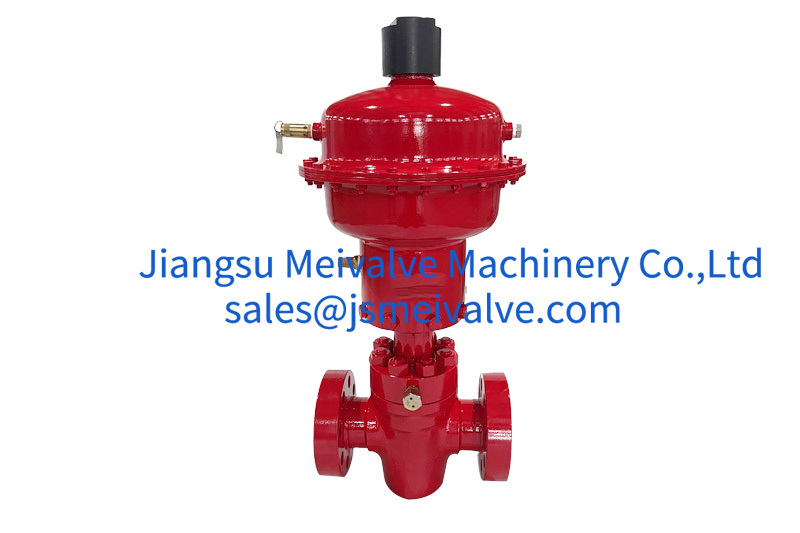
Understanding the Maintenance Needs of Surface Safety Valves
Safety is paramount in industrial operations, especially when dealing with high-pressure systems. **Surface safety valves** (SSVs) play a pivotal role in safeguarding equipment and personnel by preventing overpressure conditions. Proper maintenance of these valves is crucial for their reliable operation. In this detailed article, we will delve into the various maintenance needs of surface safety valves, ensuring that you are equipped with the knowledge to keep your systems running efficiently.
Table of Contents
1. Introduction to Surface Safety Valves
2. The Importance of Regular Maintenance
3. Key Maintenance Practices for Surface Safety Valves
3.1 Routine Inspections
3.2 Calibration and Testing
3.3 Cleaning and Lubrication
3.4 Parts Replacement
4. Troubleshooting Common Issues
4.1 Valve Leakage
4.2 Corrosion and Wear
5. Best Practices for Surface Safety Valve Maintenance
6. Regulatory Compliance and Documentation
7. Conclusion
8. Frequently Asked Questions (FAQs)
1. Introduction to Surface Safety Valves
Surface safety valves are critical safety devices designed to prevent excess pressure from building up in pressure vessels, piping systems, or other industrial equipment. When the pressure exceeds a pre-set level, these valves automatically open to release excess pressure, preventing potential explosions or catastrophic failures. Understanding the functionality and maintenance needs of these valves is essential for ensuring the safety and efficiency of industrial operations.
2. The Importance of Regular Maintenance
Regular maintenance of surface safety valves is not just a best practice; it's a necessity. Neglecting maintenance can lead to valve failure, resulting in dangerous situations and costly downtimes. Here are several reasons why regular maintenance is essential:
- **Safety Assurance:** Properly functioning safety valves prevent hazardous situations, protecting personnel and equipment.
- **Cost Efficiency:** Regular maintenance helps in identifying issues early, avoiding expensive repairs or replacements down the line.
- **Regulatory Compliance:** Many industries are subject to strict regulations regarding equipment safety. Regular maintenance ensures compliance with these regulations, avoiding legal repercussions.
- **Operational Reliability:** Well-maintained safety valves contribute to the overall efficiency and reliability of industrial operations.
3. Key Maintenance Practices for Surface Safety Valves
To ensure that surface safety valves operate effectively, specific maintenance practices should be followed regularly.
3.1 Routine Inspections
Performing routine inspections is the foundation of effective valve maintenance. Inspections should include checking for physical damage, corrosion, and signs of wear. Operators should assess the valve's response during pressure tests to ensure it opens and closes at the correct set points.
3.2 Calibration and Testing
Calibration is crucial to ensure that the valve opens at the designated pressure. Regular testing should be conducted to verify that the valve operates correctly under pressure conditions. This testing should mimic actual operating conditions as closely as possible to ensure accurate results.
3.3 Cleaning and Lubrication
Dirt and debris can impede the functionality of surface safety valves. Regular cleaning should be performed to remove any buildup that may obstruct the valve's operation. Lubrication of moving parts is also vital to prevent wear and ensure smooth operation.
3.4 Parts Replacement
Certain components of a safety valve may wear out over time, necessitating replacement. Regularly scheduled maintenance should include evaluating these parts and replacing them as needed. This proactive approach can help prevent unexpected valve failures.
4. Troubleshooting Common Issues
Despite regular maintenance efforts, issues may still arise with surface safety valves. Understanding how to troubleshoot common problems can save time and resources.
4.1 Valve Leakage
Leakage is a common problem that can occur due to wear and tear or improper installation. If a valve is leaking, it should be examined for damaged seals or other issues that may require immediate attention.
4.2 Corrosion and Wear
Corrosion can severely impact the performance of surface safety valves. Regular inspections should focus on identifying corrosion early on, allowing for timely repairs or replacements. Using corrosion-resistant materials during installation can also mitigate future issues.
5. Best Practices for Surface Safety Valve Maintenance
Implementing best practices can enhance the efficacy of your maintenance regimen. Here are several recommendations:
- **Develop a Maintenance Schedule:** Create a detailed schedule outlining inspection and maintenance tasks. Regularly adhere to this schedule to remain proactive.
- **Train Personnel:** Ensure that all personnel involved in the operation and maintenance of safety valves receive adequate training on their functionality and maintenance requirements.
- **Document Maintenance Activities:** Keep comprehensive records of all maintenance activities, including inspections, repairs, and part replacements. This documentation is essential for regulatory compliance and tracking the valve's performance over time.
6. Regulatory Compliance and Documentation
Compliance with industry regulations is crucial for the safe operation of surface safety valves. Familiarize yourself with the relevant regulations that apply to your industry and ensure that your maintenance practices meet these standards. Proper documentation of maintenance activities is essential, as it provides a clear history of valve performance and maintenance efforts, aiding in compliance audits and inspections.
7. Conclusion
Understanding and addressing the maintenance needs of surface safety valves is fundamental for maintaining safety and operational efficiency in industrial settings. Through routine inspections, calibration, and adherence to best practices, organizations can ensure that their safety valves function effectively. By prioritizing maintenance, businesses not only fulfill regulatory requirements but also safeguard their employees and equipment from potential hazards.
8. Frequently Asked Questions (FAQs)
What is the lifespan of a surface safety valve?
The lifespan of a surface safety valve varies based on its usage and maintenance. Generally, with proper care, they can last several years before requiring replacement.
How often should surface safety valves be inspected?
Surface safety valves should be inspected at least annually, with more frequent inspections recommended for valves in high-use environments.
What are the signs that a safety valve needs maintenance?
Signs that a safety valve may need maintenance include visible leaks, unusual noises during operation, and failure to open or close at the designated pressure.
Can surface safety valves be repaired?
Yes, surface safety valves can often be repaired. However, if the damage is extensive or the valve is outdated, replacement may be the best option.
What should I do if I suspect a malfunctioning safety valve?
If you suspect a malfunction, immediately isolate the system and seek the assistance of a qualified technician to assess and address the issue. Safety should always be your top priority.
By following these guidelines and best practices, you can maintain surface safety valves effectively, ensuring the safety and efficiency of your industrial operations.
Hot Tags:


Contact Us
E-mail:
sales@jsmeivalve.com
Phone:
+86-15900826755
Address:
No. 888 Jiatong Road, Jianhu County Economic Development Zone, Yancheng City, Jiangsu Province



中企跨境-全域组件
制作前进入CSS配置样式
WhatsApp:
邮箱:
电话:
屏蔽页面上图片的alt/title提示
图片alt标题设置: MeiValve Machinery
CSS / JS 文件放置地