
Understanding Surface Safety Valves: Essential Components for Industrial Safety
Dec 25,2025
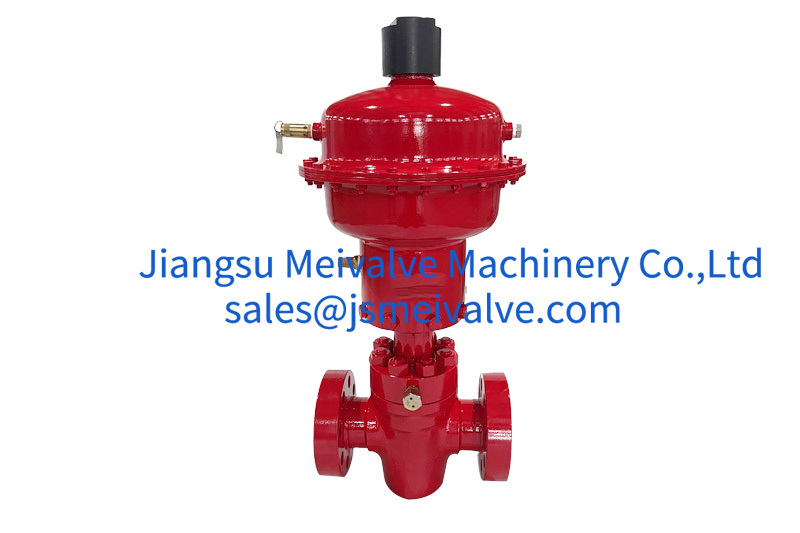
Surface Safety Valves (SSVs) are integral components in the realm of industrial equipment and safety systems, specifically designed to protect against overpressure in various applications, particularly in the oil and gas industry. These valves serve as a fail-safe mechanism, ensuring that if pressures exceed predetermined limits, the excess pressure is released, thus preventing catastrophic failures or damage to equipment and personnel.
Primarily, Surface Safety Valves are installed on wellheads and production facilities to control the release of hydrocarbons and other fluids. They operate automatically, triggered by the pressure exerted by the fluid within the system. This automatic operation is essential, as it allows for immediate response to overpressure conditions, ensuring that the system remains within safe operational limits.
The design and material selection for Surface Safety Valves are crucial factors in their effectiveness. They are typically constructed from robust materials that can withstand high pressures and corrosive environments. Stainless steel and other high-strength alloys are commonly used to enhance durability and operational lifespan. Additionally, the valve's sizing must be appropriate for the specific application, taking into account factors such as flow rate, temperature, and the types of fluids being managed.
Regular maintenance and testing of Surface Safety Valves are crucial to ensure their reliable performance. This includes routine inspections to check for leaks, corrosion, and wear, as well as functional testing to verify that they open and close correctly under overpressure conditions. Neglecting maintenance can lead to valve failure, posing significant safety risks.
In addition to their standard operation, Surface Safety Valves can also be equipped with various features such as remote monitoring systems. These systems provide real-time data on valve performance, allowing operators to identify potential issues before they escalate into serious problems. By integrating advanced technologies, businesses can enhance their safety protocols and ensure compliance with industry regulations.
In conclusion, Surface Safety Valves are indispensable for maintaining safety in industrial environments. Their design, operational integrity, and regular maintenance play a vital role in protecting equipment and personnel from the dangers of overpressure. For professionals in the industrial sector, understanding the significance of these valves and implementing best practices in their application is essential for ensuring operational safety and efficiency.
Primarily, Surface Safety Valves are installed on wellheads and production facilities to control the release of hydrocarbons and other fluids. They operate automatically, triggered by the pressure exerted by the fluid within the system. This automatic operation is essential, as it allows for immediate response to overpressure conditions, ensuring that the system remains within safe operational limits.
The design and material selection for Surface Safety Valves are crucial factors in their effectiveness. They are typically constructed from robust materials that can withstand high pressures and corrosive environments. Stainless steel and other high-strength alloys are commonly used to enhance durability and operational lifespan. Additionally, the valve's sizing must be appropriate for the specific application, taking into account factors such as flow rate, temperature, and the types of fluids being managed.
Regular maintenance and testing of Surface Safety Valves are crucial to ensure their reliable performance. This includes routine inspections to check for leaks, corrosion, and wear, as well as functional testing to verify that they open and close correctly under overpressure conditions. Neglecting maintenance can lead to valve failure, posing significant safety risks.
In addition to their standard operation, Surface Safety Valves can also be equipped with various features such as remote monitoring systems. These systems provide real-time data on valve performance, allowing operators to identify potential issues before they escalate into serious problems. By integrating advanced technologies, businesses can enhance their safety protocols and ensure compliance with industry regulations.
In conclusion, Surface Safety Valves are indispensable for maintaining safety in industrial environments. Their design, operational integrity, and regular maintenance play a vital role in protecting equipment and personnel from the dangers of overpressure. For professionals in the industrial sector, understanding the significance of these valves and implementing best practices in their application is essential for ensuring operational safety and efficiency.
Hot Tags:


Contact Us
E-mail:
sales@jsmeivalve.com
Phone:
+86-15900826755
Address:
No. 888 Jiatong Road, Jianhu County Economic Development Zone, Yancheng City, Jiangsu Province



中企跨境-全域组件
制作前进入CSS配置样式
WhatsApp:
邮箱:
电话:
屏蔽页面上图片的alt/title提示
图片alt标题设置: MeiValve Machinery
CSS / JS 文件放置地