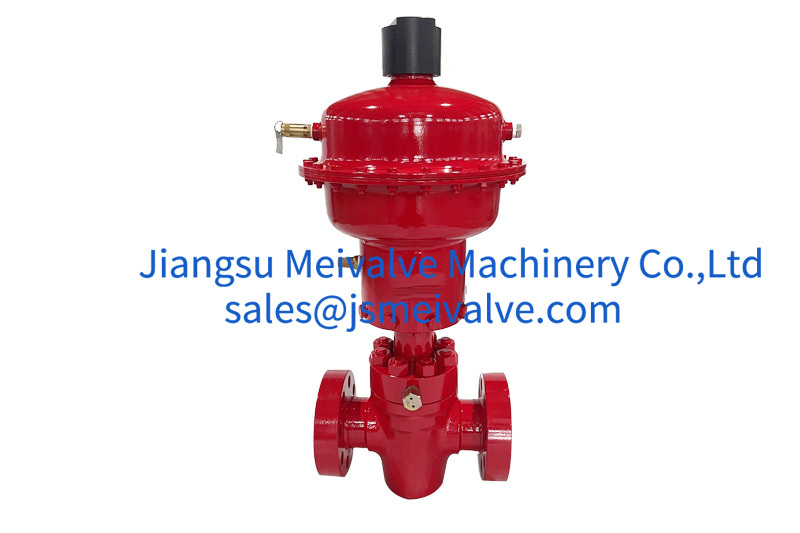
Understanding Surface Safety Valves in the Chemical Industry: Essential Considerations for Safety and Efficiency
Jan 01,2026
Understanding Surface Safety Valves in the Chemical Industry: Essential Considerations for Safety and Efficiency
Table of Contents
- 1. Introduction to Surface Safety Valves
- 2. Importance of Surface Safety Valves in Chemical Processes
- 3. Types of Surface Safety Valves
- 4. Key Considerations for Selecting Surface Safety Valves
- 5. Installation Guidelines for Surface Safety Valves
- 6. Maintenance Practices for Optimal Performance
- 7. Regulatory Standards and Compliance
- 8. Future Trends in Surface Safety Valve Technology
- 9. Frequently Asked Questions
- 10. Conclusion
1. Introduction to Surface Safety Valves
Surface safety valves (SSVs) are critical components in the safety management systems of the chemical industry. They are designed to relieve excess pressure from equipment and prevent potential hazards associated with over-pressurization. Understanding their function and importance is essential for ensuring a safe working environment.
The chemical industry involves various processes that generate gases, liquids, and solids under pressure. In such environments, the likelihood of accidents increases significantly without a robust safety mechanism. This article delves deep into surface safety valves, their types, selection, installation, maintenance, and future trends, ensuring that you have the comprehensive information necessary to make informed decisions.
2. Importance of Surface Safety Valves in Chemical Processes
Surface safety valves serve several crucial roles in the chemical industry:
- **Pressure Relief**: They automatically release excess pressure, preventing equipment failure or catastrophic explosions.
- **System Protection**: By maintaining the pressure within safe limits, SSVs protect both the equipment and employees working in potentially hazardous environments.
- **Compliance**: Regulatory agencies require the installation of safety valves in many chemical processes. Compliance with these regulations ensures operational legitimacy and safety.
- **Operational Efficiency**: By preventing unexpected shutdowns and equipment damage, SSVs enhance the overall operational efficiency of chemical plants.
Given the potentially catastrophic consequences of pressure failures, ensuring that surface safety valves are properly installed and maintained is non-negotiable.
3. Types of Surface Safety Valves
Understanding the various types of surface safety valves is essential for selecting the right one for your specific applications.
3.1 Spring-Operated Safety Valves
Spring-operated safety valves are the most commonly used SSVs in the chemical industry. They operate based on the principle of spring tension, which holds the valve closed until a specific pressure threshold is exceeded. Upon exceeding this threshold, the spring compresses, opening the valve and allowing excess pressure to escape.
These valves are known for their simplicity and reliability, making them ideal for various applications, including steam, gas, and liquid services.
3.2 Pilot-Operated Safety Valves
Pilot-operated safety valves utilize a pilot valve that controls the main valve mechanism. These valves are particularly advantageous in high-pressure applications, where they can handle larger volumes of fluids. They provide precise control over the opening and closing functions, ensuring optimal pressure management.
Pilot-operated valves are ideal for situations where the system pressure fluctuates frequently, allowing for fine-tuning and adjustment.
3.3 Heavy-Duty Safety Valves
Heavy-duty safety valves are designed to handle extreme conditions, including high pressures and corrosive environments. These valves are often constructed from specialized materials that resist corrosion and wear, ensuring longevity and reliability in challenging situations.
They are commonly utilized in chemical processing facilities that deal with aggressive substances and high-pressure systems.
4. Key Considerations for Selecting Surface Safety Valves
The selection of surface safety valves is critical and requires consideration of several factors to ensure optimal performance.
4.1 Pressure Rating
The pressure rating is one of the most crucial factors when selecting surface safety valves. It is essential to choose valves that can handle the maximum pressure of the system. Valves are often rated in pounds per square inch (psi) and should exceed the maximum anticipated pressure to allow for a safe margin.
4.2 Material Selection
The material composition of the safety valve plays a significant role in its performance and durability. Consideration should be given to factors such as corrosion resistance, temperature tolerance, and compatibility with the fluids being processed. Common materials include stainless steel, carbon steel, and specialized alloys designed for harsh environments.
4.3 Sizing Considerations
Proper sizing of surface safety valves ensures effective performance. An undersized valve may not adequately relieve pressure, while an oversized valve can lead to inefficient operation and increased wear. Calculating the appropriate size involves considering the flowrate, pressure drop, and the specific application requirements.
5. Installation Guidelines for Surface Safety Valves
Proper installation of surface safety valves is integral to ensuring their effectiveness. Follow these guidelines for optimal results:
- **Positioning**: Install valves in a vertical position to allow gravity to assist in closing. This orientation helps prevent the accumulation of debris.
- **Isolation Valves**: Always include isolation valves upstream and downstream of the safety valve. This configuration allows for maintenance without affecting overall system integrity.
- **Piping**: Ensure that the piping leading to the safety valve is of the correct size and free of obstructions. Proper alignment and supports are crucial for preventing stress on the valve.
6. Maintenance Practices for Optimal Performance
Regular maintenance of surface safety valves is crucial for ensuring their reliable performance. Consider the following best practices:
- **Routine Inspections**: Schedule regular inspections to check for signs of wear, corrosion, or leaks.
- **Testing**: Perform pressure tests to ensure the valve opens at the specified set pressure. Regular testing verifies that the valve operates as intended.
- **Cleaning**: Keep valves clean and free from debris that could impede functionality. Regularly clean the surrounding area and the valve itself to prevent build-up.
7. Regulatory Standards and Compliance
Compliance with industry regulations is critical in the chemical sector. Various organizations, including the American Society of Mechanical Engineers (ASME) and the Occupational Safety and Health Administration (OSHA), have established guidelines regarding the design, installation, and maintenance of safety valves.
Ensure that surface safety valves meet all applicable regulatory requirements to avoid potential fines and enhance safety protocols within your facility.
8. Future Trends in Surface Safety Valve Technology
As technology advances, the surface safety valve industry is witnessing several significant trends:
- **Smart Technology**: Incorporation of IoT (Internet of Things) technology enables real-time monitoring and predictive maintenance, enhancing safety and efficiency.
- **Advanced Materials**: Research into new materials that offer better corrosion resistance and longevity is ongoing. These materials can withstand harsher environments and reduce maintenance needs.
- **Automation**: The move towards automation in chemical plants is leading to more sophisticated safety valve systems that can adapt to changing conditions in real-time.
9. Frequently Asked Questions
What is the primary function of a surface safety valve?
The primary function of a surface safety valve is to relieve excess pressure from a system, thereby preventing equipment failure and ensuring safety within the facility.
How often should surface safety valves be inspected?
Surface safety valves should be inspected regularly, typically at least once a year, to ensure they operate correctly and meet regulatory standards.
What materials are commonly used to manufacture surface safety valves?
Common materials for surface safety valves include stainless steel, carbon steel, and specialized alloys designed for high-pressure and corrosive environments.
How do I determine the correct size of a surface safety valve?
The correct size can be determined by calculating the maximum flowrate and pressure drop, taking into account the specific application and system requirements.
What are the consequences of not maintaining surface safety valves?
Failure to maintain surface safety valves can lead to equipment failure, safety hazards, and potential regulatory violations, which can result in significant financial and operational repercussions.
10. Conclusion
In conclusion, surface safety valves are essential components in the chemical industry, serving as critical safety mechanisms that protect both equipment and personnel from the dangers associated with over-pressurization. Understanding the different types, selection criteria, installation practices, and maintenance requirements is vital for ensuring their effective performance.
As technology evolves, the future of surface safety valves promises advancements that will further enhance safety and efficiency in chemical processes. By staying informed and proactive in implementing best practices, industries can ensure compliance, enhance operational efficiency, and prioritize safety in all their operations.
Hot Tags:
PREVIOUS:


Contact Us
E-mail:
sales@jsmeivalve.com
Phone:
+86-15900826755
Address:
No. 888 Jiatong Road, Jianhu County Economic Development Zone, Yancheng City, Jiangsu Province



中企跨境-全域组件
制作前进入CSS配置样式
WhatsApp:
邮箱:
电话:
屏蔽页面上图片的alt/title提示
图片alt标题设置: MeiValve Machinery
CSS / JS 文件放置地