The Crucial Role of Comprehensive Training in Surface Safety Valve Operation
Jan 11,2026
The Crucial Role of Comprehensive Training in Surface Safety Valve Operation
Table of Contents
- 1. Introduction to Surface Safety Valves
- 2. Understanding Surface Safety Valves
- 3. The Importance of Training for Surface Safety Valve Operation
- 4. Key Elements of Effective Training Programs
- 5. Best Practices in Surface Safety Valve Training
- 6. Ensuring Operational Competence
- 7. Regulatory Compliance and Safety Standards
- 8. Developing an Effective Training Program
- 9. Conclusion
- 10. FAQs
1. Introduction to Surface Safety Valves
Surface safety valves (SSVs) are essential components in various industrial applications, particularly in oil and gas sectors. They serve a vital function in maintaining pressure control and preventing catastrophic failures. Understanding the operation and maintenance of these valves is not just beneficial; it is a matter of safety and compliance. This article emphasizes the necessity of training for personnel involved in the operation of surface safety valves, highlighting its relevance to safety, efficiency, and regulatory adherence.
2. Understanding Surface Safety Valves
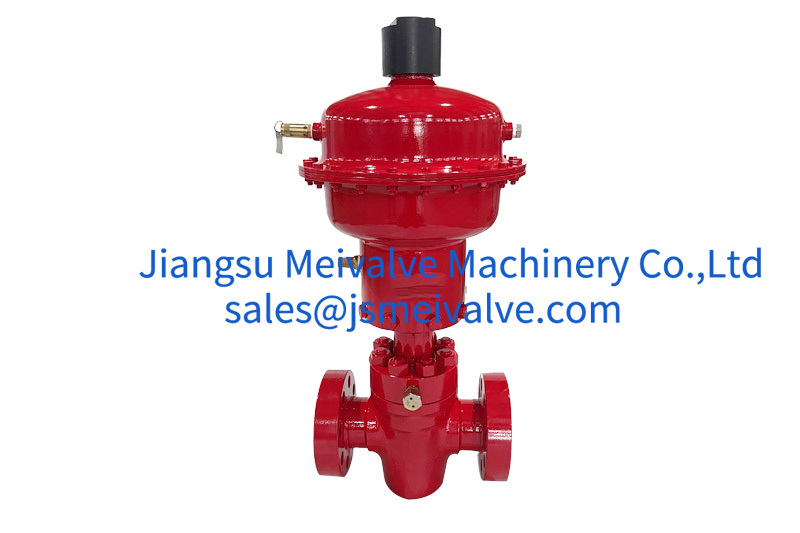
Surface safety valves are designed to automatically release excess pressure from a system, thus preventing overpressure conditions that could lead to equipment failures or hazardous events. They operate under specific conditions and require operators to have a thorough understanding of their mechanics and functionalities. Key aspects include:
2.1 Types of Surface Safety Valves
There are different types of surface safety valves, including:
- **Conventional Safety Valves**: Used in various applications for their reliability and straightforward design.
- **Pilot-Operated Safety Valves**: Offer greater precision and can handle higher pressures, making them suitable for more demanding environments.
2.2 How Surface Safety Valves Work
At their core, surface safety valves respond to pressure changes within a system. When pressure exceeds a predetermined limit, the valve opens, allowing excess pressure to escape. This operation is crucial in preventing potential hazards.
3. The Importance of Training for Surface Safety Valve Operation
Training for surface safety valve operation is imperative for several reasons:
3.1 Enhancing Safety Awareness
Proper training raises awareness regarding safety protocols and risks associated with improper valve operation. Personnel who are well-informed about the specifics of SSVs are less likely to make critical errors that could lead to accidents.
3.2 Optimizing Operational Efficiency
Trained operators understand the best practices for managing surface safety valves, which can lead to improved operational efficiency. Knowledge about routine checks, maintenance, and timely interventions can minimize downtime and enhance productivity.
3.3 Compliance with Industry Standards
Many industries are governed by strict regulations. Comprehensive training ensures that operators are familiar with these standards, reducing the risk of non-compliance and potential legal repercussions.
4. Key Elements of Effective Training Programs
An effective training program for surface safety valve operation should encompass several critical elements:
4.1 Theoretical Knowledge
Operators must understand the theoretical foundations of how surface safety valves function, including the principles of pressure control and the mechanics behind valve operation.
4.2 Hands-on Training
Practical experience is crucial. Training programs should include hands-on sessions where operators can interact with surface safety valves, allowing them to apply their theoretical knowledge in real-world scenarios.
4.3 Simulation and Scenario-Based Learning
Utilizing simulation tools can enhance learning by allowing operators to experience various operational scenarios, including emergency situations, without the associated risks.
4.4 Regular Assessment and Certification
To ensure continued competency, regular assessments should be conducted. Certification informs employers and regulators that operators have met specific competency standards.
5. Best Practices in Surface Safety Valve Training
To maximize the effectiveness of training for surface safety valve operation, organizations should adopt these best practices:
5.1 Customized Training Programs
Tailoring training programs to meet the specific needs of your workforce and operational environment can significantly enhance learning outcomes. Consider the unique challenges faced by your team and adjust training content accordingly.
5.2 Utilizing Experienced Trainers
Engaging experienced instructors who have practical knowledge of surface safety valves can enrich the training experience. Their real-world insights can provide valuable context to theoretical concepts.
5.3 Implementing Continuous Learning Opportunities
Encouraging a culture of continuous learning helps keep operators informed about the latest technologies, regulations, and best practices related to surface safety valves.
6. Ensuring Operational Competence
Operational competence goes beyond initial training. It involves ongoing education and practical experience to ensure that operators can handle surface safety valves effectively.
6.1 Regular Refresher Courses
Periodic refresher courses can help reinforce learned concepts and introduce updates about new technologies or changes in regulations.
6.2 Mentorship Programs
Pairing less experienced operators with seasoned professionals creates a conducive learning environment where knowledge can be shared and practical skills can be developed.
6.3 Performance Monitoring
Monitoring operator performance through KPIs (Key Performance Indicators) can help identify areas where additional training may be necessary.
7. Regulatory Compliance and Safety Standards
Staying compliant with industry regulations is vital. Training for surface safety valve operation should align with national and international safety standards.
7.1 Understanding Regulatory Frameworks
Operators should be educated on the specific regulations that govern their industry. This includes understanding the role of organizations such as OSHA (Occupational Safety and Health Administration) or API (American Petroleum Institute).
7.2 Documenting Training and Compliance
Maintaining thorough documentation of training sessions and compliance measures is essential for audits and inspections. This documentation serves as evidence of due diligence in safety training.
8. Developing an Effective Training Program
Creating a training program for surface safety valve operation involves several steps:
8.1 Assessing Training Needs
Begin with a needs assessment to identify the specific training requirements based on job roles, existing knowledge, and regulatory requirements.
8.2 Designing Engaging Curriculum
The curriculum should be engaging and practical, combining theoretical knowledge with hands-on experience. Incorporate multimedia resources to cater to different learning styles.
8.3 Implementing the Training Program
Once the curriculum is designed, implement the training program while ensuring that it is accessible to all relevant personnel.
8.4 Evaluating Training Effectiveness
Following the training, gather feedback from participants and assess the effectiveness of the program. Use this feedback to make necessary adjustments for future training sessions.
9. Conclusion
Training for surface safety valve operation is an indispensable aspect of industrial safety and efficiency. By investing in comprehensive and ongoing training programs, organizations can ensure that their personnel are well-equipped to manage these critical devices responsibly. From enhancing safety awareness and compliance with regulatory standards to optimizing operational efficiency, the importance of training cannot be overstated. It is not merely an investment in skills but a commitment to maintaining a safe and productive working environment.
10. FAQs
10.1 What is a surface safety valve?
A surface safety valve is a device designed to automatically release excess pressure from a system to prevent overpressure conditions.
10.2 Why is training important for operating surface safety valves?
Training is essential to ensure that operators understand safety protocols, operational practices, and regulatory requirements related to surface safety valves.
10.3 What should a training program for surface safety valves include?
A training program should include theoretical knowledge, hands-on training, scenario-based learning, and regular assessments.
10.4 How often should refresher courses be conducted?
Refresher courses should be conducted regularly, typically every year or whenever there are significant updates in technology or regulations.
10.5 What are the consequences of improper training in valve operation?
Improper training can lead to operational errors, safety incidents, non-compliance with regulations, and significant financial and reputational damage to organizations.
Hot Tags:
PREVIOUS:


Contact Us
E-mail:
sales@jsmeivalve.com
Phone:
+86-15900826755
Address:
No. 888 Jiatong Road, Jianhu County Economic Development Zone, Yancheng City, Jiangsu Province



中企跨境-全域组件
制作前进入CSS配置样式
WhatsApp:
邮箱:
电话:
屏蔽页面上图片的alt/title提示
图片alt标题设置: MeiValve Machinery
CSS / JS 文件放置地