
Wellhead Expanding Gate Valves vs. Traditional Gate Valves: Which is Better?
Jan 17,2026
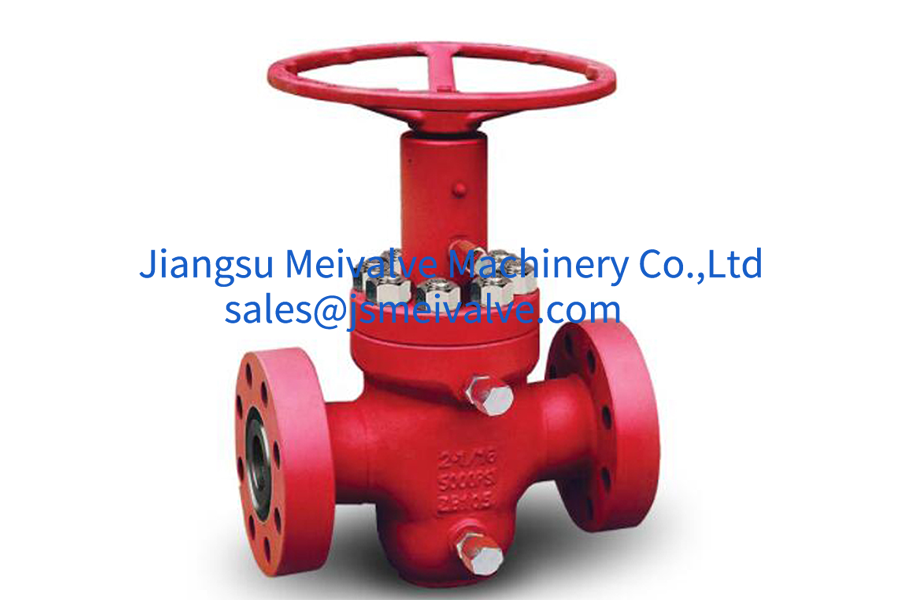
Wellhead Expanding Gate Valves vs. Traditional Gate Valves: Which is Better?
In the industrial sector, valves are essential components that regulate the flow of fluids. Among the different types of valves, Wellhead Expanding Gate Valves and Traditional Gate Valves have emerged as two prominent options, each offering unique features and benefits. In this article, we will conduct a thorough comparison of these two valve types, examining their functionalities, advantages, disadvantages, and specific applications to help you determine which is better suited for your needs.
Table of Contents
- 1. Introduction to Valves in Industrial Applications
- 2. Understanding Different Types of Valves
- 3. What are Wellhead Expanding Gate Valves?
- 4. Advantages of Wellhead Expanding Gate Valves
- 5. Disadvantages of Wellhead Expanding Gate Valves
- 6. What are Traditional Gate Valves?
- 7. Advantages of Traditional Gate Valves
- 8. Disadvantages of Traditional Gate Valves
- 9. Application Comparison: When to Use Each Valve
- 10. Maintenance Considerations for Both Valve Types
- 11. Conclusion
- 12. FAQs
1. Introduction to Valves in Industrial Applications
Valves play a pivotal role in industrial processes, controlling the flow of fluids such as water, oil, gas, and chemicals. They are vital in maintaining operational efficiency, safety, and reliability. Depending on the application and specific requirements, various types of valves are employed, with Wellhead Expanding Gate Valves and Traditional Gate Valves being two of the most commonly used. Understanding their functionalities and characteristics is essential for selecting the right valve for any industrial application.
2. Understanding Different Types of Valves
When navigating the world of valves, it is essential to understand the key differences between valve types. Common categories include ball valves, butterfly valves, globe valves, and gate valves. Gate valves, in particular, are widely used for on/off control in pipelines and are known for their ability to provide minimal flow resistance when fully open. Within this category, we find Wellhead Expanding Gate Valves and Traditional Gate Valves, each designed with distinct functionalities and applications.
3. What are Wellhead Expanding Gate Valves?
Wellhead Expanding Gate Valves are specialized valves designed primarily for wellhead applications in the oil and gas industry. These valves feature a unique mechanism where the gate expands to create a seal, thus ensuring a reliable shut-off in high-pressure environments. The design allows for greater control of flow rates, making them ideal for critical operations where safety and precision are paramount.
3.1 Key Features of Wellhead Expanding Gate Valves
- **Expanding Gate Mechanism**: Enhances sealing capabilities to withstand high pressure.
- **Robust Construction**: Typically made from high-grade materials, ensuring durability and reliability.
- **Minimal Leakage**: The design reduces the risk of fluid leakage, which is crucial in wellhead applications.
- **Ease of Maintenance**: Designed for easy access, facilitating regular maintenance checks.
4. Advantages of Wellhead Expanding Gate Valves
Choosing Wellhead Expanding Gate Valves offers several advantages that make them stand out in industrial applications:
4.1 High-Pressure Performance
These valves excel in high-pressure environments, making them ideal for wellhead applications where pressure fluctuations are common. Their ability to maintain integrity under pressure ensures operational safety.
4.2 Reliability and Safety
With a robust sealing mechanism, Wellhead Expanding Gate Valves significantly reduce the risk of leakage, enhancing workplace safety. This feature is crucial when dealing with volatile substances.
4.3 Versatility
These valves can be adapted for various applications within the oil and gas industry, showcasing their versatility and wide-ranging functionality.
5. Disadvantages of Wellhead Expanding Gate Valves
While Wellhead Expanding Gate Valves have numerous advantages, they also come with certain drawbacks that must be considered:
5.1 Higher Initial Cost
The specialized design and materials used in Wellhead Expanding Gate Valves can lead to a higher upfront investment compared to traditional valve types.
5.2 Complexity in Design
The advanced mechanism may require more specialized training for personnel to operate and maintain effectively.
6. What are Traditional Gate Valves?
Traditional Gate Valves are among the oldest types of valves used in industrial applications. They operate by raising or lowering a gate to control fluid flow. These valves are primarily used in on/off service applications, providing a simple and effective flow control solution.
6.1 Characteristics of Traditional Gate Valves
- **Simple Design**: Easier to manufacture and install due to their straightforward mechanics.
- **Cost-Effective**: Generally lower upfront costs compared to specialized valve types.
- **Wide Availability**: Readily available in various sizes and configurations.
7. Advantages of Traditional Gate Valves
Traditional Gate Valves are popular for several reasons, including:
7.1 Affordability
With lower production costs, Traditional Gate Valves offer a cost-effective solution for many applications. This affordability makes them a common choice for industries with tighter budgets.
7.2 Simplicity and Familiarity
The simple design and well-established functionality of Traditional Gate Valves make them easy to understand, operate, and maintain.
7.3 Availability and Variety
These valves are widely available, offering a range of sizes and materials suitable for various applications, ensuring flexibility in selection.
8. Disadvantages of Traditional Gate Valves
Despite their benefits, Traditional Gate Valves have limitations:
8.1 Limited Pressure Resistance
Traditional Gate Valves are not ideal for high-pressure applications, as they may not provide the necessary sealing capability to prevent leakage.
8.2 Susceptibility to Wear
Due to their design, Traditional Gate Valves can experience wear and tear over time, especially if used frequently, which may reduce their lifespan.
9. Application Comparison: When to Use Each Valve
Choosing between Wellhead Expanding Gate Valves and Traditional Gate Valves largely depends on the specific application requirements. Here, we compare the two:
9.1 Wellhead Applications
In wellhead applications, where high pressure and safety are paramount, Wellhead Expanding Gate Valves are the preferred choice. Their robust sealing and reliability make them suitable for managing hydrocarbon production effectively.
9.2 General Industrial Applications
For general fluid control in pipelines where pressure is not a primary concern, Traditional Gate Valves can be sufficient. They offer a reliable and cost-effective solution for various industries, including water supply and wastewater management.
10. Maintenance Considerations for Both Valve Types
Proper maintenance is essential for ensuring the longevity and performance of both Wellhead Expanding Gate Valves and Traditional Gate Valves:
10.1 Maintenance for Wellhead Expanding Gate Valves
Regular inspections and maintenance checks are crucial to identify any signs of wear or damage. It is essential to ensure that the expanding mechanism operates smoothly to maintain the valve's sealing capability.
10.2 Maintenance for Traditional Gate Valves
Traditional Gate Valves require periodic maintenance to address any wear on the gate and seating surfaces. Lubrication and inspection for corrosion or blockages are essential to ensure optimal operation.
11. Conclusion
In the debate of **Wellhead Expanding Gate Valves vs. Traditional Gate Valves**, the best choice ultimately depends on the specific application and operational requirements. Wellhead Expanding Gate Valves excel in high-pressure environments, providing unmatched reliability and safety, albeit at a higher cost. On the other hand, Traditional Gate Valves offer affordability and simplicity, making them suitable for general use where pressure is not a critical factor. By weighing the advantages and disadvantages of each type, you can make an informed decision that aligns with your operational needs and budget considerations.
12. FAQs
What is the main difference between Wellhead Expanding Gate Valves and Traditional Gate Valves?
The primary difference lies in their sealing mechanisms and pressure capabilities; Wellhead Expanding Gate Valves provide superior sealing under high-pressure conditions, while Traditional Gate Valves are simpler and more affordable.
Are Wellhead Expanding Gate Valves more expensive than Traditional Gate Valves?
Yes, Wellhead Expanding Gate Valves typically have a higher initial cost due to their specialized design and materials.
What applications are Wellhead Expanding Gate Valves best suited for?
These valves are ideal for wellhead operations in the oil and gas industry where high pressure and reliable sealing are crucial.
Can Traditional Gate Valves be used in high-pressure environments?
While they can handle moderate pressure, Traditional Gate Valves are not recommended for high-pressure applications due to their limited sealing capabilities.
How often should maintenance be performed on these valves?
Regular maintenance checks should be performed based on the manufacturer's recommendations and the operational environment, typically at least once a year for both types of valves.
Hot Tags:
PREVIOUS:


Contact Us
E-mail:
sales@jsmeivalve.com
Phone:
+86-15900826755
Address:
No. 888 Jiatong Road, Jianhu County Economic Development Zone, Yancheng City, Jiangsu Province



WhatsApp:
邮箱:
电话:
屏蔽页面上图片的alt/title提示
图片alt标题设置: MeiValve Machinery
CSS / JS 文件放置地