
Future Trends in Surface Safety Valve Development and Design: Innovations and Insights
Jan 21,2026
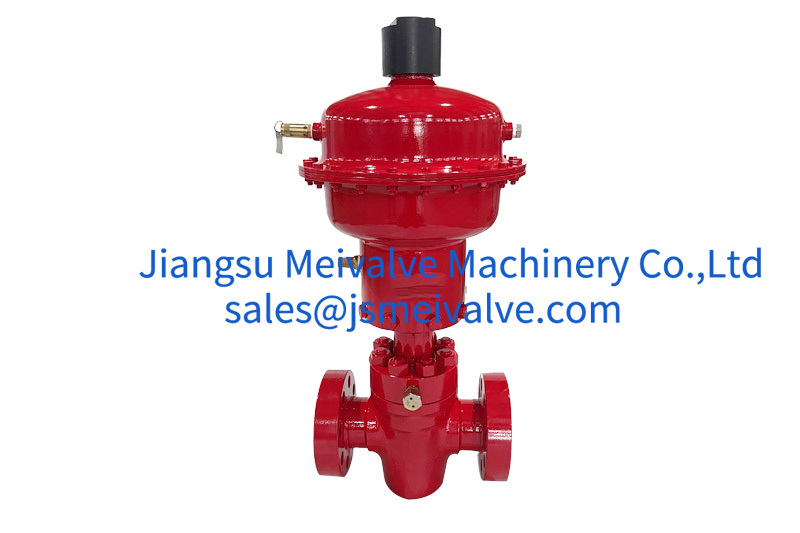
Future Trends in Surface Safety Valve Development and Design
Table of Contents
- 1. Introduction to Surface Safety Valves
- 2. The Importance of Safety Valves in Industrial Applications
- 3. Current Trends in Surface Safety Valve Development
- 4. Technological Advancements Shaping the Future
- 5. Regulatory Compliance and Industry Standards
- 6. Future Challenges in Safety Valve Design
- 7. Key Design Considerations for Future Safety Valves
- 8. Conclusion
- 9. Frequently Asked Questions
1. Introduction to Surface Safety Valves
Surface safety valves (SSVs) are critical components in industrial settings, designed to protect equipment and personnel from excessive pressure. By automatically releasing pressure when it exceeds a predetermined limit, SSVs ensure safe operations across various applications, including oil and gas, chemical processing, and power generation. As industries evolve, so too do the designs and functionalities of these essential safety devices.
2. The Importance of Safety Valves in Industrial Applications
Safety valves play a pivotal role in maintaining operational integrity and preventing catastrophic failures. The significance of SSVs can be summarized as follows:
2.1 Protection Against Overpressure
Overpressure can lead to equipment damage, environmental hazards, and even loss of life. SSVs mitigate these risks by providing a fail-safe mechanism.
2.2 Enhancing Operational Efficiency
A correctly functioning safety valve can enhance process efficiency by maintaining optimal pressure levels, thereby contributing to overall productivity.
2.3 Regulatory Compliance
Many industries are subject to stringent regulations regarding pressure safety. Compliance with these regulations is facilitated by reliable safety valves.
3. Current Trends in Surface Safety Valve Development
As technology advances, several trends are emerging in SSV development that aim to improve safety, performance, and reliability.
3.1 Integration of Smart Technology
The integration of smart technology, including IoT sensors, is revolutionizing safety valve systems. These devices can monitor real-time performance, predict failures, and optimize maintenance schedules.
3.2 Material Innovations
The development of advanced materials, such as corrosion-resistant alloys and composites, is enhancing the durability and longevity of safety valves. These materials can withstand harsh environmental conditions and reduce maintenance costs.
3.3 Enhanced Testing Protocols
Current trends emphasize rigorous testing protocols to ensure the reliability of safety valves. Advanced simulation and modeling techniques are being adopted to predict valve behavior under various conditions.
4. Technological Advancements Shaping the Future
Several technological advancements are set to influence the design and functionality of surface safety valves in the coming years.
4.1 Automation and Control Systems
Automation is becoming increasingly prevalent in industrial processes. Automated safety valves can respond more quickly and accurately to pressure changes, significantly improving safety.
4.2 Data Analytics
Data analytics plays a crucial role in enhancing safety valve performance. By analyzing operational data, companies can make informed decisions regarding maintenance, upgrades, and replacements.
4.3 Predictive Maintenance
Predictive maintenance strategies, powered by machine learning, are becoming essential. These strategies can significantly reduce downtime and extend the lifespan of safety valves by addressing potential issues before they escalate.
5. Regulatory Compliance and Industry Standards
Compliance with industry standards is fundamental in the design and application of surface safety valves. Various international and national standards govern safety valve performance, including the ASME Boiler and Pressure Vessel Code and API standards.
5.1 Understanding Regulatory Frameworks
Professionals in the field must stay abreast of evolving regulatory frameworks to ensure that their designs comply with the latest safety standards.
5.2 Impact of Regulations on Design
Regulatory compliance often drives design innovations. As standards evolve, manufacturers must adapt their designs to meet new requirements.
6. Future Challenges in Safety Valve Design
Despite advancements, several challenges remain in the development of surface safety valves.
6.1 Balancing Cost and Safety
Manufacturers face the challenge of balancing the cost of advanced materials and technologies with the need for robust safety measures.
6.2 Addressing Environmental Concerns
As industries become more environmentally conscious, safety valve designs must consider potential environmental impacts, including emissions and waste.
6.3 Customization for Diverse Applications
Different industries have unique requirements for safety valves. The challenge lies in creating versatile designs that cater to a wide range of applications.
7. Key Design Considerations for Future Safety Valves
When developing future safety valves, several key design considerations must be addressed.
7.1 Pressure Range and Specifications
Designs must cater to specific pressure ranges and specifications to meet the operational demands of various applications.
7.2 Reliability and Durability
Reliability is paramount in safety valve design. Engineers must ensure that valves can withstand operational stresses over extended periods.
7.3 Maintenance Accessibility
Future designs should facilitate easy maintenance and inspection, reducing downtime and improving overall efficiency.
8. Conclusion
The future of surface safety valve development and design is marked by innovation, technological advancements, and an unwavering focus on safety and efficiency. As industries evolve, the integration of smart technologies, advanced materials, and rigorous regulatory standards will continue to shape the landscape of safety valves. By addressing current challenges and embracing future opportunities, manufacturers can develop safety valves that not only meet but exceed the expectations of modern industrial applications.
9. Frequently Asked Questions
Q1: What is a surface safety valve?
A: A surface safety valve is a type of valve designed to automatically release pressure when it exceeds a set limit, ensuring safe operation in various industrial applications.
Q2: Why are safety valves crucial in industrial settings?
A: Safety valves are essential for protecting equipment and personnel from overpressure, enhancing operational efficiency, and ensuring compliance with regulatory standards.
Q3: How do technological advancements impact safety valve design?
A: Technological advancements, such as IoT integration and data analytics, improve the performance and reliability of safety valves, allowing for predictive maintenance and enhanced monitoring.
Q4: What are the main challenges in safety valve design?
A: Key challenges include balancing cost with safety, addressing environmental concerns, and customizing valves for diverse applications.
Q5: How can safety valves be maintained effectively?
A: Regular inspections and employing predictive maintenance strategies can help ensure the reliable performance and longevity of safety valves.
Hot Tags:
PREVIOUS:


Contact Us
E-mail:
sales@jsmeivalve.com
Phone:
+86-15900826755
Address:
No. 888 Jiatong Road, Jianhu County Economic Development Zone, Yancheng City, Jiangsu Province



中企跨境-全域组件
制作前进入CSS配置样式
WhatsApp:
邮箱:
电话:
屏蔽页面上图片的alt/title提示
图片alt标题设置: MeiValve Machinery
CSS / JS 文件放置地