Why Every Industrial Facility Needs a Surface Safety Valve: A Comprehensive Guide
Feb 02,2026
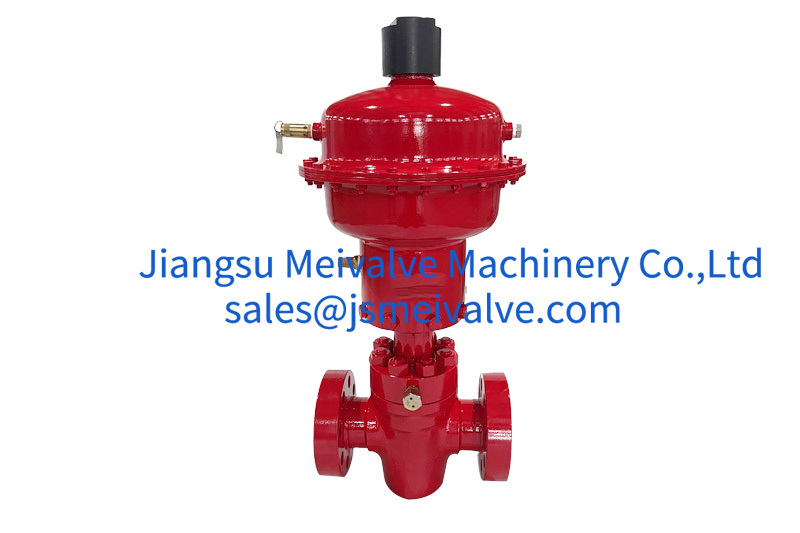
Why Every Industrial Facility Needs a Surface Safety Valve
Table of Contents
- What is a Surface Safety Valve?
- The Importance of Surface Safety Valves in Industry
- How Surface Safety Valves Work
- Types of Surface Safety Valves
- Applications of Surface Safety Valves in Various Industries
- Benefits of Implementing Surface Safety Valves
- Maintenance and Inspection of Surface Safety Valves
- Regulatory Compliance and Safety Standards for Surface Safety Valves
- Conclusion
- Frequently Asked Questions
What is a Surface Safety Valve?
A **surface safety valve** is a critical component in industrial systems, designed to protect equipment and personnel from the risks associated with excessive pressure. Typically installed as part of a pressure relief system, these valves automatically release pressure when it exceeds a predetermined level, ensuring that systems operate within safe parameters. In layman's terms, a surface safety valve acts as a defense mechanism, preventing catastrophic failures that could lead to explosions or leaks.
The Importance of Surface Safety Valves in Industry
In an industrial facility, safety is paramount. The presence of **surface safety valves** is crucial for several reasons:
1. **Risk Mitigation**: These valves significantly reduce the risk of equipment failure caused by overpressure, protecting both machinery and personnel.
2. **Operational Efficiency**: By maintaining optimal pressure levels, surface safety valves enhance the overall efficiency of industrial processes.
3. **Compliance**: Many industries are subject to stringent regulations regarding safety equipment; surface safety valves help ensure compliance with these standards.
The increasing complexity of industrial operations necessitates robust safety measures. Surface safety valves meet these needs, providing peace of mind and securing the operational integrity of facilities.
How Surface Safety Valves Work
Surface safety valves operate based on a straightforward principle: they open automatically when pressure exceeds a specified limit. Here's a closer look at their functionality:
- **Pressure Detection**: The valve is equipped with a sensing mechanism that continuously monitors pressure levels within a system.
- **Automatic Actuation**: When pressure reaches a critical point, the valve opens, allowing excess pressure to escape, typically through an exhaust port.
- **Reset Mechanism**: Once the pressure drops back to a safe level, the valve automatically resets itself, ready to operate again if necessary.
This automatic functionality ensures that the valve responds promptly to pressure changes, minimizing the risk of accidents.
Types of Surface Safety Valves
There are various types of surface safety valves, each designed for specific applications and environments. Key types include:
1. **Spring-Loaded Safety Valves**: These are the most common and utilize a spring mechanism to hold the valve closed until the set pressure is reached.
2. **Pilot-Operated Safety Valves**: These valves use a pilot to control the main valve, allowing for more precise pressure regulation.
3. **Balanced Safety Valves**: Designed to reduce the effect of back pressure, balanced safety valves are suitable for applications where pressure fluctuations are common.
Understanding the different types enables industries to select the right valve for their specific needs, ensuring maximum safety and efficiency.
Applications of Surface Safety Valves in Various Industries
Surface safety valves find applications across numerous industries, including:
- **Oil and Gas**: In this sector, surface safety valves are crucial for preventing blowouts in drilling operations.
- **Chemical Processing**: These valves protect against overpressure in reactors, ensuring safe handling of volatile substances.
- **Water Treatment**: In water treatment facilities, surface safety valves prevent excessive pressure buildup in pipelines, safeguarding infrastructure.
Their versatility makes surface safety valves an indispensable component in a wide range of applications, enhancing safety protocols across industries.
Benefits of Implementing Surface Safety Valves
Investing in quality surface safety valves offers numerous advantages:
1. **Enhanced Safety**: The primary benefit is the significant increase in safety for both personnel and equipment.
2. **Cost Efficiency**: By preventing catastrophic failures and minimizing downtime, surface safety valves can lead to significant cost savings.
3. **Regulatory Compliance**: Implementing these valves helps ensure that facilities meet safety regulations, avoiding potential fines and legal issues.
The long-term benefits of incorporating surface safety valves into industrial systems far outweigh the initial investment costs, making them a wise choice for any facility.
Maintenance and Inspection of Surface Safety Valves
Proper maintenance and inspection of surface safety valves are essential for ensuring their reliable operation. Key practices include:
- **Regular Testing**: Safety valves should be tested periodically to verify their functionality and ensure they open at the designated pressure.
- **Visual Inspections**: Routine inspections can help identify signs of wear, corrosion, or damage that may impair valve performance.
- **Documenting Maintenance**: Keeping detailed records of inspections and maintenance activities is crucial for compliance and operational audits.
Implementing a comprehensive maintenance schedule helps facilities avoid unexpected failures and ensures the longevity of safety valves.
Regulatory Compliance and Safety Standards for Surface Safety Valves
Adhering to regulatory compliance and safety standards is non-negotiable for industrial facilities. Various organizations, such as OSHA and ASME, provide guidelines on the installation and maintenance of safety valves. Meeting these standards not only enhances safety but also protects facilities from potential legal ramifications.
Facilities must stay informed about the latest regulations and ensure that their surface safety valves comply with industry standards. This proactive approach mitigates risks and fosters a culture of safety.
Conclusion
In conclusion, surface safety valves are not merely optional components in industrial settings; they are vital for ensuring safety, efficiency, and compliance. By understanding their functionality, benefits, and maintenance requirements, industrial facilities can create a safer work environment while optimizing operational performance. Investing in high-quality surface safety valves is a strategic decision that pays off in the long run, safeguarding both personnel and equipment.
Frequently Asked Questions
1. What is the primary function of a surface safety valve?
The primary function of a surface safety valve is to release excess pressure in a system to prevent potential equipment failure or catastrophic incidents.
2. How often should surface safety valves be tested?
Surface safety valves should be tested regularly, typically at least once a year, or as specified by industry regulations.
3. What are the consequences of not having a surface safety valve?
Without a surface safety valve, facilities risk equipment failure, explosions, and significant safety hazards for personnel.
4. Can surface safety valves be repaired?
Yes, surface safety valves can often be repaired, but regular maintenance is crucial to ensure their functionality.
5. What standards govern the use of surface safety valves?
Standards from organizations like OSHA and ASME outline the necessary guidelines for the installation, maintenance, and operation of surface safety valves.
By investing in and properly maintaining surface safety valves, industrial facilities can significantly enhance their safety protocols and operational efficiency.
Hot Tags:
PREVIOUS:


Contact Us
E-mail:
sales@jsmeivalve.com
Phone:
+86-15900826755
Address:
No. 888 Jiatong Road, Jianhu County Economic Development Zone, Yancheng City, Jiangsu Province



中企跨境-全域组件
制作前进入CSS配置样式
WhatsApp:
邮箱:
电话:
屏蔽页面上图片的alt/title提示
图片alt标题设置: MeiValve Machinery
CSS / JS 文件放置地