Understanding the Critical Role of Surface Safety Valves in Oil and Gas Operations
Feb 12,2026
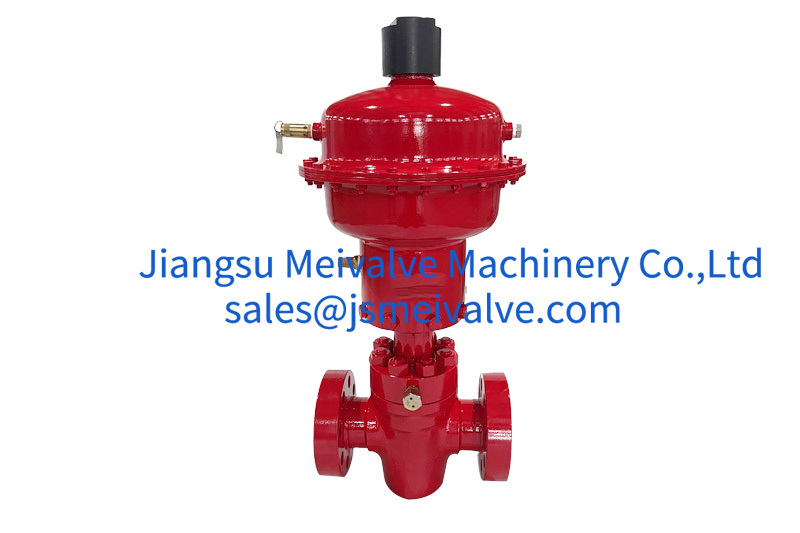
Understanding the Critical Role of Surface Safety Valves in Oil and Gas Operations
Surface safety valves (SSVs) play an integral role in ensuring the safety and efficiency of oil and gas operations. As the industry evolves, so does the technology and design surrounding these vital components. This article offers an in-depth look at the significance of SSVs, their operational mechanics, and the best practices for their implementation and maintenance.
Table of Contents
1. Introduction to Surface Safety Valves
2. The Importance of Surface Safety Valves in Oil and Gas
3. Design Features of Surface Safety Valves
4. How Surface Safety Valves Operate
5. Types of Surface Safety Valves Used in the Industry
6. Maintenance Best Practices for Surface Safety Valves
7. Recent Technological Advancements in SSVs
8. Case Studies: SSVs in Action
9. Conclusion
10. Frequently Asked Questions
Introduction to Surface Safety Valves
Surface safety valves are critical safety devices designed to protect oil and gas facilities from overpressure scenarios. These valves are typically installed on the wellhead and function as the first line of defense against uncontrolled pressure surges. In an industry where safety is paramount, understanding the design, operation, and maintenance of SSVs is essential for professionals involved in oil and gas operations.
The Importance of Surface Safety Valves in Oil and Gas
The oil and gas industry operates under high-pressure conditions, making it essential to have robust safety measures in place. Surface safety valves serve multiple purposes:
- **Preventing Catastrophic Failures**: By automatically closing during emergencies, SSVs prevent the release of hazardous materials.
- **Protecting Personnel**: Safety valves safeguard workers by minimizing the risk of accidents and explosions.
- **Enhancing Operational Efficiency**: By maintaining optimal pressure levels, SSVs contribute to the overall efficiency of production processes.
Regulatory Compliance
Surface safety valves also play a vital role in regulatory compliance. Oil and gas companies must adhere to strict safety standards to avoid fines and ensure continued operation. Properly functioning SSVs are essential in meeting these regulatory requirements.
Design Features of Surface Safety Valves
Surface safety valves are engineered with several key design features that enhance their safety and operational performance:
- **Robust Construction**: SSVs are typically made from high-strength materials that can withstand extreme pressures and temperatures.
- **Fail-Safe Mechanisms**: Many SSVs incorporate fail-safe features, ensuring they operate correctly even in the event of power failure.
- **User-Friendly Interfaces**: Modern SSVs often come equipped with digital interfaces, allowing operators to monitor performance easily.
Materials Used in SSV Construction
The choice of materials in SSV construction is crucial for durability and reliability. Common materials include:
- **Stainless Steel**: Known for its corrosion resistance, making it ideal for harsh environments.
- **Carbon Steel**: Offers strength and durability, often used in high-pressure applications.
How Surface Safety Valves Operate
The operation of surface safety valves is straightforward yet crucial for safety:
1. **Pressure Monitoring**: SSVs constantly monitor the pressure within the system.
2. **Automatic Closure**: When pressure exceeds predetermined levels, the valve automatically closes, preventing the flow of fluids.
3. **Reset Mechanism**: Once the pressure stabilizes, the valve can be reset to resume normal operations.
Control Systems
Many modern SSVs are integrated with sophisticated control systems, enabling remote monitoring and control. This technology allows for real-time data collection, which enhances decision-making processes.
Types of Surface Safety Valves Used in the Industry
There are several types of surface safety valves deployed in oil and gas operations:
- **Hydraulic Safety Valves**: Operated by hydraulic pressure, these valves provide reliable performance under varying conditions.
- **Spring-Loaded Safety Valves**: Utilizing a spring mechanism, these valves are known for their quick response times.
- **Electronic Safety Valves**: Equipped with electronic control systems, these valves allow for advanced monitoring and automation.
Choosing the Right SSV
Selecting the appropriate surface safety valve depends on various factors, including:
- **Operating Pressure**: The valve must be rated for the specific pressure conditions of the operation.
- **Fluid Characteristics**: Different fluids may require different valve materials and designs to prevent corrosion or blockages.
Maintenance Best Practices for Surface Safety Valves
Regular maintenance is essential to ensure the effective operation of surface safety valves. Here are some best practices:
- **Routine Inspections**: Conduct regular checks to identify any signs of wear or malfunction.
- **Calibration**: Ensure that the valves are calibrated according to manufacturer specifications.
- **Documentation**: Keep detailed records of maintenance activities, inspections, and repairs.
Common Maintenance Challenges
Maintaining SSVs can present challenges, including:
- **Corrosion**: Exposure to harsh environmental conditions can lead to corrosion, requiring replacement or repairs.
- **Leakages**: Seal failures can result in leaks, necessitating immediate attention to prevent hazardous situations.
Recent Technological Advancements in SSVs
The field of surface safety valves has seen significant advancements in recent years:
- **Smart Valves**: Incorporating IoT technology, smart SSVs provide real-time data analytics, enhancing operational efficiency.
- **Enhanced Materials**: The development of new materials improves the durability and longevity of safety valves.
Benefits of Advanced Technologies
The integration of technology into SSVs offers numerous benefits, including:
- **Increased Reliability**: Advanced diagnostics help predict failures before they occur.
- **Improved Safety**: Enhanced monitoring systems contribute to safer operations.
Case Studies: SSVs in Action
Real-world examples illustrate the importance of surface safety valves in oil and gas operations. For instance:
- A major offshore drilling platform experienced a pressure surge that triggered the SSVs, successfully preventing a blowout.
- In another case, a land-based operation implemented advanced SSVs, resulting in a 30% reduction in unplanned shutdowns.
Conclusion
Surface safety valves are indispensable components of oil and gas operations, providing essential safety measures and enhancing operational efficiency. Understanding their design, functionality, and maintenance ensures that industry professionals can effectively manage risks associated with high-pressure environments. As technology continues to advance, staying informed about the latest developments in SSVs will be crucial for optimizing safety and productivity in the oil and gas sector.
Frequently Asked Questions
**1. What is a surface safety valve?**
A surface safety valve is a safety device installed on oil and gas wells to prevent overpressure situations by automatically closing when pressure exceeds a predetermined limit.
**2. How often should surface safety valves be inspected?**
Routine inspections should be conducted at regular intervals, typically every six months, or as specified by regulatory guidelines.
**3. What causes surface safety valves to fail?**
Common causes of SSV failure include corrosion, physical damage, and improper calibration.
**4. Are there regulations governing the use of surface safety valves?**
Yes, regulatory bodies set specific standards for the design, installation, and maintenance of surface safety valves to ensure safety in oil and gas operations.
**5. Can surface safety valves be retrofitted with advanced technology?**
Yes, many modern SSVs can be upgraded with advanced monitoring and control systems to improve safety and operational efficiency.
Hot Tags:
PREVIOUS:


Contact Us
E-mail:
sales@jsmeivalve.com
Phone:
+86-15900826755
Address:
No. 888 Jiatong Road, Jianhu County Economic Development Zone, Yancheng City, Jiangsu Province



中企跨境-全域组件
制作前进入CSS配置样式
WhatsApp:
邮箱:
电话:
屏蔽页面上图片的alt/title提示
图片alt标题设置: MeiValve Machinery
CSS / JS 文件放置地