Understanding Surface Safety Valves: Essential Components for Industrial Safety
Mar 06,2026
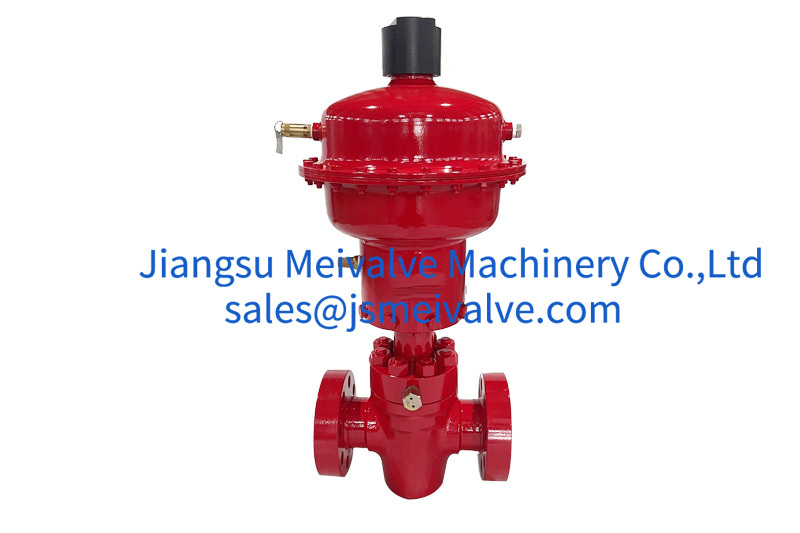
Surface Safety Valves (SSVs) play a pivotal role in maintaining safety within various industrial applications, particularly in oil and gas extraction, chemical processing, and other high-pressure environments. These valves are designed to protect equipment, personnel, and the environment by preventing the release of hazardous substances during unforeseen incidents, such as overpressure situations.
The primary function of a Surface Safety Valve is to automatically close in the event of a preset pressure being exceeded, thereby preventing the escape of fluids or gases. This automatic shut-off mechanism is crucial for preventing blowouts and ensuring compliance with safety regulations. SSVs are typically installed at strategic locations within production systems, such as wellheads or pipelines, to provide immediate response in case of an emergency.
When discussing the operation of Surface Safety Valves, it is essential to understand the mechanics of how they function. SSVs are equipped with a spring-loaded design that responds to pressure changes. When the pressure within the system rises above a certain threshold, the force exerted by the fluid on the valve disc overcomes the spring’s resistance, causing the valve to open. This allows for the controlled release of pressure, which is vital for safeguarding the integrity of the system.
Another critical aspect of Surface Safety Valves is their maintenance and testing protocols. Regular inspection and testing of these valves are necessary to ensure their reliability and functionality. Operators should adhere to manufacturer recommendations and industry standards for maintenance schedules. This includes checking for signs of wear, corrosion, or blockage that could impair the valve's performance. Implementing a robust testing regime not only helps in identifying potential issues early on but also ensures that the valves will perform as intended during an emergency.
Moreover, the selection of the appropriate Surface Safety Valve for a specific application involves considering various factors, including the type of media being handled (liquid or gas), the operating pressure, and environmental conditions. Evaluating these parameters is critical for determining the right valve design and materials, which can significantly impact performance and longevity.
In summary, Surface Safety Valves are indispensable in the industrial sector, providing essential protection against potential hazards associated with high-pressure systems. Understanding their operation, maintenance requirements, and selection criteria is crucial for ensuring safety and compliance in any industrial setting. By prioritizing these safety devices, companies can safeguard their operations and contribute to a safer working environment for all.
Hot Tags:
PREVIOUS:


Contact Us
E-mail:
sales@jsmeivalve.com
Phone:
+86-15900826755
Address:
No. 888 Jiatong Road, Jianhu County Economic Development Zone, Yancheng City, Jiangsu Province



中企跨境-全域组件
制作前进入CSS配置样式
WhatsApp:
邮箱:
电话:
屏蔽页面上图片的alt/title提示
图片alt标题设置: MeiValve Machinery
CSS / JS 文件放置地