The Critical Role of Surface Safety Valves in Mitigating Catastrophic Failures
Mar 11,2026
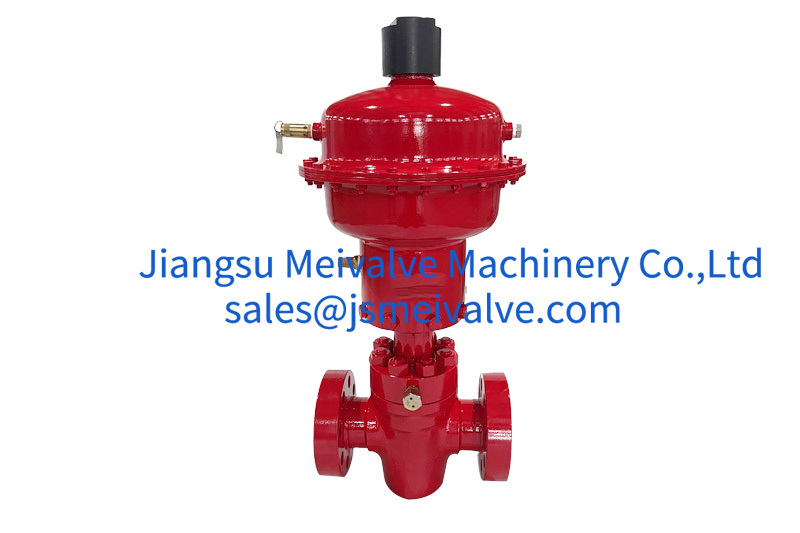
The Critical Role of Surface Safety Valves in Mitigating Catastrophic Failures
Table of Contents
- 1. Introduction to Surface Safety Valves
- 2. What Are Surface Safety Valves?
- 3. Why Surface Safety Valves Are Crucial for Safety
- 4. How Surface Safety Valves Work
- 5. Applications of Surface Safety Valves in Various Industries
- 6. Best Practices for Maintaining Surface Safety Valves
- 7. Regulatory Compliance and Standards
- 8. The Future of Surface Safety Valves in Industrial Applications
- 9. Frequently Asked Questions
- 10. Conclusion
1. Introduction to Surface Safety Valves
In the industrial landscape, **safety** must always come first, particularly when dealing with high-pressure systems and hazardous materials. Surface safety valves are vital components designed to mitigate risks associated with potential overpressure scenarios. When integrated effectively into operational systems, these valves can significantly reduce the likelihood of catastrophic failures that could lead to devastating consequences including loss of life, environmental damage, and financial ruin.
2. What Are Surface Safety Valves?
Surface safety valves, commonly referred to as safety relief valves, are specialized devices used to protect pressure vessels and pipelines from exceeding their maximum allowable pressure limits. When the pressure reaches a predetermined level, these valves automatically open to release excess pressure, thus preventing explosions or structural damage. They serve as a last line of defense in protecting personnel, equipment, and the environment from the dangers associated with overpressure events.
3. Why Surface Safety Valves Are Crucial for Safety
The importance of surface safety valves cannot be overstated. They play a crucial role in:
- **Preventing Explosions**: By releasing excess pressure, surface safety valves help prevent conditions that could lead to explosions, safeguarding both workers and surrounding communities.
- **Enhancing Operational Efficiency**: Properly functioning safety valves contribute to the optimal performance of pressure systems, ensuring that they operate within safe limits and avoiding costly downtime.
- **Regulatory Compliance**: Many industries are subject to stringent safety regulations. Surface safety valves help organizations comply with these regulations, minimizing liability risks and ensuring safe operational practices.
- **Protecting Equipment**: By controlling pressure levels, these valves protect equipment from damage that could result in expensive repairs or replacements.
4. How Surface Safety Valves Work
Understanding how surface safety valves operate is crucial for appreciating their significance in safety systems. Here's a breakdown of their operation:
4.1 Basic Components
Surface safety valves typically consist of several key components:
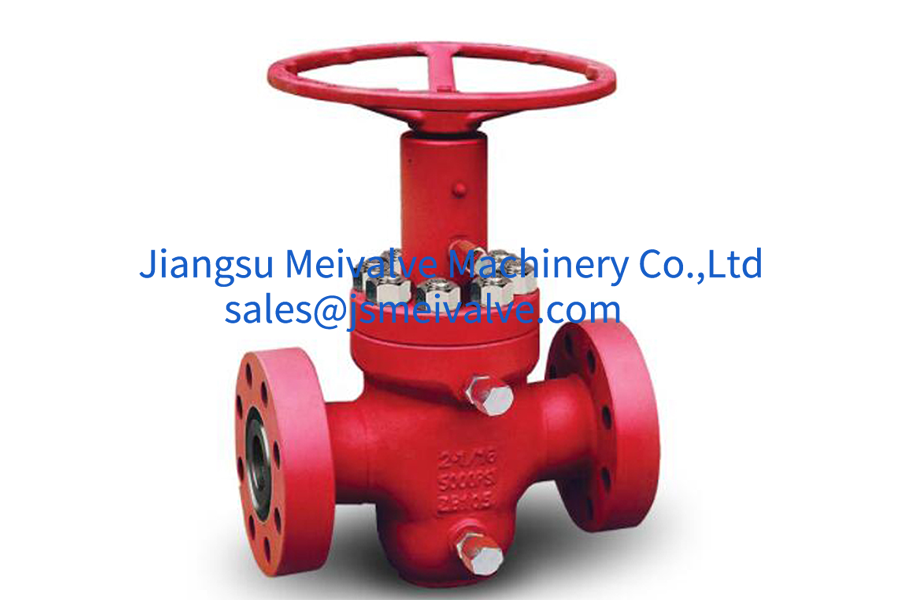
- **Body**: The main structure that houses the internal mechanisms.
- **Spring**: Provides resistance against the force exerted by internal pressure. The spring's tension is calibrated to a specific pressure setting.
- **Disc**: Seals the valve. When pressure exceeds the spring's set point, the disc lifts off its seat.
- **Outlet**: Where the excess pressure is released.
4.2 Activation Process
1. **Pressure Build-Up**: As pressure increases within the system, it exerts force on the valve's disc.
2. **Spring Compression**: When the pressure reaches the valve's set point, it compresses the spring.
3. **Valve Opening**: The pressure force overcomes the spring tension, causing the disc to lift and allowing pressure to escape through the outlet.
4. **Pressure Release**: Excess pressure is reduced until it drops below the set point, at which stage the valve closes, resealing the system.
5. Applications of Surface Safety Valves in Various Industries
Surface safety valves find applications across multiple industries, underscoring their versatility and importance. Here are some key sectors:
5.1 Oil and Gas Industry
In oil and gas extraction, the risk of overpressure is significant. Surface safety valves are employed in drilling rigs and production facilities to prevent blowouts and manage pressure surges.
5.2 Chemical Processing
Chemical plants utilize surface safety valves to protect reactors and storage vessels. These valves ensure that pressure remains within safe limits when handling volatile substances.
5.3 Power Generation
In power plants, surface safety valves are critical in steam generation systems. They help maintain safe operating conditions in boilers and turbines, preventing dangerous pressure buildups.
5.4 Water Treatment Facilities
Surface safety valves are used to safeguard water treatment plants. They help control pressure in pipelines and tanks, ensuring safe operation while processing large volumes of water.
6. Best Practices for Maintaining Surface Safety Valves
Regular maintenance of surface safety valves is essential for ensuring their reliability and effectiveness. Here are some best practices:
6.1 Routine Inspections
Conduct regular inspections to check for signs of wear and tear. This includes examining the valve body, seat, and spring for any damage or corrosion.
6.2 Functional Testing
Perform functional tests periodically to ensure the valves operate at their designated set pressures. Testing should simulate actual operating conditions.
6.3 Cleaning and Lubrication
Keep valves clean and free of debris. Lubricate moving parts as required to maintain smooth operation and prevent malfunction.
7. Regulatory Compliance and Standards
Compliance with industry standards is vital for the safe operation of surface safety valves. Organizations must adhere to regulations set forth by bodies such as the American Society of Mechanical Engineers (ASME) and the Occupational Safety and Health Administration (OSHA). Regular audits and certifications ensure that safety valves meet the required specifications and performance criteria.
8. The Future of Surface Safety Valves in Industrial Applications
As industries evolve, the design and functionality of surface safety valves are likely to undergo significant advancements. Innovations in materials and technology will enable higher pressure tolerances, enhanced durability, and improved responsiveness. Moreover, with the increasing emphasis on automation and smart technologies, future surface safety valves may incorporate IoT capabilities for real-time monitoring and predictive maintenance, further enhancing operational safety.
9. Frequently Asked Questions
9.1 What is the primary function of a surface safety valve?
The primary function of a surface safety valve is to release excess pressure from a system to prevent catastrophic failures such as explosions.
9.2 How often should surface safety valves be tested?
It is recommended to test surface safety valves at least once a year, or more frequently depending on the operational environment and manufacturer guidelines.
9.3 What industries use surface safety valves?
Surface safety valves are utilized in various industries, including oil and gas, chemical processing, power generation, and water treatment.
9.4 What are the signs that a surface safety valve needs maintenance?
Signs include visible corrosion, abnormal noises during operation, failure to open or close properly, and leaks around the valve body.
9.5 Are there regulations governing the use of surface safety valves?
Yes, regulatory bodies such as ASME and OSHA provide standards and guidelines that govern the design, installation, and maintenance of surface safety valves.
10. Conclusion
Surface safety valves are indispensable components in maintaining safe operational environments within industrial settings. Their ability to prevent catastrophic failures by regulating pressure ensures the safety of personnel, protects equipment, and adheres to regulatory compliance. As technology advances, the future of surface safety valves promises enhanced efficiency and reliability, making them more critical than ever in industrial operations. By prioritizing the proper maintenance and understanding of these safety devices, organizations can significantly mitigate risks associated with pressure systems and safeguard their operations against potential disasters.
Hot Tags:

Contact Us
E-mail:
sales@jsmeivalve.com
Phone:
+86-15900826755
Address:
No. 888 Jiatong Road, Jianhu County Economic Development Zone, Yancheng City, Jiangsu Province



中企跨境-全域组件
制作前进入CSS配置样式
WhatsApp:
邮箱:
电话:
屏蔽页面上图片的alt/title提示
图片alt标题设置: MeiValve Machinery
CSS / JS 文件放置地