
Understanding the Role of a Wellhead Tubing Head in Christmas Tree Assembly
Mar 25,2026
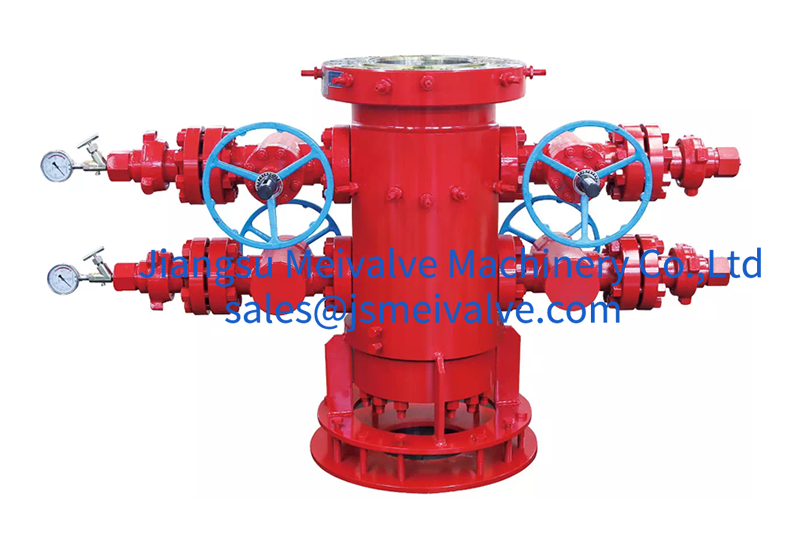
Understanding the Role of a Wellhead Tubing Head in Christmas Tree Assembly
Table of Contents
- Introduction to Wellhead Tubing Heads
- What is a Wellhead Tubing Head?
- Key Components of a Tubing Head
- Function of the Tubing Head in a Christmas Tree Assembly
- Importance of Tubing Heads in Oil and Gas Production
- Installation and Maintenance of Wellhead Tubing Heads
- Common Issues and Solutions with Tubing Heads
- Future of Wellhead Tubing Technology
- Conclusion
- Frequently Asked Questions
Introduction to Wellhead Tubing Heads
In the intricate world of oil and gas extraction, the **wellhead tubing head** plays a pivotal role in ensuring safe and efficient operations. This crucial component forms part of the **Christmas tree assembly**, which is a network of valves, spools, and fittings that control the flow of hydrocarbons from the well. Understanding the functionality of the tubing head is essential for anyone involved in the industry, from engineers to field technicians.
What is a Wellhead Tubing Head?
A **wellhead tubing head** is a specialized piece of equipment that connects the production tubing to the wellhead. It serves as the interface between the wellbore and the surface equipment, providing a secure and controlled means of extracting oil and gas. The tubing head is designed to withstand high pressures and temperatures, making it an integral component in the **Christmas tree assembly**.
Key Features of a Wellhead Tubing Head
- **Pressure Resistance:** Tubing heads are engineered to endure the extreme pressures associated with hydrocarbon extraction.
- **Material Composition:** Constructed from **high-strength alloys**, they are designed for durability and longevity in harsh environments.
- **Connection Types:** Various connection styles (flanged, threaded) accommodate different operational requirements.
Key Components of a Tubing Head
To fully appreciate the role of a tubing head in Christmas tree assembly, it is essential to examine its primary components:
1. Tubing Spool
The tubing spool connects the production tubing to the wellhead. It is equipped with seals that prevent leaks and ensure a secure fit.
2. Tubing Hanger
The tubing hanger suspends the production tubing within the wellhead. This component is critical for maintaining stability under varying pressure conditions.
3. Vent and Drain Ports
These ports allow for the safe release of pressure and the expulsion of fluids, contributing to the overall safety of operations.
4. Pressure Control Devices
These include safety valves and blowout preventers that protect against unforeseen pressure surges.
Function of the Tubing Head in a Christmas Tree Assembly
The **tubing head** serves several essential functions within the Christmas tree assembly:
Flow Control
The tubing head regulates the flow of hydrocarbons from the well to the surface processing facilities. It incorporates valves that can be opened or closed to manage production levels.
Pressure Management
Maintaining appropriate pressure within the tubing is vital for optimal production. The tubing head is equipped with pressure control systems that monitor and adjust pressure levels.
Importance of Tubing Heads in Oil and Gas Production
The significance of wellhead tubing heads cannot be overstated. Here are some key reasons why they are indispensable in the oil and gas sector:
1. Enhancing Safety
The tubing head's design minimizes the risk of leaks and blowouts, safeguarding personnel and equipment.
2. Optimizing Production Efficiency
By controlling flow rates and pressure, tubing heads contribute to the overall efficiency of hydrocarbon extraction.
3. Supporting Long-Term Operations
Well designed and maintained tubing heads ensure the longevity of the well, thereby maximizing investment returns.
Installation and Maintenance of Wellhead Tubing Heads
Proper installation and maintenance are critical to the effectiveness of wellhead tubing heads.
Installation Process
The installation involves several key steps:
- **Site Preparation:** Ensuring the site is free of debris and hazards.
- **Alignment:** Proper alignment with the wellbore is essential for effective sealing.
- **Testing:** Pressure testing is conducted post-installation to confirm integrity.
Routine Maintenance
Regular inspections and maintenance activities include:
- **Leak Checks:** Identifying and addressing potential leaks.
- **Seal Replacement:** Regularly replacing seals to prevent failure.
- **Pressure Monitoring:** Continuously monitoring pressure levels for anomalies.
Common Issues and Solutions with Tubing Heads
Challenges with wellhead tubing heads can lead to significant operational disruptions. Here are some common issues and their solutions:
1. Leaks
**Solution:** Conduct rigorous inspections and replace seals as needed to prevent leaks.
2. Pressure Fluctuations
**Solution:** Regularly monitor and adjust pressure control devices to maintain stability.
3. Corrosion
**Solution:** Implement protective coatings and conduct frequent maintenance to mitigate corrosion risks.
Future of Wellhead Tubing Technology
As the oil and gas industry evolves, so does the technology surrounding wellhead tubing heads. The future may bring:
1. Advanced Materials
The development of new alloys and composites that offer greater resistance to corrosion and wear.
2. Smart Technology
Integration of IoT devices for real-time monitoring and predictive maintenance, enhancing operational efficiency.
3. Automation
Automation may lead to reduced manual intervention, improving safety and reliability in operations.
Conclusion
In summary, the wellhead tubing head plays an essential role in the assembly of Christmas trees in oil and gas production. Its functions extend beyond simple connectivity, encompassing critical aspects of safety, efficiency, and operational longevity. Understanding the components, installation, and maintenance of tubing heads equips industry professionals with the knowledge needed to optimize production and ensure safe operations.
Frequently Asked Questions
1. What is the primary purpose of a wellhead tubing head?
The primary purpose of a wellhead tubing head is to connect the production tubing to the wellhead, regulating the flow of hydrocarbons and ensuring safety during extraction processes.
2. How often should tubing heads be inspected?
Routine inspections should occur at least annually, with more frequent checks recommended in high-pressure or high-temperature environments.
3. What are the common materials used in tubing heads?
Tubing heads are typically made from high-strength alloys that offer resistance to corrosion and the high pressures associated with oil and gas extraction.
4. Can tubing heads be repaired, or do they need to be replaced?
In many cases, tubing heads can be repaired through seal replacements and other maintenance activities. However, if the structural integrity is compromised, replacement may be necessary.
5. What advancements are being made in tubing head technology?
Advancements include the development of smart technology for real-time monitoring, improved materials for enhanced durability, and automation features to reduce manual intervention.
Hot Tags:

Contact Us
E-mail:
sales@jsmeivalve.com
Phone:
+86-15900826755
Address:
No. 888 Jiatong Road, Jianhu County Economic Development Zone, Yancheng City, Jiangsu Province



中企跨境-全域组件
制作前进入CSS配置样式
WhatsApp:
邮箱:
电话:
屏蔽页面上图片的alt/title提示
图片alt标题设置: MeiValve Machinery
CSS / JS 文件放置地