Comprehensive Guide to Effectively Troubleshoot Your Wellhead Casing Head Issues
Mar 27,2026

How to Troubleshoot Your Wellhead Casing Head Issues Effectively
Table of Contents
- 1. Understanding the Wellhead Casing Head
- 2. Common Wellhead Casing Head Issues
- 3. Importance of Troubleshooting Wellhead Casing Heads
- 4. Step-by-Step Troubleshooting Guide
- 5. Preventative Maintenance Tips for Wellhead Casing Heads
- 6. Best Practices for Managing Wellhead Systems
- 7. Frequently Asked Questions
- 8. Conclusion
1. Understanding the Wellhead Casing Head
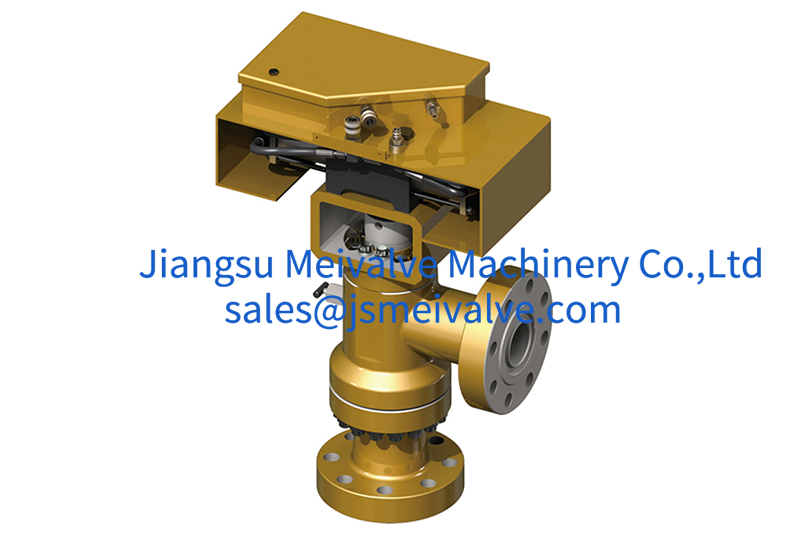
The wellhead casing head is a crucial component in oil and gas extraction, serving as the transition point between the wellbore and the surface. It supports the casing strings and provides a pressure-sealed interface for production tubing and various control systems. Understanding its structure and function is paramount for effective troubleshooting.
2. Common Wellhead Casing Head Issues
Several issues can arise with wellhead casing heads, potentially affecting efficiency and safety. Common problems include:
- **Leakage**: Often caused by wear and tear or faulty seals.
- **Corrosion**: Deterioration due to environmental factors.
- **Pressure Loss**: Resulting from faults in seals or tubing.
- **Misalignment**: Affecting the overall functionality of the wellhead system.
- **Operating Malfunctions**: Failure of control systems, causing operational delays.
3. Importance of Troubleshooting Wellhead Casing Heads
Troubleshooting wellhead casing head issues is vital for several reasons:
- **Safety**: Preventing accidents and ensuring the safety of personnel and equipment.
- **Cost Efficiency**: Addressing issues early can save significant repair costs and downtime.
- **Operational Efficiency**: Ensuring optimal performance of wellhead systems for maximized output.
- **Regulatory Compliance**: Adhering to industry regulations to avoid penalties.
4. Step-by-Step Troubleshooting Guide
To effectively troubleshoot wellhead casing head issues, follow this systematic approach:
4.1 Initial Assessment
Begin by conducting an initial assessment of the wellhead casing head. This includes:
- **Identifying Symptoms**: Gather information on any visible issues or abnormal readings.
- **Reviewing Operational Logs**: Check for inconsistencies or anomalies in the operational history.
- **Consulting Personnel**: Speak with field operators for firsthand accounts of the issues.
4.2 Detailed Inspection Procedures
Once the initial assessment is complete, proceed with a detailed inspection:
- **Visual Inspection**: Examine the casing head for any visible signs of wear, corrosion, or damage.
- **Seal Checks**: Verify the integrity of seals, looking for signs of leakage or deterioration.
- **Alignment Verification**: Check for proper alignment of the casing head components.
- **Component Integrity**: Inspect the condition of valves, pressure gauges, and connections.
4.3 Conducting Tests and Diagnoses
After the physical inspection, it's time to conduct tests:
- **Pressure Tests**: Perform both hydrostatic and pneumatic tests to check for leaks.
- **Fluid Sampling**: Analyze the fluids for contamination that may indicate a casing failure.
- **Vibration Analysis**: Use vibration analysis tools to identify mechanical issues.
5. Preventative Maintenance Tips for Wellhead Casing Heads
Preventative maintenance is essential to prolonging the life of your wellhead casing head. Implement the following tips:
- **Regular Inspections**: Schedule consistent inspections to catch early signs of issues.
- **Seal Maintenance**: Replace seals periodically to prevent leakage.
- **Corrosion Protection**: Apply protective coatings and cathodic protection to mitigate corrosion.
- **Environmental Monitoring**: Keep track of environmental conditions that may affect the wellhead.
6. Best Practices for Managing Wellhead Systems
To ensure the optimal performance of your wellhead systems, adhere to these best practices:
- **Documentation**: Maintain thorough records of inspections, maintenance, and repairs for future reference.
- **Training**: Provide ongoing training for personnel to recognize and address casing head issues promptly.
- **Collaboration**: Foster collaboration between engineers, field personnel, and maintenance teams to share insights and solutions.
7. Frequently Asked Questions
What are the signs of a failing wellhead casing head?
Common signs include visible leaks, unusual pressure fluctuations, and abnormal noises during operation.
How often should I conduct maintenance on my wellhead casing head?
Regular maintenance should occur at least quarterly, with more frequent inspections during high-demand periods.
Can I troubleshoot wellhead casing head issues without professional help?
While basic inspections can be done in-house, complex issues should always be addressed by trained professionals to ensure safety.
What tools are necessary for troubleshooting?
Essential tools include pressure gauges, sealant kits, wrenches, and inspection cameras for detailed assessments.
Is corrosion the only concern for wellhead casing heads?
No, while corrosion is a significant issue, leaks, misalignment, and mechanical failures are also critical concerns to monitor.
8. Conclusion
Troubleshooting wellhead casing head issues is a crucial aspect of maintaining the safety, efficiency, and productivity of oil and gas operations. By understanding the common problems, implementing a structured troubleshooting approach, and practicing preventative maintenance, you can effectively manage your wellhead systems. Staying informed and proactive ensures that your wellhead casing heads function optimally, safeguarding your operations and investments in the long run.
Hot Tags:
Contact Us
E-mail:
sales@jsmeivalve.com
Phone:
+86-15900826755
Address:
No. 888 Jiatong Road, Jianhu County Economic Development Zone, Yancheng City, Jiangsu Province



中企跨境-全域组件
制作前进入CSS配置样式
WhatsApp:
邮箱:
电话:
屏蔽页面上图片的alt/title提示
图片alt标题设置: MeiValve Machinery
CSS / JS 文件放置地