Unlocking Efficiency: The Role of Surface Controlled Subsurface Valves in Industrial Operations
Apr 04,2026
Unlocking Efficiency: The Role of Surface Controlled Subsurface Valves in Industrial Operations
Table of Contents
- 1. Introduction to Surface Controlled Subsurface Valves
- 2. What Are Surface Controlled Subsurface Valves?
- 3. How Do Surface Controlled Subsurface Valves Work?
- 4. Applications of Surface Controlled Subsurface Valves in Industry
- 5. Advantages of Using Surface Controlled Subsurface Valves
- 6. Challenges in Implementing Surface Controlled Subsurface Valves and Solutions
- 7. Case Studies: Success Stories of SCSV Implementation
- 8. Frequently Asked Questions about Surface Controlled Subsurface Valves
- 9. Conclusion
1. Introduction to Surface Controlled Subsurface Valves
Surface Controlled Subsurface Valves (SCSVs) have become essential in various industrial applications, particularly in the oil and gas sector. These valves function as mechanisms that control the flow of fluids from underground reservoirs to the surface. Understanding their role in enhancing operational efficiency is critical for industries striving for improved productivity and safety.
2. What Are Surface Controlled Subsurface Valves?
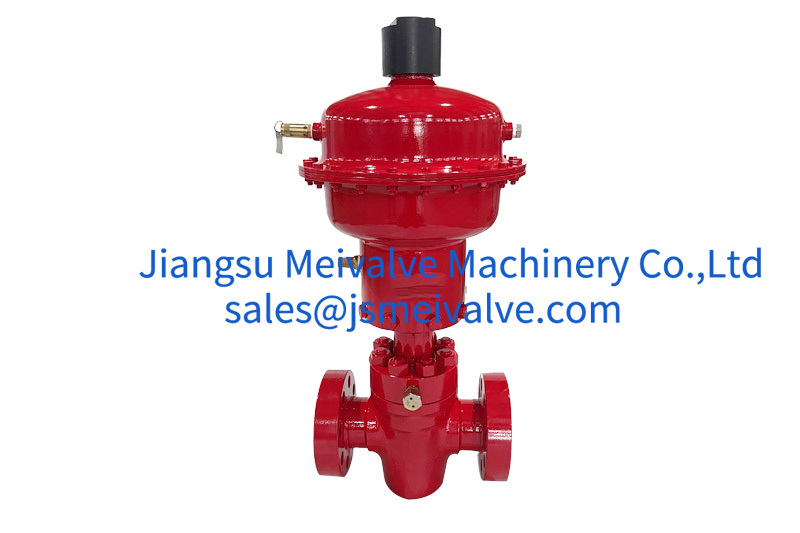
Surface Controlled Subsurface Valves are specialized valves designed to manage the flow of fluids in subterranean environments. These valves remain closed under normal pressure but can be opened remotely from the surface. This functionality is vital for controlling production, maintenance, and safety operations in wells.
2.1 Types of SCSVs
There are primarily two types of SCSVs utilized in industries:
- **Electric Surface Controlled Subsurface Valves:** Operated by electric signals from the surface.
- **Hydraulic Surface Controlled Subsurface Valves:** Function through hydraulic pressure applied from the surface.
2.2 Key Components of SCSVs
The main components of a Surface Controlled Subsurface Valve include:
- **Body:** The main casing that houses internal components.
- **Seal:** Ensures that the valve remains closed until activated.
- **Actuator:** The part that opens or closes the valve based on the control signals received.
3. How Do Surface Controlled Subsurface Valves Work?
Understanding the working mechanism of SCSVs requires a look at their operational principles. These valves are typically activated by pressure changes or electric signals sent from the surface. When the operator sends a command, the actuator responds, changing the valve's position and allowing fluid flow.
3.1 Activation Mechanism
In electric SCSVs, a controlled electrical signal is transmitted to a solenoid, which engages the actuator. For hydraulic valves, hydraulic pressure builds up to trigger the valve's opening.
3.2 Feedback System
Many modern SCSVs incorporate feedback systems that inform operators of the valve’s position, ensuring greater control and safety during operations.
4. Applications of Surface Controlled Subsurface Valves in Industry
Surface Controlled Subsurface Valves find diverse applications across various sectors, primarily in oil and gas, water management, and geothermal energy.
4.1 Oil and Gas Industry
In the oil and gas sector, SCSVs are crucial for controlling fluid production rates, enabling operators to manage multiple wells effectively.
4.2 Water Management
SCSVs play a significant role in water distribution systems, allowing for precise control over water flow and pressure, thus enhancing resource management.
4.3 Geothermal Energy
In geothermal systems, SCSVs help manage steam and hot water flow, maximizing energy extraction and improving system efficiency.
5. Advantages of Using Surface Controlled Subsurface Valves
Implementing Surface Controlled Subsurface Valves offers numerous advantages to industries, enhancing both operational efficiency and safety.
5.1 Increased Efficiency
SCSVs allow for precise control over fluid flow, reducing downtime and improving overall productivity.
5.2 Enhanced Safety
By enabling operators to control operations from the surface, SCSVs significantly reduce the risks associated with manual interventions in hazardous environments.
5.3 Cost-Effectiveness
Although the initial investment in SCSVs may be higher, the long-term benefits, including reduced maintenance costs and improved operational efficiency, outweigh the costs.
6. Challenges in Implementing Surface Controlled Subsurface Valves and Solutions
Despite their advantages, the implementation of SCSVs is not without challenges. Identifying these challenges and proposing solutions is crucial for successful adoption.
6.1 Technical Challenges
Technical difficulties, such as compatibility with existing systems, can pose significant barriers. To overcome this, businesses should conduct thorough compatibility assessments before implementation.
6.2 Cost Barriers
The upfront costs of SCSVs can be daunting. Companies may explore financing options or phased implementation strategies to mitigate these costs over time.
7. Case Studies: Success Stories of SCSV Implementation
Several industries have successfully implemented Surface Controlled Subsurface Valves, showcasing their versatility and efficiency.
7.1 Case Study 1: Offshore Oil Production
A leading offshore oil producer integrated SCSVs into their operations, resulting in a 30% increase in production efficiency and a significant reduction in safety incidents.
7.2 Case Study 2: Urban Water Management
A city employing SCSVs in its water distribution system demonstrated improved flow control and reduced water waste, leading to substantial cost savings.
8. Frequently Asked Questions about Surface Controlled Subsurface Valves
8.1 What is the primary function of SCSVs?
Surface Controlled Subsurface Valves primarily manage the flow of fluids from underground reservoirs to the surface, enhancing control and safety in operations.
8.2 How are SCSVs activated?
SCSVs are activated either through electric signals or hydraulic pressure transmitted from the surface.
8.3 What industries benefit most from SCSVs?
Industries such as oil and gas, water management, and geothermal energy benefit significantly from the use of SCSVs.
8.4 Are there any safety concerns associated with SCSVs?
While SCSVs enhance safety by allowing remote operation, proper maintenance and regular inspections are essential to ensure their functionality.
8.5 What are the cost implications of implementing SCSVs?
Although SCSVs may require a higher initial investment, their long-term benefits in efficiency and cost savings can outweigh these initial costs.
9. Conclusion
Surface Controlled Subsurface Valves play a pivotal role in enhancing the efficiency and safety of industrial operations. By understanding their mechanisms, applications, and advantages, industries can leverage these valves to optimize their processes. The integration of SCSVs not only improves production but also ensures that safety remains a top priority, ultimately leading to a more sustainable and efficient industrial future.
Hot Tags:


Contact Us
E-mail:
sales@jsmeivalve.com
Phone:
+86-15900826755
Address:
No. 888 Jiatong Road, Jianhu County Economic Development Zone, Yancheng City, Jiangsu Province



中企跨境-全域组件
制作前进入CSS配置样式
WhatsApp:
邮箱:
电话:
屏蔽页面上图片的alt/title提示
图片alt标题设置: MeiValve Machinery
CSS / JS 文件放置地