
What New Users Should Know About Wellhead Casing Heads for Christmas Trees
May 22,2026
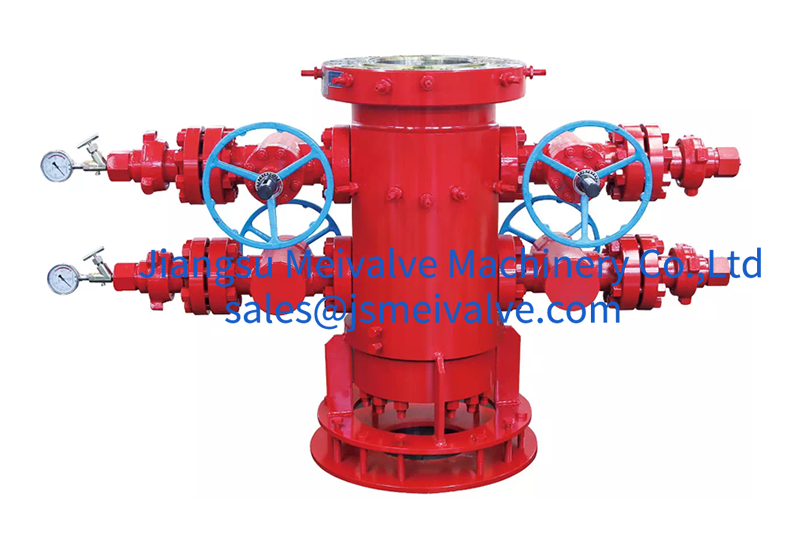
What New Users Should Know About Wellhead Casing Heads for Christmas Trees
Table of Contents
- Introduction to Wellhead Casing Heads
- Understanding Wellhead Casing Heads
- Types of Wellhead Casing Heads
- Functions of Casing Heads in Christmas Trees
- Installation Process for Wellhead Casing Heads
- Maintenance and Care for Casing Heads
- Common Issues and Solutions
- Frequently Asked Questions
- Conclusion
Introduction to Wellhead Casing Heads
As new users venture into the realm of wellhead casing heads, particularly in relation to Christmas trees, understanding these vital components is essential for safe and efficient operation. A wellhead casing head acts as a structural support for the Christmas tree assembly, providing crucial sealing and pressure management functions. In this article, we will cover everything from the basic definitions to complex installation techniques and maintenance tips.
Understanding Wellhead Casing Heads
Wellhead casing heads serve as the foundational elements in oil and gas drilling operations. They are designed to connect to the well casing while supporting various types of equipment, including valves and gauges found in Christmas trees. The term "Christmas tree" refers to the assembly of valves and fittings at the wellhead, which controls the flow of oil, gas, or other fluids.
Key Components of Wellhead Casing Heads
A typical casing head comprises several key components:
- **Casing Spool**: This is the primary component that connects the well casing to the Christmas tree.
- **Flanges**: Flanges allow for easy attachment of equipment and provide a secure connection point.
- **Seals**: Essential for maintaining pressure and preventing leaks, seals are crucial in ensuring operational safety.
Types of Wellhead Casing Heads
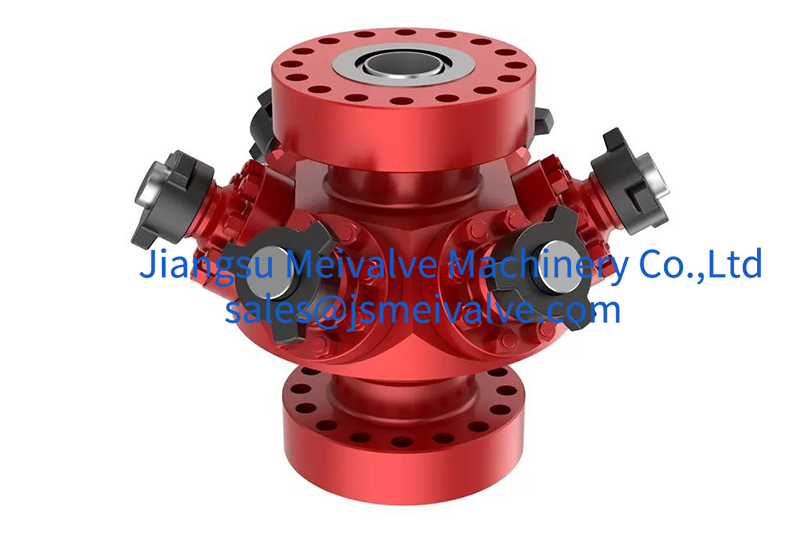
There are various types of wellhead casing heads designed to accommodate different requirements and conditions.
1. Single Casing Heads
Single casing heads are designed for straightforward, low-pressure applications. They are generally easier to install and maintain, making them suitable for new users.
2. Multi-Casing Heads
Multi-casing heads accommodate multiple casings and can handle higher pressures. They are more complex but offer greater flexibility for various applications.
3. Composite Casing Heads
These casing heads combine materials to enhance strength and durability. They are suited for challenging environments where corrosion might be a concern.
4. Adjustable Casing Heads
Adjustable casing heads allow for height modifications to accommodate different equipment. These are particularly useful in operations requiring flexibility in setup.
Functions of Casing Heads in Christmas Trees
The functions of casing heads in the context of Christmas trees are multifaceted.
Pressure Management
Casing heads play a vital role in managing the pressure within the well. They are designed to withstand extreme conditions, ensuring that the entire system operates safely.
Sealing Capabilities
Sealing is one of the most critical functions of casing heads. High-quality seals prevent fluid leaks, which can lead to catastrophic failures if not properly managed.
Connection Point for Equipment
Casing heads act as the primary connection point for various equipment, such as valves and flow meters. This centralized location streamlines the system's operation while ensuring all components work harmoniously.
Installation Process for Wellhead Casing Heads
Installing wellhead casing heads requires careful planning and execution.
1. Site Preparation
Before installation, ensure the site is free from debris and easily accessible. Adequate space should be available for equipment and safety procedures.
2. Selecting the Right Casing Head
Choosing the appropriate casing head type is crucial. Assess the pressure requirements and environmental conditions to make an informed decision.
3. Assembly and Installation
Follow the manufacturer’s guidelines for assembly. Proper torque specifications must be observed to ensure a secure fit.
4. Testing for Leaks
Once installed, conduct a thorough leak test. This step is essential for ensuring the system's integrity before proceeding with operations.
Maintenance and Care for Casing Heads
Regular maintenance is vital for ensuring the longevity and efficiency of wellhead casing heads.
1. Routine Inspections
Conduct regular inspections to identify any signs of wear or damage. Early detection can help prevent major failures.
2. Cleaning and Lubrication
Keep the casing heads clean to prevent debris buildup. Proper lubrication of moving parts can enhance performance and reduce wear.
3. Replacement of Seals and Gaskets
Over time, seals and gaskets may degrade. Regularly check and replace them to maintain optimal sealing capabilities.
4. Record Keeping
Maintain detailed records of maintenance activities, inspections, and any repairs performed. This documentation can be invaluable for future reference and compliance.
Common Issues and Solutions
New users may encounter several common issues when working with wellhead casing heads.
Leakage Problems
If leaking occurs, inspect seals and connections for wear or damage. Replacing faulty seals is often the first step in addressing this issue.
Pressure Fluctuations
Inconsistent pressure readings may indicate a problem with the casing head or connected equipment. Conduct a thorough assessment to identify and resolve the root cause.
Corrosion**
Corrosion can significantly impact the performance of casing heads. Regular inspections and protective coatings can help mitigate this issue.
Frequently Asked Questions
1. What is a wellhead casing head?
A wellhead casing head is a component that connects the well casing to the Christmas tree, providing structural support and sealing capabilities.
2. How often should wellhead casing heads be inspected?
Regular inspections should be conducted at least once a month, or more frequently in high-use scenarios.
3. What are the signs of a failing casing head?
Common signs include leakage, pressure inconsistencies, and visible corrosion.
4. Can I install a casing head myself?
While experienced users may handle installation, it’s recommended to have a professional oversee the installation to ensure safety and compliance.
5. What is the lifespan of a wellhead casing head?
The lifespan can vary based on materials used, environmental conditions, and maintenance practices. Regular care can significantly extend its operational life.
Conclusion
Understanding wellhead casing heads is crucial for new users entering the oil and gas industry, particularly in relation to Christmas trees. By grasping the various types, functions, installation processes, and maintenance requirements, users can ensure safer and more efficient operations. Investing time in learning about these components will not only enhance operational success but also contribute to a safer working environment. With this comprehensive guide, we hope to empower new users with the knowledge they need to navigate the complexities of wellhead casing heads effectively.
Hot Tags:
PREVIOUS:

Contact Us
E-mail:
sales@jsmeivalve.com
Phone:
+86-15900826755
Address:
No. 888 Jiatong Road, Jianhu County Economic Development Zone, Yancheng City, Jiangsu Province



中企跨境-全域组件
制作前进入CSS配置样式
WhatsApp:
邮箱:
电话:
屏蔽页面上图片的alt/title提示
图片alt标题设置: MeiValve Machinery
CSS / JS 文件放置地