
FC Type Hydraulic Gate Valves: A Comprehensive Guide for Engineers
Jun 25,2026
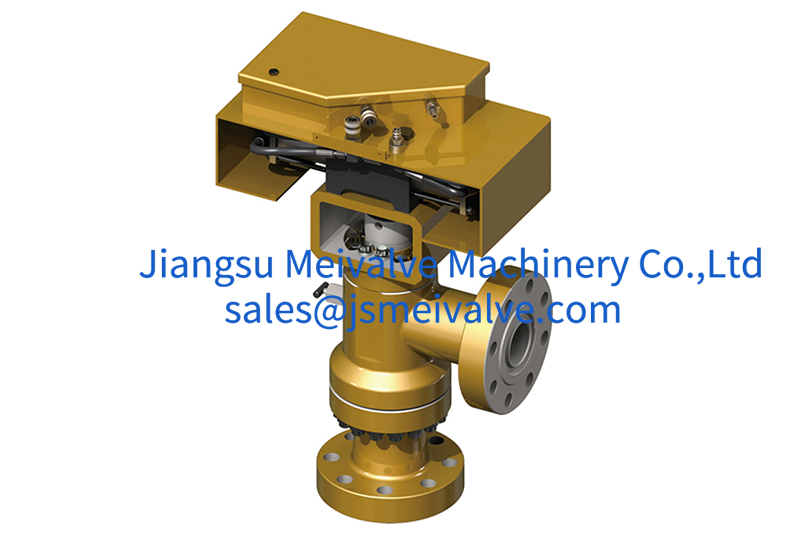
FC Type Hydraulic Gate Valves: A Comprehensive Guide for Engineers
Table of Contents
- 1. Introduction to FC Type Hydraulic Gate Valves
- 2. Key Design Features of FC Type Hydraulic Gate Valves
- 3. Working Principle of Hydraulic Gate Valves
- 4. Applications of FC Type Hydraulic Gate Valves in Industry
- 5. Advantages of Using FC Type Hydraulic Gate Valves
- 6. Maintenance Best Practices for FC Type Hydraulic Gate Valves
- 7. Troubleshooting Common Issues
- 8. Future Trends in Hydraulic Gate Valve Technology
- 9. Frequently Asked Questions
- 10. Conclusion
1. Introduction to FC Type Hydraulic Gate Valves
Hydraulic gate valves play a crucial role in controlling fluid flow within various industrial applications. The **FC Type Hydraulic Gate Valve** is specifically designed for optimized performance in hydraulic systems. These valves are essential for achieving reliable shut-off and flow control, making them a preferred choice among engineers. Understanding the unique characteristics and operational mechanisms of FC Type Hydraulic Gate Valves can significantly enhance their application in complex industrial scenarios.
2. Key Design Features of FC Type Hydraulic Gate Valves
The design of the FC Type Hydraulic Gate Valve incorporates several features aimed at maximizing efficiency and reliability:
2.1 Gate Structure
The gate mechanism is typically a rectangular or wedge-shaped component that fits snugly within the valve body. This design allows for minimal flow resistance when the valve is fully opened.
2.2 Actuation Type
FC Type Hydraulic Gate Valves can be actuated using hydraulic actuators, which provide precise control and quick response times, essential for automated processes.
2.3 Material Selection
These valves are constructed from durable materials resistant to corrosion and wear, enabling them to withstand extreme pressure and temperature conditions prevalent in industrial environments. Common materials include stainless steel, carbon steel, and special alloys.
2.4 Sealing Mechanism
Reliable sealing is critical in preventing leaks. The FC Type valves utilize high-quality seals that can handle the hydraulic pressure while ensuring tight closure.
3. Working Principle of Hydraulic Gate Valves
The operation of the FC Type Hydraulic Gate Valve is straightforward yet effective. When the valve is actuated, hydraulic pressure moves the gate vertically within the valve body. In the fully opened position, the fluid flows freely through the gate, minimizing turbulence and pressure drops. Conversely, when closed, the gate completely blocks the flow, providing a tight seal.
4. Applications of FC Type Hydraulic Gate Valves in Industry
FC Type Hydraulic Gate Valves find extensive applications across various sectors due to their reliability and performance:
4.1 Water Treatment Plants
Used to control the flow of water and wastewater, ensuring efficient treatment processes.
4.2 Oil and Gas Industry
Essential for controlling crude oil and natural gas flow, these valves can handle high pressures and corrosive environments.
4.4 Chemical Processing
In chemical manufacturing, FC Type valves help manage the flow of corrosive and hazardous materials safely.
4.5 Power Generation
Hydraulic gate valves are critical in regulating water flow in hydroelectric power plants, contributing to effective energy generation.
5. Advantages of Using FC Type Hydraulic Gate Valves
Investing in FC Type Hydraulic Gate Valves offers numerous advantages:
5.1 Enhanced Flow Control
The design minimizes flow restrictions, enhancing system efficiency and reducing energy consumption.
5.2 Durability
Constructed from high-quality materials, these valves possess exceptional durability, ensuring long service life and reduced maintenance costs.
5.3 Versatility
Their ability to operate across a wide range of pressures and temperatures makes them suitable for various industrial applications.
5.4 Easy Maintenance
With straightforward maintenance protocols, these valves can be serviced quickly, minimizing downtime.
6. Maintenance Best Practices for FC Type Hydraulic Gate Valves
Proper maintenance is vital for ensuring the longevity and performance of FC Type Hydraulic Gate Valves:
6.1 Regular Inspections
Routine checks for leaks, corrosion, or wear should be conducted to identify potential issues before they escalate.
6.2 Seal Replacement
Over time, seals may wear out and should be replaced to maintain the valve's effectiveness.
6.3 Cleaning
Regular cleaning of the valve body and surrounding area helps prevent blockages and corrosion, ensuring smooth operation.
6.4 Lubrication
Proper lubrication of moving parts can enhance performance and reduce the risk of mechanical failure.
7. Troubleshooting Common Issues
Engineers may encounter various issues with hydraulic gate valves. Here are some common problems and their solutions:
7.1 Leakage
If leakage occurs, inspect the seals for wear or damage and replace them as necessary.
7.2 Slow Actuation
Slow response times may indicate a need for hydraulic fluid replacement or the need to check for blockages in the actuator.
7.3 Vibration
Unusual vibrations may suggest misalignment or issues within the hydraulic system. It’s essential to check for proper installation and component integrity.
8. Future Trends in Hydraulic Gate Valve Technology
The hydraulic gate valve industry is evolving, incorporating advanced technology to enhance performance:
8.1 Smart Valves
Integration with IoT technology allows for real-time monitoring and data analysis, optimizing valve performance and predictive maintenance.
8.2 Enhanced Materials
Research into new materials will lead to valves that are even more resistant to corrosion and capable of handling extreme conditions.
8.3 Automation
Increased automation in industrial processes will boost the demand for hydraulic gate valves equipped with advanced actuation systems.
9. Frequently Asked Questions
9.1 What is the difference between a gate valve and a globe valve?
Gate valves are primarily used for on/off applications, while globe valves are designed for throttling and flow control.
9.2 How do I select the right size of hydraulic gate valve?
Size selection depends on flow requirements, system pressure, and the type of fluid being controlled.
9.3 Can FC Type Hydraulic Gate Valves be used in high-temperature applications?
Yes, they are designed to withstand high temperatures, but material selection is crucial to ensure performance at elevated temperatures.
9.4 What maintenance is required for hydraulic gate valves?
Regular inspections, seal replacements, cleaning, and lubrication are essential for optimal valve performance.
9.5 How do I troubleshoot a hydraulic gate valve that won’t open?
Check hydraulic fluid levels, inspect for blockages, and ensure the actuator is functioning correctly.
10. Conclusion
In summary, FC Type Hydraulic Gate Valves are indispensable components in modern industrial systems. Their robust design, coupled with numerous advantages, makes them essential for effective flow control across various applications. By understanding their functionality, maintenance needs, and future trends, engineers can optimize their use and improve system performance. Whether in oil and gas, water treatment, or chemical processing, FC Type Hydraulic Gate Valves continue to play a critical role in ensuring operational efficiency and reliability.
Hot Tags:


Contact Us
E-mail:
sales@jsmeivalve.com
Phone:
+86-15900826755
Address:
No. 888 Jiatong Road, Jianhu County Economic Development Zone, Yancheng City, Jiangsu Province



中企跨境-全域组件
制作前进入CSS配置样式
WhatsApp:
邮箱:
电话:
屏蔽页面上图片的alt/title提示
图片alt标题设置: MeiValve Machinery
CSS / JS 文件放置地