The Evolution of Wellhead Tubing Heads in the Oil and Gas Industry
Sep 03,2026
The Evolution of Wellhead Tubing Heads in the Oil and Gas Industry
Table of Contents
1. Introduction to Wellhead Tubing Heads
2. Historical Development of Wellhead Tubing Heads
3. Key Components of Wellhead Tubing Heads
3.1 Tubing Head Spools
3.2 Flanges and Connections
4. Technological Advancements in Wellhead Tubing Heads
4.1 Enhanced Materials and Manufacturing Techniques
4.2 Automation and Smart Well Technology
5. The Role of Wellhead Tubing Heads in Production Optimization
6. Safety Protocols and Regulations
7. Future Trends in Wellhead Tubing Head Design
8. Conclusion
9. Frequently Asked Questions (FAQs)
1. Introduction to Wellhead Tubing Heads
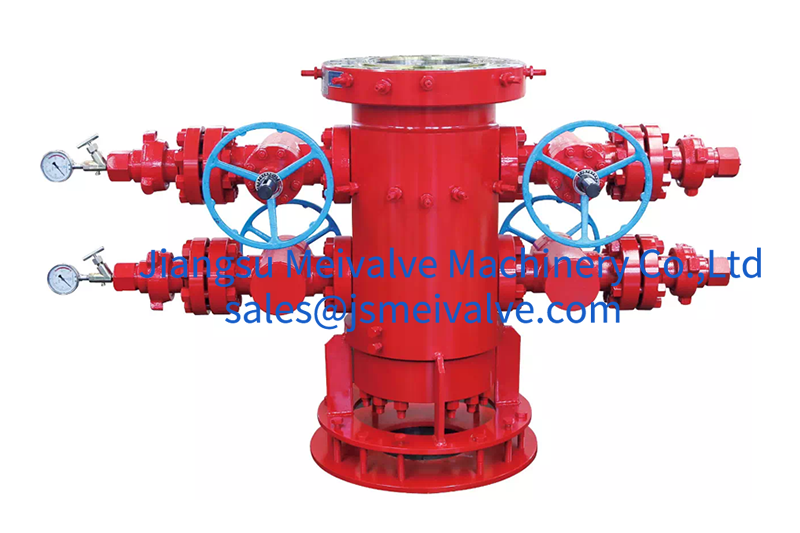
The wellhead tubing head is a crucial component in the oil and gas industry, representing the interface between the wellbore and the surface equipment. It is designed to support the weight of the production tubing and provides a pressure seal for the well. Understanding the evolution of these components is essential for grasping their significance in modern drilling and production operations.
2. Historical Development of Wellhead Tubing Heads
The roots of wellhead tubing heads can be traced back to the early days of oil drilling. Initially, these components were rudimentary, constructed from basic materials without much consideration for efficiency or safety. However, as the industry evolved, the necessity for more robust and reliable designs became evident.
Throughout the 20th century, the demand for oil surged, primarily due to the automobile boom and industrialization. This increase in demand prompted engineers and manufacturers to innovate, leading to the development of sophisticated wellhead systems designed to handle high pressures and varying well conditions. The introduction of standardization in dimensions and connection types played a significant role in the widespread adoption of wellhead tubing heads.
3. Key Components of Wellhead Tubing Heads
Understanding the key components of wellhead tubing heads is vital for appreciating their functionality and importance in drilling operations.
3.1 Tubing Head Spools
The tubing head spool is the primary structure that supports the tubing string and enables the connection to other production equipment. Its design has evolved to accommodate various well conditions, providing reliable sealing and support.
3.2 Flanges and Connections
Flanges are critical in maintaining the integrity of the wellhead system. The development of standardized flanges and connections has enhanced the compatibility of various components, simplifying installations and facilitating maintenance procedures.
4. Technological Advancements in Wellhead Tubing Heads
As the oil and gas industry increasingly relies on advanced technologies, wellhead tubing heads have also seen significant improvements.
4.1 Enhanced Materials and Manufacturing Techniques
Modern wellhead tubing heads are manufactured from high-strength materials such as alloyed steel and corrosion-resistant alloys. These materials offer improved durability and resistance to harsh environmental conditions, extending the operational lifespan of the equipment.
4.2 Automation and Smart Well Technology
The integration of automation in wellhead systems has transformed the operational landscape. Smart well technology enables real-time monitoring and control of production parameters, significantly increasing efficiency and reducing operational risks.
5. The Role of Wellhead Tubing Heads in Production Optimization
Wellhead tubing heads play a pivotal role in optimizing production efficiency. Their ability to handle high-pressure environments while ensuring effective sealing allows for maximum extraction of resources. By facilitating seamless connections to surface equipment, wellhead tubing heads minimize downtime and enhance overall productivity.
6. Safety Protocols and Regulations
Safety is paramount in the oil and gas industry, making the adherence to stringent regulations essential. Wellhead tubing heads are subject to rigorous safety standards to ensure their integrity under pressure. Regular inspections, maintenance protocols, and adherence to industry guidelines significantly reduce the risk of operational failures.
7. Future Trends in Wellhead Tubing Head Design
Looking ahead, the design of wellhead tubing heads is expected to evolve further. Innovations such as advanced materials, enhanced automation, and integration with digital technologies will shape the future of these critical components. The industry's push towards sustainability will also influence the development of eco-friendly materials and practices in manufacturing.
8. Conclusion
The evolution of wellhead tubing heads in the oil and gas industry reflects the ongoing quest for efficiency, safety, and innovation. As technology continues to advance, these components will play a crucial role in meeting the growing demands of energy production while adhering to safety and environmental standards. Understanding this evolution is not only vital for industry professionals but also for stakeholders invested in the future of energy.
9. Frequently Asked Questions (FAQs)
**1. What is the primary function of a wellhead tubing head?**
The primary function of a wellhead tubing head is to support the weight of the production tubing and provide a pressure seal at the surface of the well.
**2. How has the design of wellhead tubing heads changed over time?**
The design of wellhead tubing heads has evolved from basic structures to sophisticated systems that utilize advanced materials and automation for improved efficiency and safety.
**3. What materials are commonly used in the manufacturing of wellhead tubing heads?**
Modern wellhead tubing heads are typically made from high-strength materials like alloyed steel and corrosion-resistant alloys to ensure durability and reliability.
**4. Why are safety protocols important for wellhead tubing heads?**
Safety protocols are crucial for ensuring the integrity of wellhead tubing heads under pressure, minimizing the risk of operational failures and accidents.
**5. What future trends should we expect in wellhead tubing head technology?**
Future trends include advancements in materials, greater automation integration, and a focus on sustainability and eco-friendly practices in manufacturing.
Hot Tags:
PREVIOUS:


Contact Us
E-mail:
sales@jsmeivalve.com
Phone:
+86-15900826755
Address:
No. 888 Jiatong Road, Jianhu County Economic Development Zone, Yancheng City, Jiangsu Province



中企跨境-全域组件
制作前进入CSS配置样式
WhatsApp:
邮箱:
电话:
屏蔽页面上图片的alt/title提示
图片alt标题设置: MeiValve Machinery
CSS / JS 文件放置地