Unlocking Efficiency: The Role of Wellhead Expanding Gate Valves in Oil Extraction
Sep 12,2025
Unlocking Efficiency: The Role of Wellhead Expanding Gate Valves in Oil Extraction
Table of Contents
- What are Wellhead Expanding Gate Valves?
- The Importance of Wellhead Expanding Gate Valves in Oil Extraction
- Advantages of Using Wellhead Expanding Gate Valves
- Design and Technical Specifications of Wellhead Expanding Gate Valves
- Best Practices for Installing Wellhead Expanding Gate Valves
- Maintenance and Care for Longevity
- Troubleshooting Common Issues with Wellhead Expanding Gate Valves
- Future Trends in Valve Technology for Oil Extraction
- Conclusion
- FAQs
What are Wellhead Expanding Gate Valves?
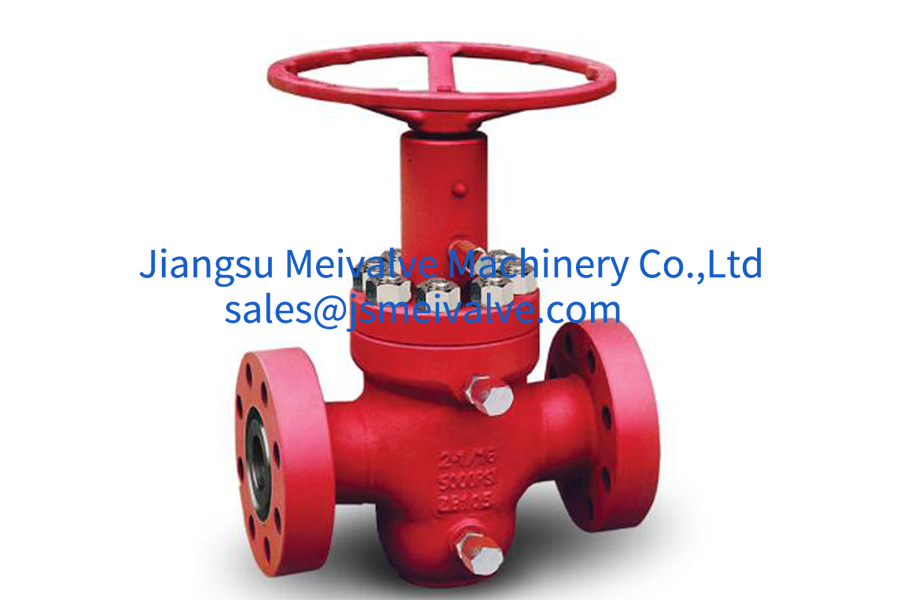
Wellhead expanding gate valves are specialized valves designed to control the flow of fluids within oil extraction systems, particularly at the wellhead. These valves feature a unique mechanism that allows the gate to expand or contract in response to pressure changes, ensuring a tight seal and preventing leaks. This innovative design is critical for maintaining safety and efficiency in oil production, as any leakage can lead to significant environmental hazards and financial losses.
The Importance of Wellhead Expanding Gate Valves in Oil Extraction
The oil extraction process relies heavily on various components, each playing a crucial role in ensuring a seamless operation. Wellhead expanding gate valves serve as vital components in this system, acting as the first line of defense against pressure fluctuations and potential leaks. Their ability to provide a reliable seal enhances the overall efficiency of oil extraction, allowing operators to maximize production while minimizing risks. Furthermore, these valves facilitate better control over fluid flow, which is essential for optimizing extraction rates and maintaining reservoir pressure.
Advantages of Using Wellhead Expanding Gate Valves
Enhanced Safety and Reliability
One of the primary advantages of wellhead expanding gate valves is their ability to provide a superior seal compared to traditional valves. This characteristic significantly reduces the risk of leaks, ensuring a safer working environment for operators and minimizing environmental impact.
Improved Efficiency
Wellhead expanding gate valves improve operational efficiency by allowing for smoother flow control. Their design enables quick and precise adjustments to the fluid flow, which can lead to enhanced oil recovery rates.
Reduced Maintenance Costs
Due to their robust construction and advanced sealing technology, wellhead expanding gate valves often require less maintenance than standard valves. This reduction in maintenance translates to cost savings for oil extraction companies, allowing them to allocate resources more effectively.
Versatility in Application
These valves can be used in a variety of applications within the oil and gas industry, including upstream, midstream, and downstream processes. Their adaptability makes them a popular choice among operators seeking reliable valve solutions.
Design and Technical Specifications of Wellhead Expanding Gate Valves
The design of wellhead expanding gate valves incorporates several key components that contribute to their functionality and reliability. Typically, these valves consist of the following parts:
- Body: The main structure that houses the internal components.
- Gate: The movable part that controls fluid flow; its expanding mechanism is crucial for sealing.
- Seals: High-quality seals are used to prevent leaks, even under high pressure.
- Actuator: Often automated, it facilitates the opening and closing of the valve.
Technical specifications can vary based on manufacturer and application, but common factors to consider include pressure ratings, temperature limits, and material composition (e.g., stainless steel, carbon steel) to suit specific environmental conditions.
Best Practices for Installing Wellhead Expanding Gate Valves
Proper installation of wellhead expanding gate valves is critical for ensuring optimal performance and longevity. Here are some best practices to follow:
- Site Assessment: Before installation, conduct a thorough assessment of the site to determine the best location and configuration for the valve.
- Alignment: Ensure that the valve is properly aligned with the piping system to prevent undue stress and wear on both components.
- Torque Standards: Follow the manufacturer's torque specifications when fastening bolts to achieve a secure fit without over-tightening.
- Testing: Once installed, conduct pressure tests to verify the integrity of the valve seal and overall system functionality.
Maintenance and Care for Longevity
Regular maintenance is crucial for extending the lifespan of wellhead expanding gate valves and ensuring their reliable performance. Recommended maintenance practices include:
- Routine Inspections: Periodically inspect the valve for signs of wear, corrosion, or leakage.
- Lubrication: Ensure that moving parts are adequately lubricated to reduce friction and wear.
- Seal Replacement: Replace seals as needed to maintain a tight seal and prevent leaks.
- Documentation: Keep detailed records of maintenance activities to track performance and identify potential issues early.
Troubleshooting Common Issues with Wellhead Expanding Gate Valves
Despite their robust design, users may encounter issues with wellhead expanding gate valves. Here are some common problems and their solutions:
- Leakage: If a leak is detected, inspect the seals and replace them if necessary. Ensure that the valve is properly tightened and functioning correctly.
- Sticking Gate: A sticking gate may result from insufficient lubrication or debris accumulation. Clean the valve and lubricate moving parts to restore functionality.
- Pressure Fluctuations: Sudden changes in pressure may indicate a malfunctioning valve or blockage in the flow path. Investigate the system for potential obstructions and troubleshoot as needed.
Future Trends in Valve Technology for Oil Extraction
As technology continues to advance, the oil and gas industry is witnessing several trends that aim to enhance the efficiency and reliability of valve systems. Some key trends include:
- Smart Valves: The integration of IoT technology enables real-time monitoring and predictive maintenance, enhancing operational efficiency.
- Advanced Materials: Research into new materials may lead to valves that withstand more extreme conditions while reducing the risk of failure.
- Automation: Increased automation in valve operations can streamline processes and reduce labor costs.
Conclusion
Wellhead expanding gate valves play an essential role in optimizing oil extraction processes, providing enhanced safety, efficiency, and reliability. Their unique design and robust construction make them indispensable for modern oil and gas operations. By understanding their functionality, advantages, and best practices for installation and maintenance, operators can significantly improve their extraction operations. As technology continues to evolve, staying informed about the latest advancements in valve technology will empower companies to maintain a competitive edge in the industry.
FAQs
1. What is the main function of a wellhead expanding gate valve?
The main function of a wellhead expanding gate valve is to control fluid flow in oil extraction systems while providing a reliable seal to prevent leaks.
2. How often should wellhead expanding gate valves be maintained?
Regular inspections should be conducted, and maintenance should be performed as needed, typically every 6 to 12 months, depending on operational conditions.
3. Can wellhead expanding gate valves be automated?
Yes, many wellhead expanding gate valves can be automated to enhance operational efficiency and facilitate remote monitoring and control.
4. What materials are typically used in the construction of these valves?
Common materials include stainless steel and carbon steel, chosen for their durability and resistance to corrosion in harsh environments.
5. What should I do if I notice a leak in my wellhead expanding gate valve?
If a leak is detected, immediately inspect the seals and tightening of the valve. Replace any worn seals and ensure the valve is functioning properly to prevent further leaks.
Hot Tags:


Contact Us
E-mail:
sales@jsmeivalve.com
Phone:
+86-15900826755
Address:
No. 888 Jiatong Road, Jianhu County Economic Development Zone, Yancheng City, Jiangsu Province



WhatsApp:
邮箱:
电话:
屏蔽页面上图片的alt/title提示
图片alt标题设置: MeiValve Machinery
CSS / JS 文件放置地