
Common Misconceptions About Surface Safety Valves Debunked: The Essential Guide
Sep 12,2025
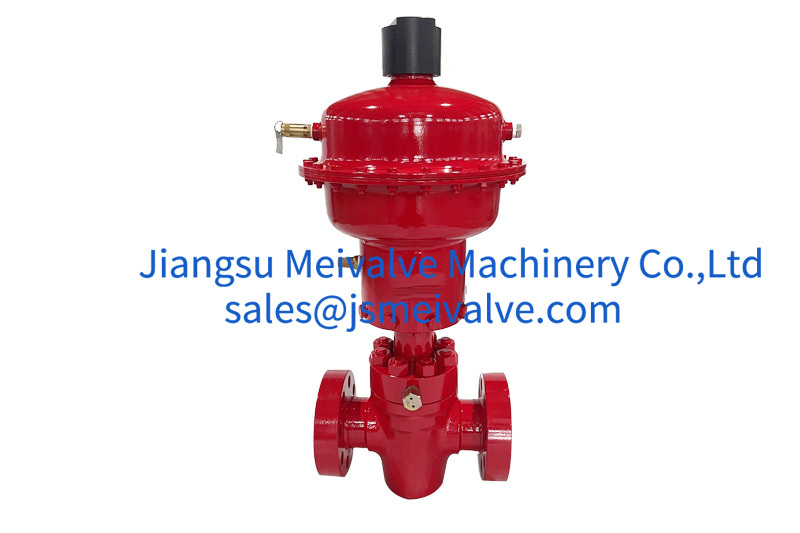
Common Misconceptions About Surface Safety Valves Debunked: The Essential Guide
Table of Contents
- 1. Introduction to Surface Safety Valves
- 2. Misconception 1: Surface Safety Valves Are Only for High-Pressure Systems
- 3. Misconception 2: All Safety Valves Are the Same
- 4. Misconception 3: Surface Safety Valves Don't Require Regular Maintenance
- 5. Misconception 4: Surface Safety Valves Are Expensive and Not Worth the Investment
- 6. Misconception 5: Once Installed, Surface Safety Valves Never Fail
- 7. Common Applications of Surface Safety Valves in Industry
- 8. Conclusion: The Importance of Accurate Knowledge in Safety Valves
- 9. FAQs About Surface Safety Valves
1. Introduction to Surface Safety Valves
Surface safety valves (SSVs) are crucial components in various industrial applications, designed to protect equipment and personnel from overpressure scenarios. Understanding the functionality, applications, and maintenance requirements of these valves is essential for ensuring safety and efficiency. In this article, we will debunk several widespread misconceptions about surface safety valves, so you can make informed decisions regarding their use and maintenance.
2. Misconception 1: Surface Safety Valves Are Only for High-Pressure Systems
Many professionals mistakenly believe that surface safety valves are exclusively necessary for high-pressure applications. However, this is not the case. Surface safety valves are designed to operate effectively across a spectrum of pressure levels. Their primary function is to prevent overpressure situations, which can occur in both high and low-pressure systems.
In fact, many industries, including oil and gas, chemical manufacturing, and power generation, use surface safety valves in medium and low-pressure systems. By utilizing surface safety valves, these industries can ensure the safety of their operations, regardless of the pressure levels involved.
3. Misconception 2: All Safety Valves Are the Same
Another common misconception is that all safety valves are interchangeable. In reality, safety valves come in various designs and types, each tailored for specific applications and operational conditions. Surface safety valves differ significantly from other safety valves, such as relief valves, in both functionality and performance metrics.
Surface safety valves are primarily used in applications where a quick response to overpressure is necessary. They are engineered to open quickly and close tightly, ensuring that pressure does not exceed safe levels. Understanding these differences is vital when selecting the appropriate valve for a given application.
4. Misconception 3: Surface Safety Valves Don't Require Regular Maintenance
A prevalent belief among some operators is that surface safety valves are maintenance-free once installed. This is far from the truth. Regular maintenance is imperative to ensure the functionality and reliability of safety valves over time. Neglecting maintenance can lead to valve failure and pose significant risks to safety and operations.
Routine inspections, testing, and preventative maintenance are essential practices that help maintain the integrity of surface safety valves. Operators should adhere to industry standards and manufacturer recommendations to ensure the valves operate effectively when needed.
5. Misconception 4: Surface Safety Valves Are Expensive and Not Worth the Investment
While it is true that the initial cost of purchasing and installing surface safety valves can be substantial, dismissing them as an unnecessary expense can be a grave error. The cost of failing to implement adequate safety measures can far exceed the initial investment in surface safety valves.
In the long run, the implementation of surface safety valves can lead to significant cost savings by preventing equipment damage, reducing downtime, and ensuring compliance with safety regulations. The peace of mind that comes with knowing your operations are safeguarded is invaluable.
6. Misconception 5: Once Installed, Surface Safety Valves Never Fail
It is a dangerous myth to believe that surface safety valves are immune to failure once installed. Like any mechanical device, surface safety valves can experience wear and tear over time, leading to potential malfunctions. Various factors can contribute to valve failure, including corrosion, improper installation, and lack of maintenance.
To mitigate the risk of valve failure, it is essential to implement a routine inspection and testing schedule, keeping an eye on the condition of the valve and addressing any issues promptly. Operators must also train their staff to recognize signs of potential malfunction, ensuring swift action can be taken when required.
7. Common Applications of Surface Safety Valves in Industry
Surface safety valves are used across a wide range of industries due to their critical role in maintaining safety and operational integrity. Some common applications include:
7.1 Oil and Gas Industry
In the oil and gas industry, surface safety valves are fundamental to protecting drilling rigs, pipelines, and processing facilities from overpressure scenarios. They ensure the safe containment of hazardous materials and help prevent catastrophic failures.
7.2 Chemical Manufacturing
Chemical plants utilize surface safety valves to safeguard reactors and storage vessels. These valves help maintain safe operating conditions by releasing excess pressure, thus preventing dangerous incidents.
7.3 Power Generation
In power generation facilities, surface safety valves are critical in protecting boilers and turbines from overpressure events. Their prompt response can prevent damage to essential equipment and ensure continued operation.
7.4 Water Treatment
In water treatment facilities, surface safety valves help maintain pressure within treatment systems, preventing overflows and ensuring the continuous and safe supply of clean water.
8. Conclusion: The Importance of Accurate Knowledge in Safety Valves
Understanding the truth about surface safety valves is crucial for anyone involved in industrial operations. By debunking common misconceptions, we can enhance safety measures and ensure that these vital components function optimally. Investing in quality surface safety valves and maintaining them diligently will ultimately lead to safer operations, reduced costs, and compliance with industry standards. Knowledge is power, and when it comes to safety valves, accurate information can protect lives and assets.
9. FAQs About Surface Safety Valves
9.1 What is the primary function of a surface safety valve?
The primary function of a surface safety valve is to prevent overpressure situations by automatically releasing excess pressure to maintain safe operating conditions.
9.2 How often should surface safety valves be maintained?
Routine maintenance should be carried out according to manufacturer guidelines and industry standards, typically at least once a year or more frequently based on operational conditions.
9.3 What are the key differences between surface safety valves and relief valves?
Surface safety valves are designed for rapid response to overpressure, while relief valves may open gradually and are typically used for different applications.
9.4 Can surface safety valves be repaired?
Yes, surface safety valves can be repaired, though the extent of repair depends on the nature of the damage. Regular maintenance can prevent the need for major repairs.
9.5 Are surface safety valves compliant with industry regulations?
Yes, surface safety valves must comply with industry regulations and standards, which vary by sector. It's essential to select valves that meet specific regulatory requirements for your application.
Hot Tags:
PREVIOUS:


Contact Us
E-mail:
sales@jsmeivalve.com
Phone:
+86-15900826755
Address:
No. 888 Jiatong Road, Jianhu County Economic Development Zone, Yancheng City, Jiangsu Province



中企跨境-全域组件
制作前进入CSS配置样式
WhatsApp:
邮箱:
电话:
屏蔽页面上图片的alt/title提示
图片alt标题设置: MeiValve Machinery
CSS / JS 文件放置地