Understanding Surface Safety Valves: Essential Components for Industrial Safety
Dec 04,2025
---
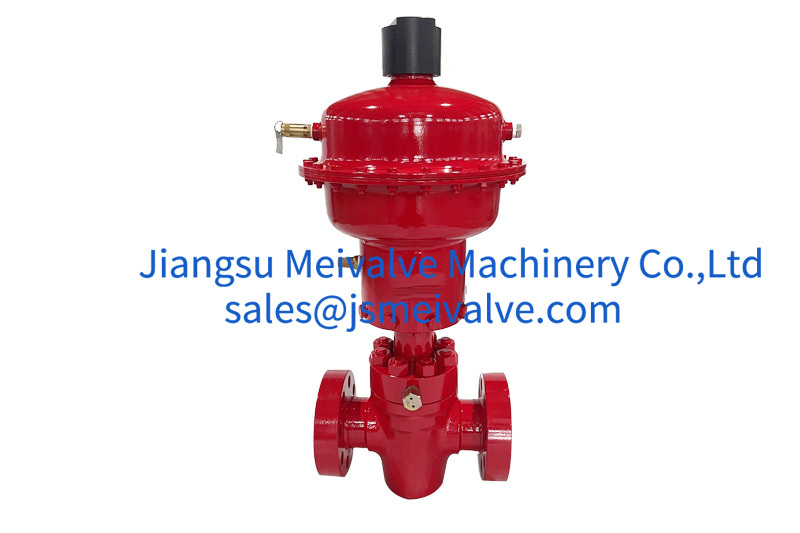
Surface Safety Valves (SSVs) are critical components in the realm of industrial equipment and safety systems, particularly in the oil and gas industry. These valves are designed to protect equipment from excessive pressure, thereby ensuring the safety and operational reliability of processes that involve the handling of hazardous materials.
The primary function of a Surface Safety Valve is to automatically release excess pressure from a system, preventing potential leaks or catastrophic failures. When the pressure within a piping system exceeds a predetermined limit, the SSV opens, allowing for the safe venting of gas or liquid. This action helps maintain the integrity of the system and protects both personnel and equipment from harm.
In terms of design, Surface Safety Valves are engineered to meet stringent industry standards. They are typically constructed from high-quality materials that can withstand harsh environmental conditions, including extreme temperatures and corrosive substances. Proper selection of materials is crucial to ensure long-term reliability and performance.
The installation of SSVs must be conducted with precision. It is essential to consider the specific operational parameters of the system, including pressure ratings and flow requirements. Additionally, regular maintenance and testing of these valves are necessary to ensure they function correctly when needed. Failure to maintain SSVs can lead to serious safety incidents, which is why adherence to maintenance schedules is paramount.
In the context of operational efficiency, Surface Safety Valves contribute significantly by minimizing downtime. When equipped with properly functioning SSVs, industrial systems can operate with greater confidence, knowing that excess pressure will be managed effectively. This reliability not only enhances safety but can also lead to cost savings over time, as it reduces the likelihood of system failures that could result in expensive repairs or lost production.
Furthermore, SSVs play a vital role in compliance with regulatory mandates. Many industries are subject to strict safety regulations that require the use of safety valves to mitigate risks associated with high-pressure systems. By incorporating Surface Safety Valves into their operations, companies can demonstrate their commitment to safety and regulatory compliance.
In conclusion, the importance of Surface Safety Valves cannot be overstated. They serve as a vital line of defense against pressure-related incidents in various industrial applications. By ensuring these valves are correctly selected, installed, and maintained, companies can protect their assets, enhance safety, and promote efficient operations. As industries continue to evolve and place greater emphasis on safety, the role of SSVs will remain integral to the operational landscape.
Hot Tags:


Contact Us
E-mail:
sales@jsmeivalve.com
Phone:
+86-15900826755
Address:
No. 888 Jiatong Road, Jianhu County Economic Development Zone, Yancheng City, Jiangsu Province



中企跨境-全域组件
制作前进入CSS配置样式
WhatsApp:
邮箱:
电话:
屏蔽页面上图片的alt/title提示
图片alt标题设置: MeiValve Machinery
CSS / JS 文件放置地