Choosing the Right Wellhead Expanding Gate Valve for Your Project
Dec 05,2025
Choosing the Right Wellhead Expanding Gate Valve for Your Project
Table of Contents
- Understanding Wellhead Expanding Gate Valves
- The Importance of Selecting the Right Valve
- Key Design Features to Consider
- Valve Materials and Construction Types
- Operating Pressure and Temperature Ratings
- Sizes and Dimensions: What You Need to Know
- Maintenance Practices for Longevity
- Common Mistakes to Avoid When Choosing a Valve
- Conclusion
- FAQs
Understanding Wellhead Expanding Gate Valves
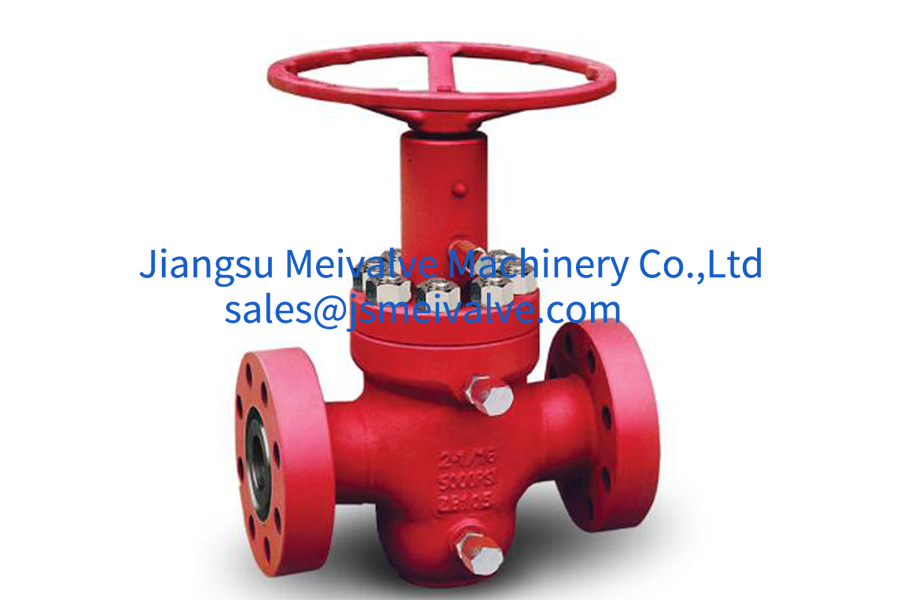
Wellhead expanding gate valves are critical components in the oil and gas industry, particularly in controlling the flow of fluids in high-pressure environments. These valves are designed to provide a tight seal, which is essential for preventing leaks and ensuring safety in operations. The unique expanding mechanism allows for enhanced sealing capabilities, making these valves ideal for applications where reliability is paramount.
The Importance of Selecting the Right Valve
Choosing the right wellhead expanding gate valve is crucial for the success of your project. An inappropriate selection can lead to operational inefficiencies, increased maintenance costs, and even catastrophic failures. The right valve will not only meet your specific pressure and temperature requirements but also enhance the overall performance of your system. Understanding your project’s unique demands will guide you in making an informed decision.
Key Design Features to Consider
When selecting a wellhead expanding gate valve, several design features should be taken into account:
1. Sealing Mechanism
The sealing mechanism is fundamental to the performance of the valve. Expanding gate valves typically feature a double-sealing design that ensures a leak-tight closure. This is particularly important in high-pressure environments.
2. Actuation Options
Consider whether you need manual or automated actuation. Automated valves can enhance operational efficiency, especially in remote or hazardous locations.
3. Flow Path Design
The flow path design impacts how fluids pass through the valve. Look for designs that minimize turbulence and pressure drop to optimize flow efficiency.
4. Body Configuration
Valves come in various body configurations, such as forged, cast, or fabricated. Each has its advantages depending on the application and material compatibility.
Valve Materials and Construction Types
The materials used in constructing wellhead expanding gate valves significantly affect their durability and performance. Common materials include:
1. Carbon Steel
Carbon steel valves are widely used due to their strength and cost-effectiveness. However, they may require additional coatings for corrosion protection.
2. Stainless Steel
Stainless steel is an excellent choice for environments prone to corrosion. Its resistance to rust and staining makes it suitable for various applications.
3. Alloy Materials
Alloy materials may be necessary for extreme environments, with specific compositions designed to withstand high pressures and temperatures.
Operating Pressure and Temperature Ratings
It’s essential to select a valve that meets your project’s operating pressure and temperature ratings. Every valve is rated for specific pressure and temperature limits, which are critical for safe and efficient operation.
1. Pressure Ratings
Common pressure ratings include ANSI classes, which denote the maximum pressure the valve can withstand. Ensure the selected valve exceeds your project’s maximum expected pressure.
2. Temperature Ratings
High-temperature applications may require valves that can perform effectively without compromising structural integrity. Consult the manufacturer's specifications for temperature ratings.
Sizes and Dimensions: What You Need to Know
The size of the gate valve should match the pipe diameter in your system. An incorrectly sized valve can lead to flow restrictions or excessive turbulence, affecting performance.
1. Standard Sizes
Valves come in standard sizes, often ranging from 2 inches to 48 inches in diameter. Custom sizes are available but may involve longer lead times and higher costs.
2. Dimensions and Flange Ratings
Consider flange ratings and dimensions that comply with your piping system. Matching flange ratings is essential for ensuring a secure fit and preventing leaks.
Maintenance Practices for Longevity
Regular maintenance is vital for extending the life of your wellhead expanding gate valve. Implementing a proactive maintenance strategy can prevent costly downtime and repairs.
1. Inspection Routines
Conducting periodic inspections helps identify wear and tear before it leads to failures. Look for signs of corrosion, leakage, or unusual wear patterns.
2. Lubrication
Proper lubrication of moving parts is essential for smooth operation. Use manufacturer-recommended lubricants to avoid damaging the valve components.
3. Replacement Parts
When wear occurs, using genuine replacement parts ensures compatibility and maintains the valve's original performance characteristics.
Common Mistakes to Avoid When Choosing a Valve
While selecting a wellhead expanding gate valve, numerous pitfalls can hinder your project's efficiency.
1. Overlooking Specifications
Failing to consider the valve’s specifications can lead to mismatched equipment. Always check pressure, temperature, and material compatibility.
2. Ignoring Manufacturer Reputation
Choosing valves from manufacturers with a poor reputation can result in reliability issues. Opt for trusted brands with proven track records.
3. Underestimating Maintenance Needs
Ignoring the maintenance requirements of the valve can result in premature failure. Understand the maintenance needs before making a selection.
Conclusion
Choosing the right wellhead expanding gate valve is a critical decision that can significantly impact the success of your industrial project. By considering design features, materials, operating parameters, and maintenance practices, you can make an informed choice that enhances both performance and reliability. Take the time to evaluate your specific needs, avoid common pitfalls, and consult with experts if necessary. This thorough approach ensures that your valve selection will support your project for years to come.
FAQs
1. What are wellhead expanding gate valves used for?
Wellhead expanding gate valves are used in the oil and gas industry to control the flow of fluids under high pressure and temperature conditions.
2. How do I determine the right size valve for my project?
The right size valve should match the diameter of the pipeline in your system, ensuring optimal flow and preventing turbulence.
3. What materials are best for high-corrosion environments?
Stainless steel and alloy materials are recommended for high-corrosion environments due to their resistance to rust and wear.
4. How often should I perform maintenance on my valve?
Regular maintenance should occur at least annually or more frequently based on operational conditions and manufacturer recommendations.
5. Can I use a wellhead expanding gate valve in a low-pressure system?
Yes, but ensure that the valve’s specifications meet the requirements of your low-pressure system to avoid unnecessary costs.
Hot Tags:


Contact Us
E-mail:
sales@jsmeivalve.com
Phone:
+86-15900826755
Address:
No. 888 Jiatong Road, Jianhu County Economic Development Zone, Yancheng City, Jiangsu Province



中企跨境-全域组件
制作前进入CSS配置样式
WhatsApp:
邮箱:
电话:
屏蔽页面上图片的alt/title提示
图片alt标题设置: MeiValve Machinery
CSS / JS 文件放置地