Understanding Surface Safety Valves: Essential Components for Industrial Safety
Jan 06,2026
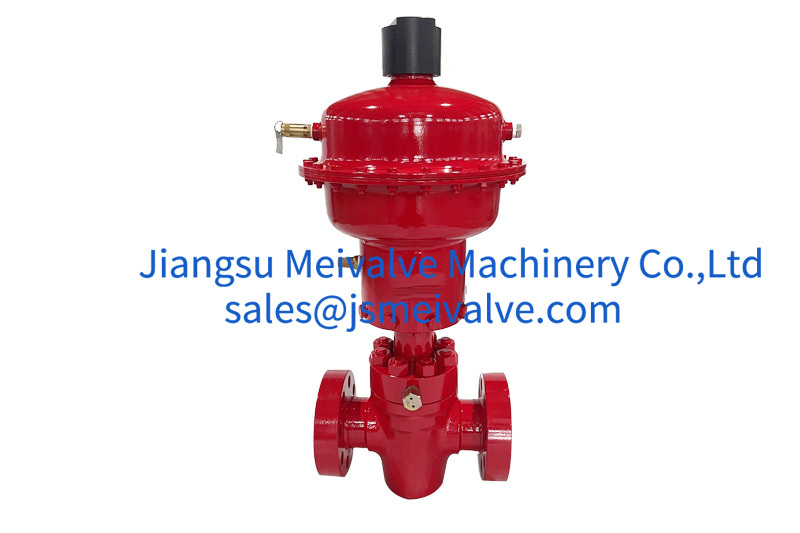
Surface safety valves (SSVs) are specialized devices designed to protect equipment and personnel from hazardous overpressure conditions within a system. They are primarily used in oil and gas operations, as well as in various other industrial applications where pressure control is crucial. Understanding the functionality and types of surface safety valves is essential for anyone involved in industrial operations, as they serve as the last line of defense against potentially catastrophic failures.
The primary purpose of a surface safety valve is to automatically release excess pressure from a system when it exceeds a predetermined limit. This is particularly important in environments where pressurized fluids or gases are stored or transported. By venting the excess pressure, SSVs help to prevent damage to equipment, reduce the risk of leaks, and ensure the safety of personnel working in proximity to potentially dangerous systems.
There are various types of surface safety valves, including spring-loaded and pilot-operated valves. Spring-loaded valves are the most common type; they utilize a spring mechanism to hold the valve closed until the set pressure is exceeded. Once that point is reached, the spring compresses, allowing the valve to open and release pressure. Pilot-operated valves, on the other hand, use a small pilot valve to control the larger main valve, offering more precise pressure regulation and faster response times. The choice between these types often depends on the specific application requirements, including the nature of the fluid, the pressure range, and the desired level of precision.
In addition to their fundamental role in pressure relief, surface safety valves are subject to rigorous testing and maintenance standards to ensure their reliability. Regular inspections and testing are necessary to confirm that these valves function correctly when needed. This preventive maintenance is crucial for safeguarding against failures that could lead to serious accidents or equipment shutdowns.
The importance of surface safety valves cannot be overstated. They are vital not only for equipment protection but also for the safety of individuals working in potentially hazardous environments. By understanding the significance and operation of SSVs, industrial professionals can better ensure compliance with safety regulations and contribute to the overall safety culture within their organizations.
In conclusion, surface safety valves are an essential component in the landscape of industrial safety. As you navigate the complexities of pressure management in your operations, recognizing the role and maintenance of these devices will enhance your safety protocols and operational efficiency.
Hot Tags:


Contact Us
E-mail:
sales@jsmeivalve.com
Phone:
+86-15900826755
Address:
No. 888 Jiatong Road, Jianhu County Economic Development Zone, Yancheng City, Jiangsu Province



中企跨境-全域组件
制作前进入CSS配置样式
WhatsApp:
邮箱:
电话:
屏蔽页面上图片的alt/title提示
图片alt标题设置: MeiValve Machinery
CSS / JS 文件放置地