
Troubleshooting Common Issues with Wellhead Expanding Gate Valves: A Comprehensive Guide
Jan 07,2026
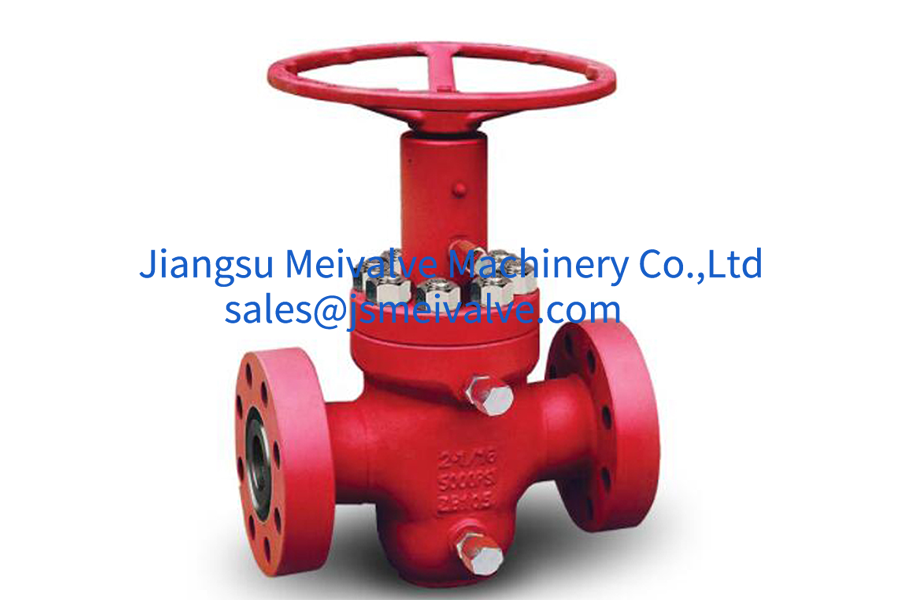
Troubleshooting Common Issues with Wellhead Expanding Gate Valves
Table of Contents
- 1. Introduction to Wellhead Expanding Gate Valves
- 2. Understanding the Structure and Function of Expanding Gate Valves
- 3. Common Issues with Wellhead Expanding Gate Valves
- 4. Diagnosing Problems in Wellhead Expanding Gate Valves
- 5. Troubleshooting Guide for Common Issues
- 6. Preventative Maintenance Tips for Wellhead Valves
- 7. When to Seek Professional Help
- 8. Conclusion
- 9. Frequently Asked Questions (FAQs)
1. Introduction to Wellhead Expanding Gate Valves
Wellhead expanding gate valves play a critical role in the oil and gas industry, regulating the flow of fluids and ensuring that production processes operate smoothly. These valves are designed to endure high pressures and harsh environments, making them essential components in wellhead assemblies. However, like any mechanical system, they can experience issues that necessitate troubleshooting and repair.
2. Understanding the Structure and Function of Expanding Gate Valves
Expanding gate valves consist of several crucial components, including the body, gate, stem, and actuator. The **gate** is the primary element that controls fluid flow, with its ability to expand and contract allowing for a tight seal when closed. This mechanism is vital for preventing leaks and ensuring safety in industrial operations.
The design of the valve enables it to handle high-pressure applications, but with such demands comes the potential for wear and mechanical failure. Understanding how these components function together aids in identifying issues when they arise.
3. Common Issues with Wellhead Expanding Gate Valves
Several common issues can affect the performance of wellhead expanding gate valves, including:
3.1 Leakages
Leakages are one of the most significant problems associated with wellhead valves. They can occur due to wear on the seals or improper installation.
3.2 Sticking or Jamming
The gate may sometimes stick in the open or closed position due to corrosion, debris accumulation, or mechanical failure, leading to operational inefficiencies.
3.3 Difficulty in Actuation
Problems with the actuator can result in difficulty in opening or closing the valve, which can severely impact production schedules.
3.4 Excessive Wear and Tear
Continuous operation under high-pressure conditions can lead to excessive wear on valve components, necessitating regular inspections and maintenance.
3.5 Improper Sizing
Choosing a valve that is not appropriately sized for the application can lead to numerous operational issues, including reduced efficiency and increased wear.
4. Diagnosing Problems in Wellhead Expanding Gate Valves
Effective troubleshooting begins with accurate diagnosis. Here are key steps for diagnosing valve issues:
4.1 Visual Inspection
Conducting a thorough visual inspection can help identify obvious signs of damage, corrosion, or leakage.
4.2 Performance Testing
Testing the valve’s performance under operating conditions can help identify issues related to actuation and flow control.
4.3 Pressure Testing
Conduct pressure tests to find leaks and assess the integrity of the valve assembly.
4.4 Review Maintenance Records
Analyzing maintenance records can provide insights into recurring problems and help pinpoint the root causes.
5. Troubleshooting Guide for Common Issues
Once diagnostic steps have been completed, you can apply this troubleshooting guide to address the identified issues.
5.1 Addressing Leakages
Replace worn seals and ensure all connections are tight. If leaks persist, consider replacing the valve.
5.2 Resolving Sticking or Jamming
Clean the valve components and use lubricants where appropriate to reduce friction. Inspect for corrosion and replace any corroded parts.
5.3 Fixing Actuation Issues
Check the actuator for proper function. Replace actuator components if necessary and ensure that all connections are secure.
5.4 Managing Excessive Wear and Tear
Implement a regular maintenance schedule, including component inspections and timely replacements, to minimize wear.
5.5 Correcting Improper Sizing
If the valve is improperly sized, consult with a valve specialist to determine the appropriate size for your application and replace it as necessary.
6. Preventative Maintenance Tips for Wellhead Valves
To ensure the longevity and reliability of wellhead expanding gate valves, implementing a robust preventative maintenance plan is crucial.
6.1 Regular Inspections
Schedule regular inspections to identify and address minor issues before they escalate into major problems.
6.2 Lubrication
Use appropriate lubricants for valve components to reduce friction and prevent sticking.
6.3 Record Keeping
Maintain detailed logs of inspections, repairs, and replacements to monitor the valve's condition over time.
6.4 Training Personnel
Train maintenance personnel on proper valve operation and maintenance procedures to prevent operational errors.
6.5 Using Quality Components
Invest in high-quality replacement parts and valves to enhance durability and performance.
7. When to Seek Professional Help
While many valve issues can be resolved through DIY troubleshooting and maintenance, some situations require professional assistance. If you encounter persistent problems that you cannot resolve, or if the valve is critical to operational safety, do not hesitate to consult a qualified technician or a valve specialist.
8. Conclusion
Troubleshooting common issues with wellhead expanding gate valves is essential for maintaining efficiency and safety in industrial environments. By understanding the structure and function of these valves, diagnosing problems accurately, and implementing effective troubleshooting strategies, you can enhance the reliability of your valve systems. Regular maintenance and professional support when necessary will ensure that your operations continue to run smoothly.
9. Frequently Asked Questions (FAQs)
9.1 What are the most common causes of leakage in wellhead expanding gate valves?
Leakages are typically caused by worn seals, improper installation, or corrosion.
9.2 How can I prevent my expanding gate valve from sticking?
Regular cleaning, lubrication, and inspections can significantly reduce the chances of sticking.
9.3 When should I replace a wellhead expanding gate valve?
If you observe persistent leakage, excessive wear, or if it fails pressure tests, it may be time for a replacement.
9.4 What maintenance tasks should be prioritized for wellhead valves?
Regular inspections, lubrication, and monitoring for wear should be prioritized.
9.5 Is it safe to troubleshoot wellhead valves without professional help?
While some issues can be addressed independently, always consult professionals for complex problems or safety-critical situations.
Hot Tags:
PREVIOUS:


Contact Us
E-mail:
sales@jsmeivalve.com
Phone:
+86-15900826755
Address:
No. 888 Jiatong Road, Jianhu County Economic Development Zone, Yancheng City, Jiangsu Province



中企跨境-全域组件
制作前进入CSS配置样式
WhatsApp:
邮箱:
电话:
屏蔽页面上图片的alt/title提示
图片alt标题设置: MeiValve Machinery
CSS / JS 文件放置地