The Essential Guide to Understanding Surface Safety Valves in Industrial Applications
Feb 07,2026
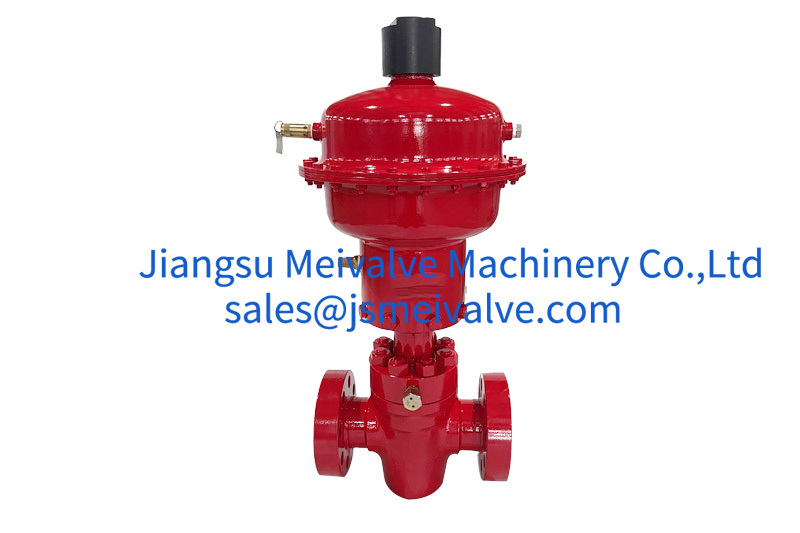
Surface safety valves (SSVs) are vital components in various industrial systems, particularly in the oil and gas sector, where they play a crucial role in maintaining safe operating conditions. These valves are specifically designed to prevent overpressure situations that could lead to catastrophic failures or accidents. Understanding the functionality, design, and application of surface safety valves is essential for professionals in the field of industrial equipment and components.
At their core, surface safety valves are automatic devices that open to release pressure when it exceeds a predetermined limit. This mechanism helps to protect equipment, personnel, and the environment from the dangers of overpressure. They are typically installed on wellheads, pipelines, and other critical points within a system where pressure regulation is necessary.
One of the primary functions of a surface safety valve is to ensure that any excess pressure is safely vented to prevent blowouts or explosions. These valves are engineered to respond swiftly to changes in pressure, often utilizing a spring-loaded design that allows for rapid activation. The quick response time is critical in emergency situations where every second counts.
Surface safety valves must comply with strict industry standards and regulations to ensure their reliability and effectiveness. Regular testing and maintenance are essential practices to confirm their proper operation. Failure to maintain these valves could result in severe safety hazards, making it imperative for organizations to develop a robust maintenance plan.
Moreover, the design of surface safety valves can vary depending on the specific application and the type of fluid being controlled. Factors such as pressure range, temperature, and the physical characteristics of the fluids must be considered when selecting the appropriate valve. Professionals in the industry should work closely with engineers and manufacturers to ensure they choose the right valve for their specific needs.
In addition to their safety functions, surface safety valves can also contribute to the efficiency of industrial processes. By maintaining optimal pressure levels within systems, these valves help to enhance performance and reduce the risk of equipment failure. This, in turn, can lead to increased productivity and profitability for businesses operating in high-stakes environments.
In conclusion, understanding surface safety valves is crucial for professionals in the industrial equipment and components sector. Their role in preventing overpressure situations cannot be overstated, and the importance of regular maintenance and compliance with industry standards is paramount. By prioritizing the selection, installation, and upkeep of these valves, organizations can safeguard their operations, staff, and the environment, ensuring a safer industrial landscape.
At their core, surface safety valves are automatic devices that open to release pressure when it exceeds a predetermined limit. This mechanism helps to protect equipment, personnel, and the environment from the dangers of overpressure. They are typically installed on wellheads, pipelines, and other critical points within a system where pressure regulation is necessary.
One of the primary functions of a surface safety valve is to ensure that any excess pressure is safely vented to prevent blowouts or explosions. These valves are engineered to respond swiftly to changes in pressure, often utilizing a spring-loaded design that allows for rapid activation. The quick response time is critical in emergency situations where every second counts.
Surface safety valves must comply with strict industry standards and regulations to ensure their reliability and effectiveness. Regular testing and maintenance are essential practices to confirm their proper operation. Failure to maintain these valves could result in severe safety hazards, making it imperative for organizations to develop a robust maintenance plan.
Moreover, the design of surface safety valves can vary depending on the specific application and the type of fluid being controlled. Factors such as pressure range, temperature, and the physical characteristics of the fluids must be considered when selecting the appropriate valve. Professionals in the industry should work closely with engineers and manufacturers to ensure they choose the right valve for their specific needs.
In addition to their safety functions, surface safety valves can also contribute to the efficiency of industrial processes. By maintaining optimal pressure levels within systems, these valves help to enhance performance and reduce the risk of equipment failure. This, in turn, can lead to increased productivity and profitability for businesses operating in high-stakes environments.
In conclusion, understanding surface safety valves is crucial for professionals in the industrial equipment and components sector. Their role in preventing overpressure situations cannot be overstated, and the importance of regular maintenance and compliance with industry standards is paramount. By prioritizing the selection, installation, and upkeep of these valves, organizations can safeguard their operations, staff, and the environment, ensuring a safer industrial landscape.
Hot Tags:


Contact Us
E-mail:
sales@jsmeivalve.com
Phone:
+86-15900826755
Address:
No. 888 Jiatong Road, Jianhu County Economic Development Zone, Yancheng City, Jiangsu Province



中企跨境-全域组件
制作前进入CSS配置样式
WhatsApp:
邮箱:
电话:
屏蔽页面上图片的alt/title提示
图片alt标题设置: MeiValve Machinery
CSS / JS 文件放置地