Essential Maintenance Tips for Wellhead Expanding Gate Valves: A Comprehensive Guide
Feb 08,2026
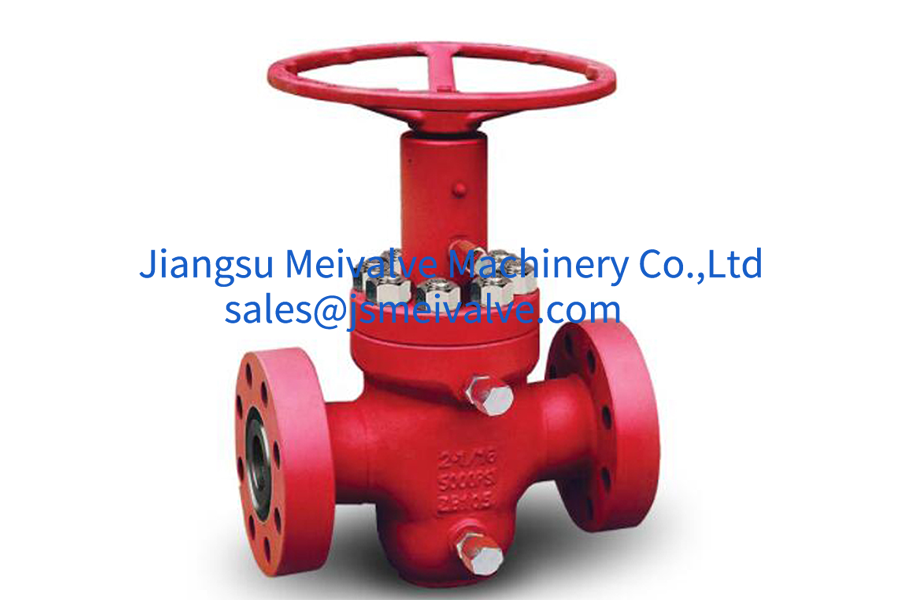
Essential Maintenance Tips for Wellhead Expanding Gate Valves
Understanding Wellhead Expanding Gate Valves
Wellhead expanding gate valves are critical components in the oil and gas industry, primarily used to control the flow of fluids in a wellhead system. These valves are designed for high-pressure applications and provide reliable sealing capabilities. Their robust design and functionality make them essential for maintaining operational efficiency and safety. In this article, we will delve into essential maintenance tips that can help ensure optimal performance of your wellhead expanding gate valves.
Why Maintenance is Crucial for Wellhead Expanding Gate Valves
Maintenance is vital for several reasons:
1. Safety Considerations
Neglecting valve maintenance can lead to catastrophic failures, posing safety risks to personnel and equipment. Regular inspections and servicing help identify potential hazards early on.
2. Performance Optimization
Well-maintained valves contribute to improved system efficiency. An expanding gate valve in good condition operates seamlessly, minimizing disruptions in production.
3. Cost-Effectiveness
Investing in regular maintenance can save significant costs in the long run. Preventative actions help avoid costly repairs and replacements, ensuring your system runs smoothly.
Key Maintenance Practices for Wellhead Expanding Gate Valves
To maintain the integrity and functionality of wellhead expanding gate valves, we recommend the following practices:
1. Regular Inspections
Conduct routine inspections to assess the condition of your valves. Look for signs of wear, corrosion, or leaks. Inspect the sealing surfaces, as they are critical for preventing fluid escape.
How to Perform Inspections
- **Visual Checks:** Examine the exterior for damage or corrosion.
- **Functional Tests:** Operate the valve to ensure it opens and closes smoothly.
- **Pressure Testing:** Check for leaks under operating conditions.
2. Lubrication Maintenance
Proper lubrication is essential for the smooth operation of wellhead expanding gate valves. Regularly apply the appropriate lubricant to moving parts to minimize friction and wear.
Choosing the Right Lubricant
Select a lubricant compatible with the valve material and operating environment. Consider factors such as temperature extremes and fluid types when making your choice.
3. Cleaning Procedures
Dirt, debris, and contaminants can impair valve function. Implement a cleaning schedule to ensure all components are free from obstructions.
Effective Cleaning Techniques
- **Chemical Cleaners:** Use specialized solutions for stubborn deposits.
- **Mechanical Cleaning:** Employ brushes and tools to remove debris without damaging surfaces.
4. Checking Sealing Integrity
The sealing capability of an expanding gate valve is paramount. Inspect the seals for wear and replace them as necessary to maintain leak-proof operation.
Seal Replacement Process
- **Removal:** Carefully take out the old seals, ensuring no debris remains.
- **Inspection:** Examine the groove and seating surface for damage.
- **Installation:** Insert new seals properly to avoid future leaks.
5. Monitoring Operating Conditions
Keep track of the operating conditions, including pressure, temperature, and fluid characteristics. This data can help predict potential issues and guide maintenance efforts.
Use of Monitoring Equipment
Install sensors and gauges to continuously monitor valve performance and operating conditions, providing real-time data for timely interventions.
Common Issues and Troubleshooting Tips
Despite the best maintenance practices, issues may still arise. Here are common problems and how to troubleshoot them:
1. Valve Leakage
Leakages can occur due to worn seals or improper installation.
Troubleshooting Steps
- **Inspect Seals:** Check for damage and replace if necessary.
- **Tighten Connections:** Ensure all bolts and fittings are secure.
2. Difficulty in Operation
If the valve is hard to open or close, it may indicate mechanical issues or lack of lubrication.
Troubleshooting Steps
- **Lubricate Parts:** Apply the right lubricant to moving components.
- **Inspect for Obstructions:** Ensure there are no foreign objects hindering movement.
3. Corrosion and Wear
Corrosion can significantly impact valve functionality.
Troubleshooting Steps
- **Evaluate Material Compatibility:** Ensure that the valve materials are suitable for the operating environment.
- **Perform Regular Cleaning:** Implement a cleaning schedule to minimize corrosion.
Documenting Maintenance Activities
Maintaining accurate records of all maintenance activities is essential. Documentation provides insights into the valve's lifecycle and can assist in future troubleshooting.
What to Document
- **Inspection Dates:** Record the frequency of inspections.
- **Maintenance Performed:** Note all repairs, replacements, and cleaning activities.
- **Operating Conditions:** Track changes in pressure and temperature over time.
Training and Awareness for Personnel
Proper training for personnel involved in valve maintenance is crucial. Ensure that all team members understand the maintenance procedures, safety protocols, and the importance of wellhead expanding gate valves.
Training Topics to Cover
- **Valve Operation:** Educate staff on how to operate and inspect valves properly.
- **Safety Protocols:** Emphasize safety measures during maintenance activities.
- **Documentation Practices:** Train personnel on maintaining accurate records.
FAQs About Wellhead Expanding Gate Valve Maintenance
1. How often should I inspect my wellhead expanding gate valves?
We recommend conducting inspections at least quarterly, depending on operational conditions.
2. What are the signs that my valve needs maintenance?
Look for signs such as leaks, difficulty in operation, and visible corrosion on the valve body.
3. Can I perform maintenance on my wellhead expanding gate valves myself?
While basic maintenance can be performed by trained personnel, complex repairs should be handled by qualified professionals.
4. What is the best lubricant for wellhead expanding gate valves?
Choosing a lubricant depends on the valve material and operating environment. Consult manufacturer guidelines for recommendations.
5. How do I know if my valve seals need to be replaced?
If you notice leaks during operation or see visible wear on the seals, it’s time for a replacement.
Conclusion
Proper maintenance of wellhead expanding gate valves is essential for ensuring safety, optimizing performance, and reducing long-term costs. By implementing the maintenance practices outlined in this guide, you can enhance the reliability of your valves and minimize the risk of failures. Regular inspections, effective cleaning, lubrication, and personnel training are all critical components of a successful maintenance strategy. Prioritize these practices to protect your investment and maintain the efficiency of your operations.
Hot Tags:


Contact Us
E-mail:
sales@jsmeivalve.com
Phone:
+86-15900826755
Address:
No. 888 Jiatong Road, Jianhu County Economic Development Zone, Yancheng City, Jiangsu Province



中企跨境-全域组件
制作前进入CSS配置样式
WhatsApp:
邮箱:
电话:
屏蔽页面上图片的alt/title提示
图片alt标题设置: MeiValve Machinery
CSS / JS 文件放置地