
Mud Gate Valves vs. Ball Valves: Which Is Better for Your Application?
Mar 15,2026

Mud Gate Valves vs. Ball Valves: Which Is Better for Your Application?
Table of Contents
- Introduction to Valves in Industrial Applications
- Understanding Mud Gate Valves
- Characteristics of Mud Gate Valves
- Understanding Ball Valves
- Characteristics of Ball Valves
- Comparative Analysis of Mud Gate Valves and Ball Valves
- Choosing the Right Valve for Your Application
- Frequently Asked Questions
- Conclusion
Introduction to Valves in Industrial Applications
Valves play a pivotal role in the control of fluid and gas flow within various industrial applications. From regulating the flow of water in pipelines to managing the complex systems in oil and gas operations, understanding the types of valves available is essential for optimizing performance and safety. In this article, we will delve into **Mud Gate Valves** and **Ball Valves**, comparing their functionalities, advantages, and ideal applications, to help you make an informed decision.
Understanding Mud Gate Valves
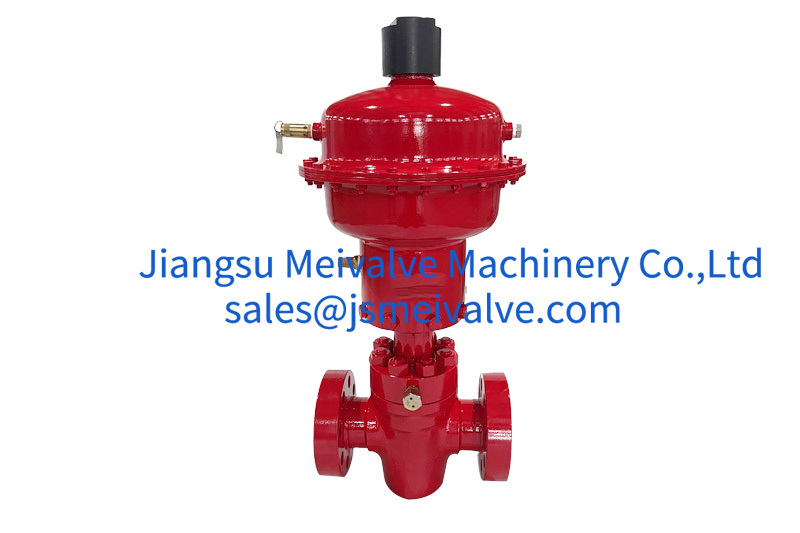
Mud Gate Valves are specifically designed for use in high-pressure, high-temperature applications where the flow of viscous fluids, such as mud, needs to be controlled. These valves are particularly common in the drilling and excavation industries, where they prevent the backflow of drilling mud, which is crucial for maintaining pressure and stability in drilling operations.
Design and Functionality
Mud Gate Valves typically feature a simple, robust design that incorporates a gate mechanism to control flow. When the valve is open, the gate is retracted, allowing fluid to flow freely. Conversely, when closed, the gate seals against the valve body to prevent any leakage. This straightforward mechanism makes Mud Gate Valves reliable in demanding environments.
Applications of Mud Gate Valves
These valves excel in environments involving:
- **Drilling Operations**: Preventing backflow and maintaining pressure during drilling activities.
- **Slurry Transport**: Managing the flow of slurries in various industrial processes.
- **Waste Management**: Controlling the flow of waste materials in treatment plants.
Characteristics of Mud Gate Valves
Several key characteristics define Mud Gate Valves, making them suitable for industrial use:
Durability
Mud Gate Valves are constructed from robust materials that withstand the rigors of high-pressure environments, ensuring longevity and reliability.
Flow Control
These valves provide excellent flow control, minimizing turbulence and allowing for smooth transitions in fluid movement.
Low Maintenance
Due to their simple design and durable materials, Mud Gate Valves require minimal maintenance, making them cost-effective for long-term use.
Understanding Ball Valves
Ball Valves are another popular type of valve used across various industries. They utilize a spherical ball with a hole through the center to regulate flow. When the valve is open, the hole aligns with the pipeline, allowing fluid to pass. When closed, the ball turns to block the flow entirely.
Design and Functionality
Ball Valves are known for their ease of use and quick operation. They typically feature a lever or handle that allows for rapid opening and closing, making them ideal for applications requiring frequent adjustments.
Applications of Ball Valves
Ball Valves are versatile and widely used in:
- **Water Supply Systems**: Managing water flow in residential and commercial buildings.
- **Oil and Gas Industries**: Controlling the flow of hydrocarbons in pipelines and refineries.
- **Chemical Processing**: Safely handling various chemicals and corrosive materials.
Characteristics of Ball Valves
Several distinguishing characteristics of Ball Valves contribute to their popularity:
Quick Operation
The simple on/off control mechanism enables rapid opening and closing, making Ball Valves ideal for applications requiring frequent flow adjustments.
Minimal Leakage
Ball Valves provide an excellent seal when closed, significantly reducing the risk of leakage and ensuring safety in sensitive applications.
Wide Range of Sizes and Materials
Available in various sizes and materials, Ball Valves can be customized for different applications, enhancing their versatility.
Comparative Analysis of Mud Gate Valves and Ball Valves
When deciding between Mud Gate Valves and Ball Valves, several factors should be considered:
Flow Characteristics
Mud Gate Valves are designed for high flow rates and low-pressure drops, making them suitable for viscous fluids. In contrast, Ball Valves excel in applications requiring quick flow control and minimal leakage.
Durability and Maintenance
Both types of valves are durable, but Mud Gate Valves tend to require less maintenance due to their simpler design. Ball Valves, while also robust, may need more frequent upkeep depending on the application.
Cost Considerations
Mud Gate Valves can be more cost-effective for applications involving heavy-duty operations, while Ball Valves may be slightly more expensive due to their versatility and advanced sealing mechanisms.
Installation and Space Requirements
Ball Valves can often be installed in tighter spaces due to their compact design, while Mud Gate Valves may require more room for operation due to their larger body size.
Choosing the Right Valve for Your Application
The decision between Mud Gate Valves and Ball Valves ultimately depends on the specific requirements of your application. Here are some key considerations:
Fluid Type
If your application involves viscous fluids or slurries, Mud Gate Valves may be the better choice. For cleaner liquids or gases, Ball Valves might be more suitable.
Frequency of Operation
For applications requiring frequent adjustments, Ball Valves offer quick operation. If the valve will remain in a fixed position, Mud Gate Valves are a strong option.
Pressure and Temperature
Assess the operating conditions of your application. Mud Gate Valves are ideal for high-pressure applications, while Ball Valves are versatile across various pressure ranges.
Budget Considerations
Evaluate your budget and the long-term costs associated with maintenance and operation. Mud Gate Valves may offer lower lifetime costs in demanding environments.
Frequently Asked Questions
1. What is the main advantage of using Mud Gate Valves?
Mud Gate Valves provide excellent flow control for viscous fluids, minimizing turbulence and maintaining pressure in drilling and excavation operations.
2. Can Ball Valves be used for high-pressure applications?
Yes, Ball Valves can handle high-pressure applications but should be selected based on the specific pressure rating and material compatibility.
3. How do I maintain Mud Gate Valves?
Regular inspections and cleaning are recommended to ensure proper functioning. Check for wear and tear in the gate mechanism.
4. Are Ball Valves more expensive than Mud Gate Valves?
Generally, Ball Valves can be slightly more expensive due to their versatility and advanced design, but costs vary based on size, material, and brand.
5. Which valve type is better for slurry applications?
Mud Gate Valves are typically better suited for slurry applications due to their design, which minimizes flow resistance and turbulence.
Conclusion
In the debate between **Mud Gate Valves** and **Ball Valves**, the choice largely hinges on your specific application requirements. Mud Gate Valves excel in high-pressure, viscous fluid environments, while Ball Valves offer versatility and quick operation for a wide range of applications. By understanding the characteristics, advantages, and ideal use cases of each valve type, you can make a well-informed decision that enhances the efficiency and safety of your operations. Whether you prioritize durability, maintenance, or cost, a thorough analysis will lead you to the best solution for your industrial needs.
Hot Tags:

Contact Us
E-mail:
sales@jsmeivalve.com
Phone:
+86-15900826755
Address:
No. 888 Jiatong Road, Jianhu County Economic Development Zone, Yancheng City, Jiangsu Province



中企跨境-全域组件
制作前进入CSS配置样式
WhatsApp:
邮箱:
电话:
屏蔽页面上图片的alt/title提示
图片alt标题设置: MeiValve Machinery
CSS / JS 文件放置地