
Understanding Surface Safety Valves: Essential Components for Industrial Applications
Mar 16,2026
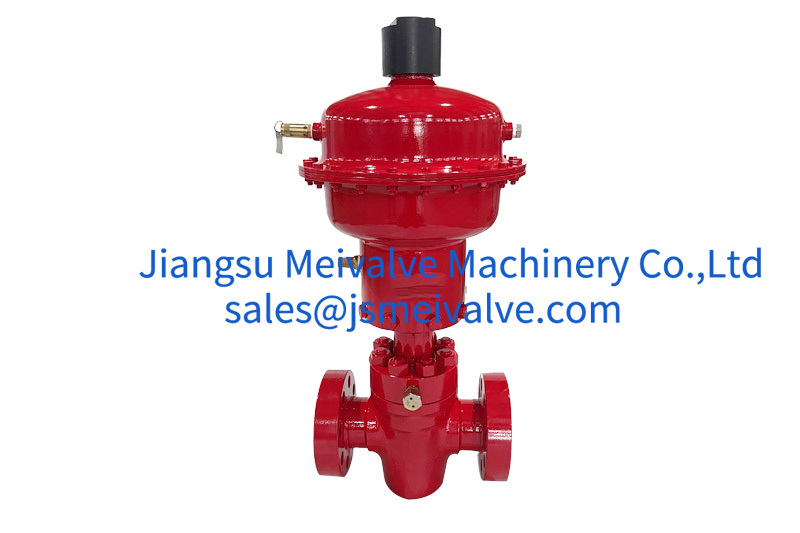
Surface safety valves (SSVs) play a vital role in the industrial landscape, primarily designed to prevent overpressure conditions in various systems. These valves are engineered to automatically vent fluids or gases when the pressure exceeds a predetermined threshold, thereby safeguarding equipment and personnel from potential hazards associated with high-pressure situations.
One of the key functionalities of surface safety valves is their ability to maintain operational integrity by providing a reliable means for overpressure protection. This is especially crucial in industries such as oil and gas, chemical processing, and power generation, where the consequences of pressure excursions can lead to catastrophic failures. SSVs are typically installed at strategic locations within a system—often at the wellhead or on pipelines—ensuring immediate response to pressure fluctuations.
The design of surface safety valves can vary depending on their specific application, but they generally consist of a valve body, a spring mechanism, and a sealing element. The spring mechanism is calibrated to open the valve at a specific pressure, allowing excess pressure to be released while keeping the system operating efficiently under normal conditions. This design not only enhances safety but also minimizes downtime by preventing unnecessary system shutdowns.
In addition to their protective function, surface safety valves are subject to stringent regulatory standards. Compliance with industry regulations is paramount, as it ensures the reliability of the valves and the safety of the systems they protect. Regular inspections and maintenance of SSVs are essential to confirm their functionality and adherence to these regulations. Professionals working with these valves should be well-versed in proper installation techniques, testing protocols, and maintenance schedules to guarantee optimal performance.
Moreover, advancements in technology have led to the development of smart surface safety valves equipped with digital monitoring systems. These innovations enable real-time tracking of valve performance, pressure levels, and operational status, significantly enhancing safety and facilitating proactive maintenance strategies.
In conclusion, understanding surface safety valves is crucial for professionals in the industrial sector. Their role in preventing overpressure conditions cannot be overstated, and knowledge of their design, functionality, and regulatory requirements is essential for optimizing safety and efficiency. By prioritizing the proper use and maintenance of these critical components, industries can mitigate risks and ensure a safer working environment.
One of the key functionalities of surface safety valves is their ability to maintain operational integrity by providing a reliable means for overpressure protection. This is especially crucial in industries such as oil and gas, chemical processing, and power generation, where the consequences of pressure excursions can lead to catastrophic failures. SSVs are typically installed at strategic locations within a system—often at the wellhead or on pipelines—ensuring immediate response to pressure fluctuations.
The design of surface safety valves can vary depending on their specific application, but they generally consist of a valve body, a spring mechanism, and a sealing element. The spring mechanism is calibrated to open the valve at a specific pressure, allowing excess pressure to be released while keeping the system operating efficiently under normal conditions. This design not only enhances safety but also minimizes downtime by preventing unnecessary system shutdowns.
In addition to their protective function, surface safety valves are subject to stringent regulatory standards. Compliance with industry regulations is paramount, as it ensures the reliability of the valves and the safety of the systems they protect. Regular inspections and maintenance of SSVs are essential to confirm their functionality and adherence to these regulations. Professionals working with these valves should be well-versed in proper installation techniques, testing protocols, and maintenance schedules to guarantee optimal performance.
Moreover, advancements in technology have led to the development of smart surface safety valves equipped with digital monitoring systems. These innovations enable real-time tracking of valve performance, pressure levels, and operational status, significantly enhancing safety and facilitating proactive maintenance strategies.
In conclusion, understanding surface safety valves is crucial for professionals in the industrial sector. Their role in preventing overpressure conditions cannot be overstated, and knowledge of their design, functionality, and regulatory requirements is essential for optimizing safety and efficiency. By prioritizing the proper use and maintenance of these critical components, industries can mitigate risks and ensure a safer working environment.
Hot Tags:

Contact Us
E-mail:
sales@jsmeivalve.com
Phone:
+86-15900826755
Address:
No. 888 Jiatong Road, Jianhu County Economic Development Zone, Yancheng City, Jiangsu Province



中企跨境-全域组件
制作前进入CSS配置样式
WhatsApp:
邮箱:
电话:
屏蔽页面上图片的alt/title提示
图片alt标题设置: MeiValve Machinery
CSS / JS 文件放置地