How to Choose the Right Surface Safety Valve for Your Operations
Mar 21,2026
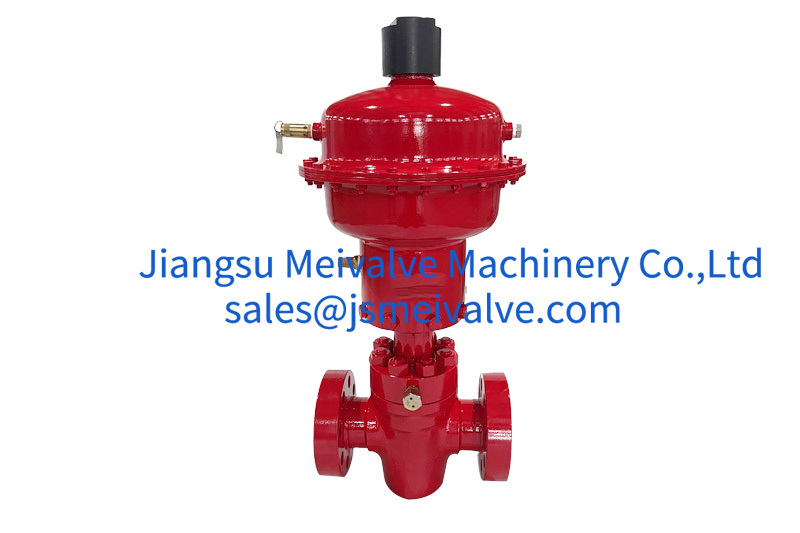
How to Choose the Right Surface Safety Valve for Your Operations
Table of Contents
- Understanding Surface Safety Valves
- The Importance of Safety Valves in Industrial Operations
- Key Factors to Consider When Choosing a Surface Safety Valve
- Types of Surface Safety Valves
- Technical Specifications and Industry Standards
- Installation and Maintenance Considerations
- Common Mistakes to Avoid When Selecting Safety Valves
- Frequently Asked Questions
- Conclusion
Understanding Surface Safety Valves
Surface safety valves are critical components in various industrial applications, specifically designed to protect equipment and personnel from overpressure scenarios. These valves act as a fail-safe mechanism that helps prevent catastrophic failures by releasing excess pressure when predetermined limits are exceeded. They are commonly employed in oil and gas, chemical processing, and power generation industries.
The Importance of Safety Valves in Industrial Operations
In industrial operations, the significance of surface safety valves cannot be overstated. They serve the crucial purpose of maintaining system integrity and ensuring safe operations. By automatically releasing excess pressure, safety valves protect both equipment and human lives. This proactive measure minimizes potential hazards, including explosions or equipment failures, thereby reducing downtime and associated costs.
Key Factors to Consider When Choosing a Surface Safety Valve
Selecting the right surface safety valve requires careful consideration of several key factors:
1. Pressure Rating
The pressure rating of a surface safety valve is a primary consideration. It should match or exceed the maximum operating pressure of the system. Choosing a valve with the appropriate pressure rating ensures that it can handle the operational demands without risking failure.
2. Material Compatibility
Material compatibility is crucial in environments where corrosive substances are present. Understanding the materials that will be in contact with the valve helps prevent degradation and ensures longevity. Common materials include stainless steel, carbon steel, and various alloys.
3. Size and Connection Type
The size of the valve must be compatible with the piping system. Additionally, consider the connection type (flanged, threaded, or welded) to ensure proper installation and functionality.
4. Set Pressure
The set pressure, or the pressure at which the valve opens to relieve excess pressure, is another vital factor. It should be set according to the specific requirements of your operation to ensure effective pressure control.
5. Flow Capacity
Assessing the flow capacity of the valve is essential for understanding how much fluid can pass through it when activated. An appropriately sized valve will ensure efficient pressure relief without causing operational disruptions.
Types of Surface Safety Valves
There are several types of surface safety valves, each designed for specific applications and conditions:
1. Conventional Safety Valves
Conventional safety valves operate based on the principle of spring-loaded mechanisms. These are widely used in many industries due to their simplicity and reliability.
2. Pilot-Operated Safety Valves
Pilot-operated safety valves use a smaller pilot valve to control the opening of a larger main valve. These are ideal for high-pressure applications and provide better leakage control.
3. Balanced Safety Valves
Balanced safety valves are designed to minimize the effect of backpressure on the valve's operation. They are suitable for applications where upstream pressure fluctuations are common.
Technical Specifications and Industry Standards
Understanding the technical specifications and standards governing safety valves is critical for compliance and efficiency. The American Society of Mechanical Engineers (ASME) provides guidelines, including ASME Section VIII for pressure vessels and ASME B31.3 for process piping. Compliance with these standards ensures safety and reliability in operations.
Installation and Maintenance Considerations
Proper installation and routine maintenance of surface safety valves are vital for optimal performance. Here are some key considerations:
1. Installation Best Practices
Ensure that the valve is installed in a location where it can operate freely without obstruction. Follow all manufacturer guidelines regarding orientation and connection type.
2. Regular Maintenance Checks
Conducting regular maintenance checks is essential to ensure the valve operates correctly. This includes inspecting for leaks, checking set pressure, and verifying the overall condition of the valve.
3. Testing Procedures
Implement routine testing procedures to verify the functionality of the safety valve. This may include pressure testing and functional tests to ensure the valve opens and closes as intended.
Common Mistakes to Avoid When Selecting Safety Valves
When choosing a surface safety valve, it's easy to make mistakes that can lead to operational inefficiencies or safety hazards. Here are some common pitfalls to avoid:
1. Ignoring Manufacturer Specifications
Not adhering to the manufacturer's specifications can result in improper valve performance. Always consult the technical data sheets provided by the manufacturer.
2. Underestimating Flow Requirements
Underestimating the flow requirements can lead to a safety valve that cannot effectively relieve pressure, putting the system at risk.
3. Failing to Consider Environmental Factors
Neglecting environmental conditions, such as temperature and corrosive substances, can compromise the integrity of the safety valve, leading to premature failure.
Frequently Asked Questions
1. What is the primary function of a surface safety valve?
The primary function of a surface safety valve is to protect industrial systems from overpressure by automatically venting excess pressure when it exceeds safe limits.
2. How do I determine the correct size of a safety valve?
The correct size of a safety valve can be determined by calculating the required flow rate and matching it with the valve's flow capacity specifications.
3. What materials are best for corrosive environments?
In corrosive environments, materials such as stainless steel and specific alloys are recommended due to their resistance to corrosion and wear.
4. How often should safety valves be tested?
It is recommended to test safety valves at least annually, or more frequently if the operating conditions are particularly harsh.
5. Can I install a safety valve myself?
While some may have the skills to install a safety valve, it is advisable to have a qualified technician perform the installation to ensure compliance with safety standards.
Conclusion
Choosing the right surface safety valve for your operations is a critical decision that impacts both safety and efficiency. By understanding the various types of valves, considering key factors such as pressure ratings and material compatibility, and adhering to industry standards, you can ensure that your systems operate smoothly and safely. Regular maintenance and testing will further enhance the reliability of your safety valves, ultimately safeguarding your operations from potentially catastrophic failures. Take the time to make informed choices, and you'll be well-equipped to protect your industrial processes effectively.
Hot Tags:
PREVIOUS:

Contact Us
E-mail:
sales@jsmeivalve.com
Phone:
+86-15900826755
Address:
No. 888 Jiatong Road, Jianhu County Economic Development Zone, Yancheng City, Jiangsu Province



中企跨境-全域组件
制作前进入CSS配置样式
WhatsApp:
邮箱:
电话:
屏蔽页面上图片的alt/title提示
图片alt标题设置: MeiValve Machinery
CSS / JS 文件放置地