
Exploring the Benefits of Using Wellhead Tubing Heads in Oil Production
Apr 08,2026
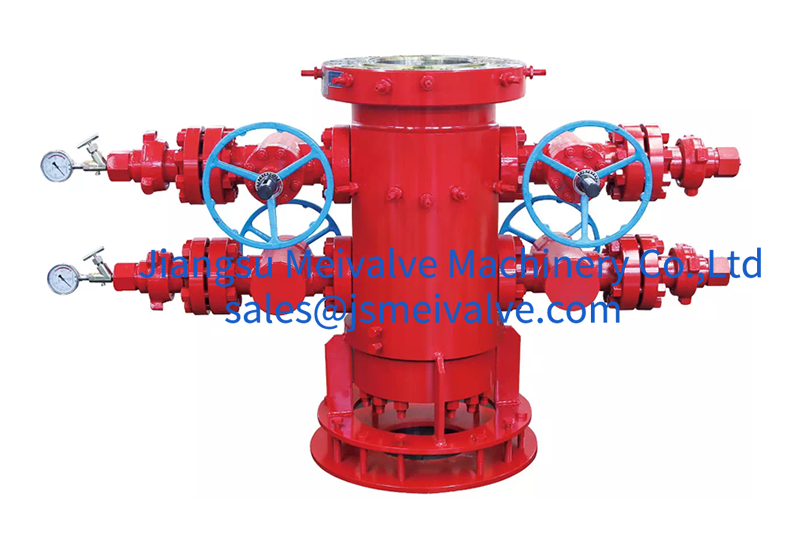
Exploring the Benefits of Using Wellhead Tubing Heads in Oil Production
Table of Contents
- 1. Introduction to Wellhead Tubing Heads
- 2. Functionality of Wellhead Tubing Heads
- 3. Advantages of Using Wellhead Tubing Heads
- 3.1 Enhanced Safety Features
- 3.2 Improved Production Efficiency
- 3.3 Cost-Effectiveness
- 3.4 Environmental Protection
- 4. Types of Wellhead Tubing Heads
- 5. Installation and Maintenance of Wellhead Tubing Heads
- 6. Applications in Oil Production
- 7. The Future of Wellhead Tubing Heads in Oil Production
- 8. Frequently Asked Questions (FAQs)
- 9. Conclusion
1. Introduction to Wellhead Tubing Heads
Wellhead tubing heads are essential components in the oil production process. They serve as the interface between the well and the surface production equipment, playing a crucial role in controlling the flow of hydrocarbons from the reservoir to the surface. Understanding their function and benefits is vital for anyone involved in the oil and gas industry.
2. Functionality of Wellhead Tubing Heads
The primary function of wellhead tubing heads is to provide a secure and controlled exit point for produced fluids. They are designed to handle high-pressure and high-temperature conditions, ensuring that the flow of oil and gas is managed safely. Additionally, tubing heads facilitate the installation of various equipment, such as blowout preventers (BOPs) and production trees, which are essential for safe and efficient operations.
3. Advantages of Using Wellhead Tubing Heads
Wellhead tubing heads offer numerous advantages that contribute to safer and more efficient oil production.
3.1 Enhanced Safety Features
Safety is paramount in oil production, and wellhead tubing heads are designed with various safety features to mitigate risks. These heads often include pressure relief valves and other mechanisms that prevent over-pressurization and potential blowouts. By incorporating advanced safety designs, operators can significantly reduce the risk of accidents and ensure the protection of personnel and equipment.
3.2 Improved Production Efficiency
Wellhead tubing heads enhance production efficiency by allowing for the seamless flow of hydrocarbons. They are engineered to minimize pressure drops and fluid turbulence, enabling a more stable and continuous production process. This efficiency translates into increased output and reduced downtime, ultimately leading to higher revenue for operators.
3.3 Cost-Effectiveness
Investing in high-quality wellhead tubing heads can lead to significant cost savings in the long run. Their durability and reliability reduce the likelihood of failures and maintenance needs, which can be expensive and time-consuming. Additionally, the improved efficiency they provide means that operators can achieve greater production levels without proportionately increasing operational costs.
3.4 Environmental Protection
Environmental concerns are increasingly important in the oil and gas industry. Wellhead tubing heads contribute to environmental protection by minimizing the risk of leaks and spills. Their robust design and advanced sealing technologies help contain produced fluids, reducing the potential for contamination and ensuring compliance with environmental regulations.
4. Types of Wellhead Tubing Heads
There are several types of wellhead tubing heads, each designed for specific applications. The choice of tubing head depends on factors such as well conditions, production requirements, and regulatory standards.
4.1 Single Tubing Heads
Single tubing heads are the most common type, designed to accommodate a single string of tubing. They are ideal for standard production operations and are widely used across various oil fields.
4.2 Multiple Tubing Heads
Multiple tubing heads allow for the installation of multiple strings of tubing within a single wellhead. This design is particularly useful in complex wells where multiple zones are being produced simultaneously.
4.3 Casing Heads
Casing heads are a specialized type of wellhead that provides a connection point for the casing string. They are typically used in conjunction with tubing heads to create a comprehensive wellhead system.
5. Installation and Maintenance of Wellhead Tubing Heads
Proper installation and maintenance are critical for the effective operation of wellhead tubing heads.
5.1 Installation Process
The installation of wellhead tubing heads requires skilled technicians to ensure that all components are correctly aligned and secured. The process typically involves the following steps:
1. **Preparing the wellhead location** to accommodate the tubing head.
2. **Aligning the tubing head** with the wellbore and securing it in position.
3. **Testing for leaks** and ensuring proper sealing.
4. **Integrating safety equipment**, such as BOPs, as required.
5.2 Maintenance Requirements
Regular maintenance is essential to ensure the longevity and reliability of wellhead tubing heads. Operators should conduct routine inspections to check for signs of wear, corrosion, or damage. Additionally, maintaining seal integrity and performing pressure tests are crucial for operational safety.
6. Applications in Oil Production
Wellhead tubing heads are versatile components that find applications in various aspects of oil production. They are used in onshore and offshore drilling operations, enhanced oil recovery techniques, and well stimulation processes. Their adaptability makes them suitable for a wide range of environmental conditions and production scenarios.
7. The Future of Wellhead Tubing Heads in Oil Production
As the oil and gas industry continues to evolve, the design and technology of wellhead tubing heads are expected to advance. Innovations in materials, automation, and monitoring technologies will likely enhance their efficiency, safety, and environmental performance. The future of wellhead tubing heads will be characterized by smarter systems that leverage data analytics and IoT capabilities to optimize production processes.
8. Frequently Asked Questions (FAQs)
8.1 What is a wellhead tubing head?
A wellhead tubing head is a component used in oil production that provides a secure exit point for hydrocarbons from the well to the surface production equipment.
8.2 How do wellhead tubing heads improve safety?
Wellhead tubing heads improve safety by incorporating features such as pressure relief valves and advanced sealing technologies that prevent leaks and blowouts.
8.3 What are the maintenance requirements for wellhead tubing heads?
Regular inspections, testing for leaks, and maintaining seal integrity are critical maintenance requirements for wellhead tubing heads.
8.4 Can wellhead tubing heads be used in offshore drilling?
Yes, wellhead tubing heads are commonly used in both onshore and offshore drilling operations due to their robust design and adaptability to various environmental conditions.
8.5 What factors influence the selection of a wellhead tubing head?
The selection of a wellhead tubing head is influenced by well conditions, production requirements, and regulatory standards. Operators must consider these factors to choose the most suitable design for their needs.
9. Conclusion
In summary, wellhead tubing heads play a vital role in the oil production process, offering numerous benefits that enhance safety, efficiency, cost-effectiveness, and environmental protection. As technology continues to advance, these components will become even more integral to successful oil and gas operations. Understanding their importance and functionality is essential for industry professionals who aim to optimize production and ensure operational safety. As we move forward, investing in high-quality wellhead tubing heads will be crucial for maintaining competitive advantage in the evolving oil and gas sector.
Hot Tags:
PREVIOUS:

Contact Us
E-mail:
sales@jsmeivalve.com
Phone:
+86-15900826755
Address:
No. 888 Jiatong Road, Jianhu County Economic Development Zone, Yancheng City, Jiangsu Province



中企跨境-全域组件
制作前进入CSS配置样式
WhatsApp:
邮箱:
电话:
屏蔽页面上图片的alt/title提示
图片alt标题设置: MeiValve Machinery
CSS / JS 文件放置地