The Benefits of Regularly Inspecting Your Wellhead Casing Head
Apr 10,2026
The Benefits of Regularly Inspecting Your Wellhead Casing Head
Introduction to Wellhead Casing Heads
The wellhead casing head serves as a critical component in the oil and gas industry, acting as the focal point for controlling the flow of fluids and gases from underground reservoirs. Proper maintenance and regular inspections of this crucial equipment can significantly impact operational efficiency, safety, and equipment longevity.
Understanding the Function of Wellhead Casing Heads
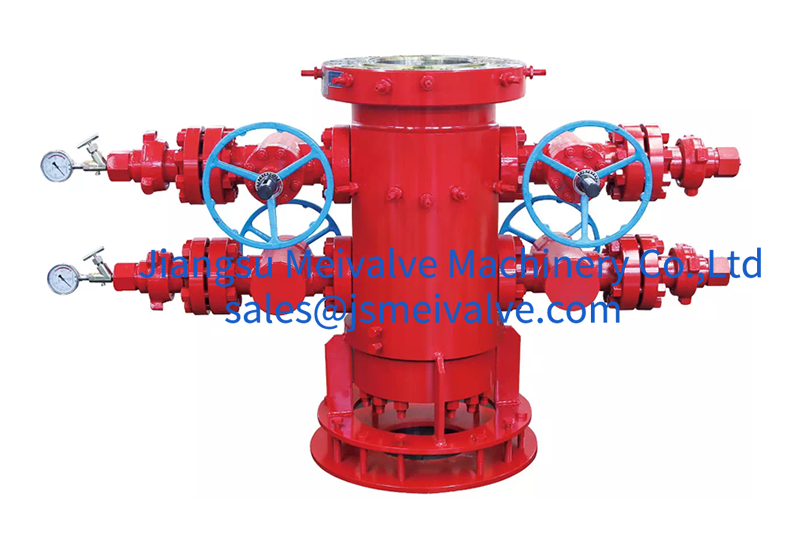
Wellhead casing heads play a vital role in well integrity by providing a secure and stable structure for the production casing. They are designed to withstand high pressures and temperatures while managing the flow of hydrocarbons. Inspections are necessary to ensure that the casing head and its associated components are functioning correctly and are not compromised by external factors.
Why Are Regular Inspections Important?
Regular inspections of wellhead casing heads are essential for several reasons:
1. Enhanced Safety Measures
Safety is paramount in the oil and gas industry. Regular inspections help identify potential hazards and prevent catastrophic failures. By ensuring that wellhead casing heads are functioning correctly, operators can minimize the risk of blowouts, leaks, and other hazardous events.
2. Equipment Longevity and Performance
Routine inspections can significantly extend the life of wellhead casing heads and associated equipment. Identifying wear and tear early allows for timely repairs or replacements, preventing sudden breakdowns that can lead to extended downtimes and costly repairs.
3. Compliance with Regulatory Standards
The oil and gas industry is subject to stringent regulations regarding equipment maintenance and safety. Regular inspections of wellhead casing heads help ensure compliance with industry standards, reducing the risk of penalties and enhancing corporate reputation.
Best Practices for Inspecting Wellhead Casing Heads
To ensure thorough and effective inspections, follow these best practices:
1. Develop a Comprehensive Inspection Schedule
Creating a detailed inspection schedule based on operational needs and environmental conditions is vital. This schedule should outline frequency, responsible personnel, and specific components to inspect.
2. Utilize Advanced Inspection Technologies
Employing advanced inspection technologies, such as ultrasonic testing, magnetic particle inspection, and visual inspections using drones, can enhance the effectiveness of the inspection process. These technologies can quickly identify defects that may not be visible to the naked eye.
3. Train Personnel Effectively
Ensuring that personnel are adequately trained in inspection techniques and safety protocols is essential. Regular training sessions can keep staff updated on the latest best practices and technologies.
4. Document Findings and Actions Taken
Keeping detailed records of inspections, findings, and actions taken is crucial for tracking equipment health and ensuring compliance with regulations. This documentation can also serve as a valuable resource for future inspections.
Common Issues Found During Inspections
Several issues may be identified during regular inspections of wellhead casing heads:
1. Corrosion
Corrosion can significantly weaken wellhead casings and lead to catastrophic failures. Regular inspections can help identify early signs of corrosion, allowing for timely intervention.
2. Mechanical Damage
Mechanical damage caused by equipment malfunctions or external impacts can compromise the integrity of the wellhead casing head. Inspecting for physical damage is crucial in ensuring safe operations.
3. Seal Integrity Problems
The seals around wellhead casing heads are integral for maintaining pressure and preventing leaks. Regular inspections should include checks for seal integrity, ensuring they are secure and functioning as intended.
The Role of Technology in Wellhead Inspections
Technological advancements have transformed the inspection processes in the oil and gas industry. The integration of data analytics, IoT devices, and AI can provide real-time data, enhancing decision-making and predictive maintenance strategies.
The Impact of Data Analytics
Data analytics can provide insights into trends and patterns that may indicate potential issues with wellhead casing heads. By analyzing historical inspection data, operators can predict when equipment will require maintenance, minimizing unplanned downtimes.
IoT Devices and Remote Monitoring
The implementation of IoT devices allows for continuous monitoring of wellhead conditions. This capability enables operators to receive immediate alerts regarding performance anomalies, facilitating prompt corrective actions.
Cost Considerations for Regular Inspections
While there are costs associated with regular inspections, the long-term benefits significantly outweigh these expenses. Below are several factors to consider:
1. Direct Costs of Inspections
Regular inspections will incur direct costs, including labor, equipment, and technology use. However, investing in routine inspections can prevent more significant expenses related to equipment failure or regulatory penalties.
2. Long-Term Savings through Preventative Maintenance
By identifying and addressing issues early, operators can avoid costly repairs and extend the life of wellhead casing heads. This preventative approach ultimately results in substantial cost savings over time.
3. Risk Mitigation and Insurance Benefits
Regular inspections can reduce risk exposure, which may positively impact insurance premiums. By demonstrating a commitment to safety and compliance, companies may also benefit from lower premiums or better coverage options.
Conclusion
Regular inspections of wellhead casing heads are essential for ensuring safety, compliance, and equipment longevity. By adhering to best practices, utilizing advanced technologies, and maintaining thorough documentation, operators can significantly enhance operational efficiency and minimize risks. Embracing a proactive approach to wellhead casing head inspections ultimately fosters a safer and more productive environment in the oil and gas industry.
FAQs
1. How often should wellhead casing heads be inspected?
Inspections should be conducted regularly, with the frequency depending on operational conditions, regulatory requirements, and manufacturer recommendations.
2. What are the primary tools used for inspecting wellhead casing heads?
Common tools include ultrasonic testing devices, visual inspection equipment, and drone technology for remote monitoring.
3. Can corrosion be repaired, or does it require complete replacement?
Minor corrosion may be repairable, but significant corrosion often necessitates replacement of the affected components to maintain safety and integrity.
4. Are there specific regulations governing wellhead casing head inspections?
Yes, various regulatory bodies enforce standards that govern equipment inspections, including the Occupational Safety and Health Administration (OSHA) and the Environmental Protection Agency (EPA).
5. What should be included in the inspection report?
An inspection report should include findings, details of any repairs made, photographs of inspected areas, and recommendations for future inspections or maintenance actions.
Hot Tags:
PREVIOUS:


Contact Us
E-mail:
sales@jsmeivalve.com
Phone:
+86-15900826755
Address:
No. 888 Jiatong Road, Jianhu County Economic Development Zone, Yancheng City, Jiangsu Province



中企跨境-全域组件
制作前进入CSS配置样式
WhatsApp:
邮箱:
电话:
屏蔽页面上图片的alt/title提示
图片alt标题设置: MeiValve Machinery
CSS / JS 文件放置地