Why Surface Controlled Subsurface Valves Are Essential for Safety in Industrial Equipment
Apr 18,2026

Why Surface Controlled Subsurface Valves Are Essential for Safety in Industrial Equipment
Industrial processes rely heavily on specialized equipment to maintain operational efficiency and safety. Among the vital components that contribute to this safety are surface-controlled subsurface valves. These valves play an essential role in various applications, ensuring that systems remain compliant with safety regulations and operate without failure. In this article, we will delve deep into why surface-controlled subsurface valves are indispensable for safety in industrial equipment, covering their operation, benefits, and importance in maintaining optimal safety standards.
Understanding Surface Controlled Subsurface Valves
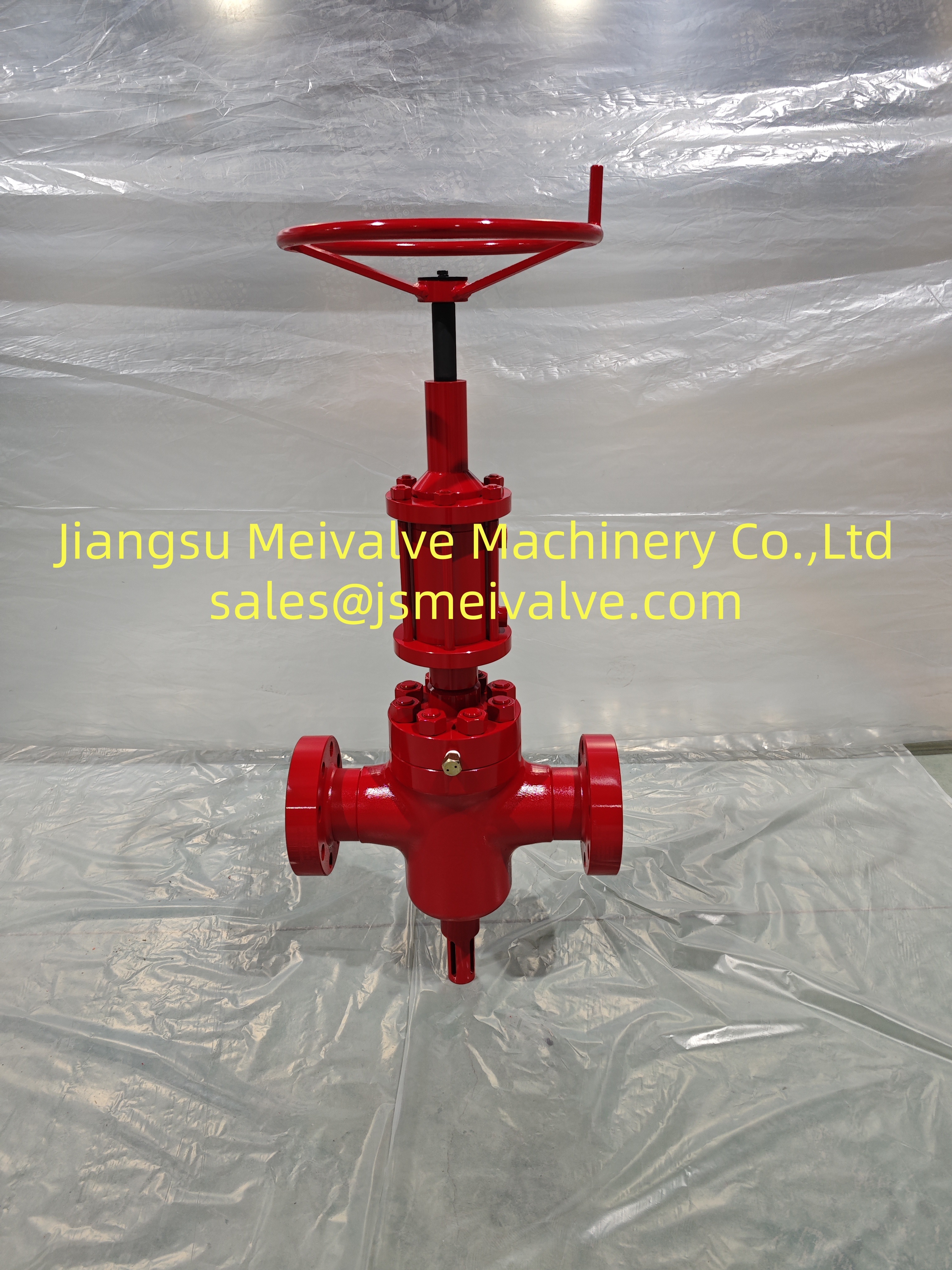
Surface-controlled subsurface valves (SCSV) are a type of valve commonly used in oil and gas applications, particularly in well completion and production processes. These valves are designed to be installed below the surface of the ground, allowing for the control of fluid flow from the well without requiring direct access to the surface. The operation of these valves is governed by pressure changes within the system, making them ideal for maintaining safety and efficiency in high-pressure environments.
How Do Surface Controlled Subsurface Valves Work?
Surface-controlled subsurface valves utilize hydraulic pressure to control their opening and closing mechanisms. When the pressure at the surface reaches a predetermined threshold, it activates the valve, allowing fluid to flow through the system. Conversely, when the pressure decreases or reaches a critical safety limit, the valve automatically closes, preventing any unwanted fluid leakage or system failure. This automatic operation is crucial in maintaining control over the well and ensuring the safety of both personnel and equipment.
Components of Surface Controlled Subsurface Valves
Understanding the critical components of surface-controlled subsurface valves can provide insight into their functionality. Key components include:
1. **Valve Body**: This is the primary structure that houses the internal mechanisms of the valve.
2. **Actuator**: This component responds to surface pressure changes to open or close the valve.
3. **Seal**: A vital part that ensures a tight closure, preventing leaks and environmental contamination.
4. **Control Line**: A hydraulic line that transmits pressure signals from the surface to the valve.
By carefully engineering these components, manufacturers ensure that surface-controlled subsurface valves can withstand the demanding conditions of industrial environments.
Key Benefits of Surface Controlled Subsurface Valves
Surface-controlled subsurface valves offer numerous advantages, making them a standard choice in various industrial applications. Here are the key benefits:
Enhanced Safety
Safety is the foremost concern in any industrial operation. Surface-controlled subsurface valves mitigate risks by providing automatic closure mechanisms. In case of pressure drops or emergencies, these valves ensure that the well is sealed, preventing leaks that could lead to catastrophic events.
Improved Operational Efficiency
By controlling the flow of fluids, these valves allow for optimized production processes. They help maintain consistent pressure levels within the system, which is vital for efficient operations. This leads to reduced downtimes and improved productivity.
Compliance with Regulatory Standards
Industries are subjected to strict safety regulations. Surface-controlled subsurface valves help organizations comply with these regulations by providing reliable safety mechanisms. By installing these valves, companies can demonstrate their commitment to safety and environmental protection.
Cost-Effectiveness
While the initial investment in surface-controlled subsurface valves may be significant, the long-term savings realized through enhanced safety and efficiency outweigh the costs. Fewer leaks and system failures result in decreased maintenance expenses and improved profitability.
The Role of Surface Controlled Subsurface Valves in Preventing Equipment Failure
Equipment failure in industrial settings can lead to severe consequences, including financial losses, safety hazards, and environmental damage. Surface-controlled subsurface valves play a critical role in preventing such failures.
Leak Prevention
One of the most significant concerns in industrial operations is the risk of leaks. Surface-controlled subsurface valves provide a fail-safe mechanism that prevents fluid from escaping the system. By automatically closing in response to pressure changes, these valves eliminate the risk of unwanted discharges that could endanger workers and the environment.
Pressure Regulation
Maintaining optimal pressure levels is essential for equipment longevity. Surface-controlled subsurface valves help regulate pressure fluctuations, ensuring that the equipment operates within its designed parameters. This not only extends the lifespan of the equipment but also enhances overall system reliability.
Automatic Functionality
The automated functionality of surface-controlled subsurface valves means that they can respond quickly to changing conditions. This responsiveness is vital in emergency situations, where quick action can prevent accidents and mitigate risks.
Applications of Surface Controlled Subsurface Valves in Industrial Equipment
Surface-controlled subsurface valves are used across various industries, including:
Oil and Gas Industry
In the oil and gas industry, surface-controlled subsurface valves are crucial for well completion and production. They control the flow of oil and gas while ensuring safety in high-pressure environments.
Water Management Systems
These valves are also employed in water management systems to control the flow of water in pipelines and prevent contamination from backflow scenarios.
Chemical Processing
In chemical processing, where hazardous materials are often handled, surface-controlled subsurface valves help maintain safety by controlling the flow of chemicals and preventing leaks.
Choosing the Right Surface Controlled Subsurface Valve
Selecting the right surface-controlled subsurface valve is essential for ensuring safety and efficiency in operations. Here are some factors to consider:
Material Compatibility
Ensure the valve material is compatible with the fluids it will handle to avoid corrosion or degradation.
Pressure Ratings
Select a valve that can withstand the maximum pressure of your application to ensure reliability and safety.
Installation Requirements
Consider the installation space and requirements, as some valves may need specific configurations.
Maintenance and Inspection of Surface Controlled Subsurface Valves
Regular maintenance and inspection are vital for the longevity and performance of surface-controlled subsurface valves.
Scheduled Inspections
Conduct routine inspections to identify any wear and tear or potential failures. Early detection can prevent significant issues down the line.
Testing Mechanisms
Regularly test the valve's actuation mechanisms to ensure they function properly. This includes checking hydraulic pressure lines and actuator performance.
Cleaning and Lubrication
Keep the valve clean and well-lubricated to prevent sticking and ensure smooth operation.
FAQs
What Are Surface Controlled Subsurface Valves Used For?
Surface-controlled subsurface valves are primarily used in the oil and gas industry to control the flow of fluids from wells. They are also used in water management and chemical processing applications.
How Do Surface Controlled Subsurface Valves Enhance Safety?
These valves enhance safety by automatically closing in response to pressure changes, preventing leaks and ensuring containment of hazardous materials.
What Maintenance Is Required for Surface Controlled Subsurface Valves?
Routine inspections, testing mechanisms, and cleaning are essential for maintaining the functionality and safety of surface-controlled subsurface valves.
Are There Different Types of Surface Controlled Subsurface Valves?
Yes, there are various types of surface-controlled subsurface valves designed for different applications and pressures, including ball valves and check valves.
How Can I Ensure I Choose the Right Valve for My Application?
Consider factors such as material compatibility, pressure ratings, and installation requirements when selecting a surface-controlled subsurface valve. Consulting with experts in the field can also provide valuable insights.
Conclusion
Surface-controlled subsurface valves are critical components of industrial equipment, playing an essential role in maintaining safety and efficiency in operations. Their ability to prevent leaks, regulate pressure, and provide automatic functionality makes them indispensable in various applications, particularly in the oil and gas industry. Regular maintenance and proper selection of these valves will enhance their effectiveness, ensuring compliance with safety regulations and protecting both personnel and equipment. By investing in high-quality surface-controlled subsurface valves, organizations can significantly reduce risks and foster a safer working environment.
Hot Tags:
PREVIOUS:
Contact Us
E-mail:
sales@jsmeivalve.com
Phone:
+86-15900826755
Address:
No. 888 Jiatong Road, Jianhu County Economic Development Zone, Yancheng City, Jiangsu Province



中企跨境-全域组件
制作前进入CSS配置样式
WhatsApp:
邮箱:
电话:
屏蔽页面上图片的alt/title提示
图片alt标题设置: MeiValve Machinery
CSS / JS 文件放置地