Exploring Surface Controlled Subsurface Valves: A Key Component in Industrial Equipment
Sep 18,2026
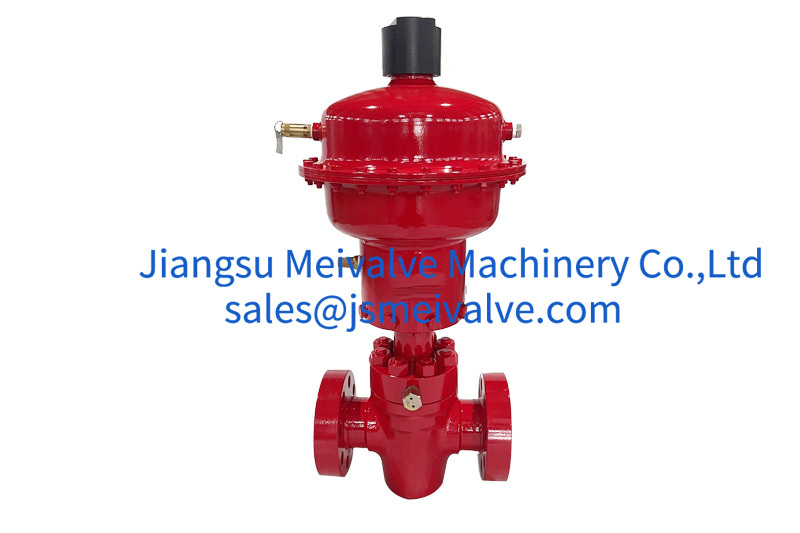
When it comes to industrial applications, particularly in the realm of valves, the Surface Controlled Subsurface Valve (SCSV) plays a crucial role. These valves are designed to regulate the flow of fluids or gases beneath the surface, and they are often employed in oil and gas extraction processes, particularly in well completions and production systems. Understanding their operation and benefits can aid professionals in selecting the right solutions for their specific needs.
Surface Controlled Subsurface Valves operate by being controlled from the surface through various mechanisms, such as hydraulic or electric signals. This capability allows for remote operation, providing flexibility and safety to operations that may be challenging to access physically. The SCSV’s design enables it to respond to changes in pressure and flow, ensuring optimal performance and efficiency.
One of the primary advantages of using Surface Controlled Subsurface Valves is their ability to enhance well productivity. By controlling the flow of hydrocarbons, they can effectively manage reservoir pressures, prevent unwanted gas or water influx, and maximize oil recovery. This is particularly important when dealing with complex geological formations where precise control can make a significant difference in overall yield.
Another key benefit of SCSVs is their contribution to safety. In high-pressure environments, the ability to control flow from the surface reduces the risk associated with manual interventions. Should any issues arise, operators can quickly close these valves to mitigate potential hazards, safeguarding both personnel and equipment.
Additionally, the implementation of Surface Controlled Subsurface Valves can lead to cost savings over time. By optimizing production processes and minimizing downtime related to maintenance or emergency interventions, businesses can achieve a more efficient operation.
However, it’s essential to consider several factors when integrating Surface Controlled Subsurface Valves into your system. Proper selection based on the specific application, including temperature, pressure ratings, and fluid characteristics, is critical to ensure reliable operation. Regular maintenance and inspection are also necessary to maintain their functionality and prolong their lifespan.
In summary, Surface Controlled Subsurface Valves are indispensable in the industrial valve sector, particularly for applications requiring precise control and safety. Understanding their functionality and advantages can empower professionals to make informed decisions, ultimately leading to enhanced operational efficiency and safety in their respective fields.
Hot Tags:


Contact Us
E-mail:
sales@jsmeivalve.com
Phone:
+86-15900826755
Address:
No. 888 Jiatong Road, Jianhu County Economic Development Zone, Yancheng City, Jiangsu Province



中企跨境-全域组件
制作前进入CSS配置样式
WhatsApp:
邮箱:
电话:
屏蔽页面上图片的alt/title提示
图片alt标题设置: MeiValve Machinery
CSS / JS 文件放置地