
The Future of Industrial Operations: FC Type Hydraulic Gate Valves Explained
Sep 23,2026
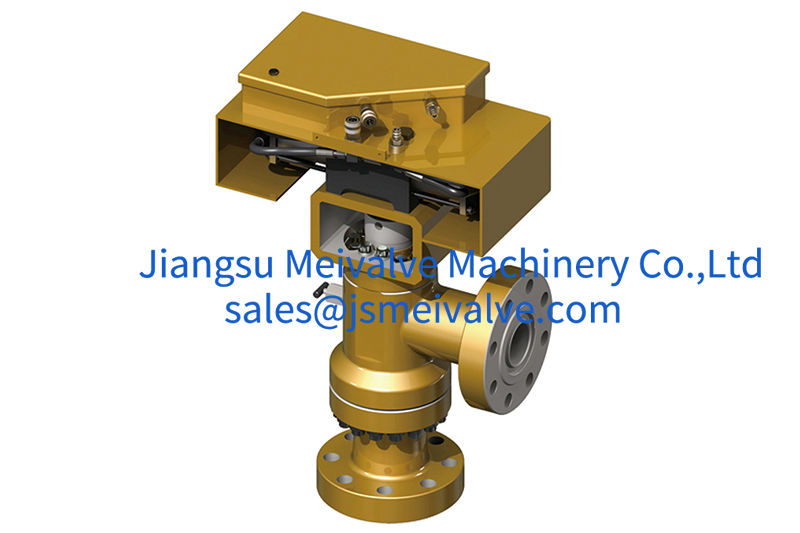
The Future of Industrial Operations: FC Type Hydraulic Gate Valves Explained
Table of Contents
- 1. Introduction to FC Type Hydraulic Gate Valves
- 2. Understanding Hydraulic Gate Valves
- 3. Mechanism of FC Type Hydraulic Gate Valves
- 4. Advantages of FC Type Hydraulic Gate Valves
- 5. Applications in Industrial Operations
- 6. Maintenance and Reliability of FC Type Hydraulic Gate Valves
- 7. Future Trends in Hydraulic Gate Valves
- 8. Conclusion
- 9. FAQs
1. Introduction to FC Type Hydraulic Gate Valves
The advent of advanced technologies has transformed industrial operations, leading to unparalleled efficiency and productivity. Among the critical components that support this evolution are **FC Type Hydraulic Gate Valves**. These valves play a significant role in fluid control systems, enabling precise management of fluid flow in various applications. As industries seek solutions that enhance operational efficiency, understanding the ins and outs of FC Type Hydraulic Gate Valves becomes increasingly essential.
2. Understanding Hydraulic Gate Valves
Hydraulic gate valves are designed for use in high-pressure and high-flow applications, providing a robust solution for controlling fluid flow. Unlike other valve types, gate valves offer minimal flow resistance when fully open, making them ideal for applications where a straight-line flow of fluid is desired.
**Key Features of Hydraulic Gate Valves:**
- **Design**: These valves typically feature a wedge-shaped gate that moves up and down within the valve body to control fluid flow.
- **Operation**: The operation can be manual or automated, depending on the application requirements.
- **Material Composition**: Constructed from durable materials, hydraulic gate valves can withstand harsh operating conditions, ensuring longevity and reliability.
3. Mechanism of FC Type Hydraulic Gate Valves
FC Type Hydraulic Gate Valves operate using a sophisticated mechanism designed to facilitate smooth and efficient operation. The core components include:
3.1 The Wedge Design
The wedge design is a hallmark of gate valves, where the gate's angle allows it to seal effectively against the valve's seat. This configuration minimizes leakage, a crucial factor in maintaining operational integrity.
3.2 Hydraulic Actuation
Hydraulic actuation mechanisms utilize hydraulic power to open and close the valve. This is particularly advantageous in applications requiring frequent operation or where manual actuation is impractical. The hydraulic system provides precise control over the valve's position, enhancing responsiveness.
3.3 Sealing Mechanism
An effective sealing mechanism is crucial for preventing leaks during operation. FC Type Hydraulic Gate Valves typically utilize resilient materials that provide an airtight seal, ensuring fluid containment even under varying pressure conditions.
4. Advantages of FC Type Hydraulic Gate Valves
The integration of FC Type Hydraulic Gate Valves into industrial operations offers numerous benefits:
4.1 High Flow Capacity
These valves are designed to minimize flow resistance, allowing for higher flow rates compared to other valve types. This characteristic is essential in industries where fluid dynamics are critical.
4.2 Durability and Longevity
Constructed from high-quality materials, FC Type Hydraulic Gate Valves can withstand extreme conditions, including high pressures and corrosive environments. This durability translates into lower maintenance costs and extended operational lifespans.
4.3 Reduced Maintenance Needs
With fewer moving parts and robust construction, these valves require less maintenance compared to their counterparts. This reliability leads to reduced downtime and increased productivity.
4.4 Versatility in Applications
FC Type Hydraulic Gate Valves are suitable for various applications, from water treatment facilities to chemical processing plants, making them a versatile choice for many industries.
5. Applications in Industrial Operations
FC Type Hydraulic Gate Valves find applications across multiple sectors due to their unique features and advantages:
5.1 Water and Wastewater Management
In water treatment facilities, these valves control the flow of water through treatment processes, ensuring efficient operation and compliance with environmental standards.
5.2 Oil and Gas Industry
In the oil and gas sector, FC Type Hydraulic Gate Valves manage the flow of crude oil and natural gas, maintaining safety and efficiency in high-pressure environments.
5.3 Chemical Processing
These valves are critical in chemical processing plants, controlling the flow of corrosive fluids and ensuring safe processing conditions.
5.4 Power Generation
In power generation facilities, FC Type Hydraulic Gate Valves regulate the flow of cooling water and steam, playing a vital role in maintaining operational efficiency.
6. Maintenance and Reliability of FC Type Hydraulic Gate Valves
Ensuring the long-term reliability of FC Type Hydraulic Gate Valves involves regular maintenance and monitoring:
6.1 Routine Inspections
Conducting routine inspections helps identify potential issues before they escalate. Operators should check for leaks, wear, and operational efficiency.
6.2 Lubrication and Cleaning
Regular lubrication of moving parts and cleaning of valve components are essential to maintain optimal performance and prevent operational failures.
6.3 Replacement of Worn Parts
Over time, components such as seals and packing may wear out. Timely replacement of these parts can prevent leaks and ensure continued reliability.
7. Future Trends in Hydraulic Gate Valves
As industries evolve, the design and functionality of hydraulic gate valves are also advancing:
7.1 Smart Valves and Automation
The future of hydraulic gate valves lies in smart technology and automation. Integration with IoT devices allows for real-time monitoring and data collection, enhancing operational efficiency.
7.2 Eco-Friendly Materials
As sustainability becomes a priority, manufacturers are exploring eco-friendly materials for valve construction, reducing environmental impact while maintaining performance standards.
7.3 Enhanced Safety Features
Future developments in hydraulic gate valves will likely focus on improving safety features to prevent accidents and ensure compliance with industry regulations.
8. Conclusion
FC Type Hydraulic Gate Valves are pivotal in shaping the future of industrial operations. Their unique combination of high flow capacity, durability, and versatility makes them an essential component across various sectors. As technology advances, the potential for enhanced functionality and efficiency continues to grow. Embracing these innovations is crucial for industries aiming to remain competitive and sustainable in an ever-evolving landscape.
9. FAQs
Q1: What is the primary function of FC Type Hydraulic Gate Valves?
A1: The primary function is to control the flow of fluids in industrial applications, providing reliable and precise regulation.
Q2: How do FC Type Hydraulic Gate Valves differ from other valve types?
A2: They offer lower flow resistance and are designed for high-pressure applications, making them suitable for demanding industrial environments.
Q3: What maintenance is required for FC Type Hydraulic Gate Valves?
A3: Regular inspections, lubrication, and timely replacement of worn parts are essential for maintaining their reliability and performance.
Q4: In which industries are FC Type Hydraulic Gate Valves commonly used?
A4: They are commonly used in water management, oil and gas, chemical processing, and power generation industries.
Q5: What trends are shaping the future of hydraulic gate valves?
A5: Trends include the integration of smart technology, the use of eco-friendly materials, and the enhancement of safety features.
Hot Tags:
PREVIOUS:


Contact Us
E-mail:
sales@jsmeivalve.com
Phone:
+86-15900826755
Address:
No. 888 Jiatong Road, Jianhu County Economic Development Zone, Yancheng City, Jiangsu Province



中企跨境-全域组件
制作前进入CSS配置样式
WhatsApp:
邮箱:
电话:
屏蔽页面上图片的alt/title提示
图片alt标题设置: MeiValve Machinery
CSS / JS 文件放置地